NEWS

Home / News / Industry News / 8 Mistakes to Avoid When Choosing Fuel Injector Lines

8 Mistakes to Avoid When Choosing Fuel Injector Lines


The Short Answer: Eight Mistakes That Compromise a Fuel Injector Line

A failed or leaking high pressure line rarely happens without warning. In most cases the root cause traces back to one of eight recurring mistakes made at the buying stage: ignoring pressure rating and material grade, choosing the wrong wall thickness for the fuel system type, overlooking bending geometry and fitment accuracy, selecting the wrong connector or fitting type, ignoring corrosion resistance for the operating environment, underestimating fatigue life under pressure pulsation, skipping proper inspection before installation, and not verifying a manufacturer's quality control and custom production capability. Getting these eight points right before ordering a fuel injector line is what separates a component that lasts the life of the engine from one that fails within the first service interval.

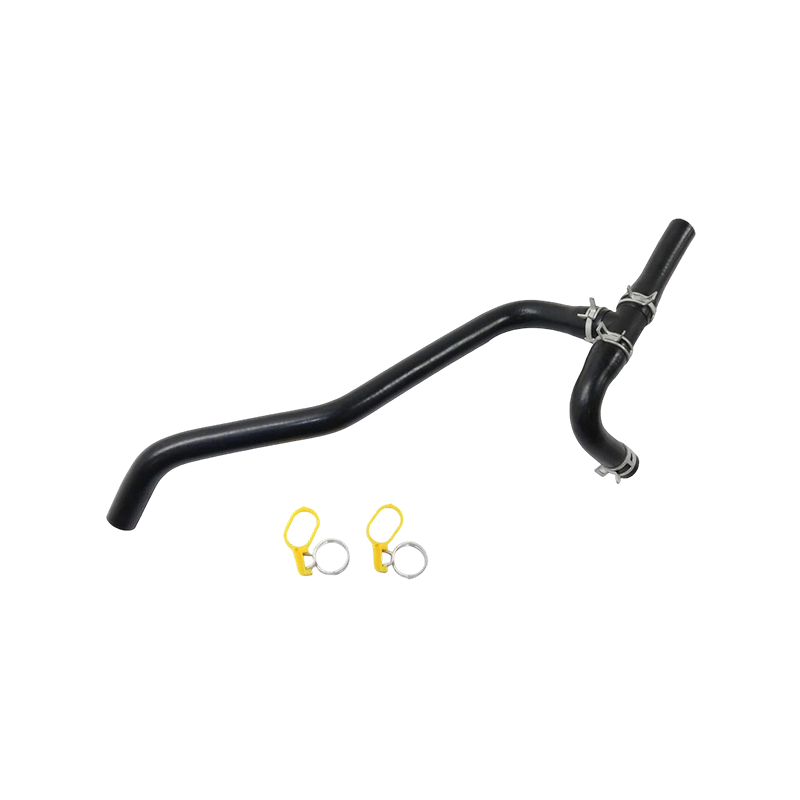
Fuel injector lines are sometimes grouped under broader terms such as fuel lines, general fuel line car components, or automotive gas line hardware, though a high pressure fuel injector pipe plays a distinct role compared with a lower pressure fuel return line or the general fuel lines and hoses that carry fuel from the tank to the engine bay. Buyers researching fuel lines under car assemblies sometimes assume every line in the system shares the same pressure rating, which is not the case, and that assumption alone is behind a large share of avoidable failures.

Mistake What Goes Wrong Practical Fix
1. Ignoring pressure rating and material grade Pipe cannot handle common rail pressure pulses Match steel grade to the system's rated pressure
2. Wrong wall thickness Thin walls crack, thick walls resist flexing needed for routing Size wall thickness to the pressure class
3. Overlooking bending geometry Pipe does not align with injector and rail ports Confirm CNC bend specification against engine layout
4. Wrong connector or fitting type Seal leaks under vibration or heat cycling Match fitting type to sealing and vibration needs
5. Ignoring corrosion resistance External corrosion weakens the pipe over time Choose coating or steel grade suited to the environment
6. Underestimating fatigue life Repeated pressure pulses cause hairline cracking Check fatigue and burst pressure data before ordering
7. Skipping inspection before installation Existing damage goes unnoticed until a leak appears Run a short visual and pressure check before fitting
8. Skipping manufacturer verification No support for custom lengths or bend patterns Confirm OEM and custom production capability upfront
Table 1: Eight mistakes to avoid when choosing fuel injector lines

 Mistake 1: Ignoring Pressure Rating and Material Grade

A high pressure fuel injector pipe connects the fuel pump or common rail to each injector, and its main job is to move fuel at extreme pressure without deforming, splitting, or fatiguing over time. Modern diesel common rail systems routinely operate above 200 MPa, and choosing a pipe grade that was never designed for that pressure range is one of the most damaging mistakes a buyer can make.

How pipe material choice affects pressure capability

Not every steel tube is built the same way. Standard carbon steel tubing, general purpose stainless steel tubing, and purpose engineered low alloy steel that has gone through cold working and autofrettage each carry a different burst pressure capability.

Typical Burst Pressure by Pipe Material (MPa) Standard carbon steel 550 General stainless steel 700 Cold worked low alloy steel 850 Autofrettage low alloy steel 1050

The autofrettage process, where the pipe is subjected to controlled internal pressure that creates residual compressive stress on the inner wall, is what pushes burst pressure well beyond what a standard cold drawn tube can handle. This residual stress works against the tensile stress created by fuel operating pressure, which is the main reason purpose built Fuel Injector Pipe stock consistently outperforms generic tubing under the same pressure conditions.

  Mistake 2: Choosing the Wrong Wall Thickness for the System Type

Wall thickness needs to match the pressure class of the fuel system, not just the outer diameter of the port it connects to. A wall built for a mid pressure conventional diesel system will not hold up on a high pressure common rail application, while an overly thick wall on a lower pressure system adds unnecessary stiffness that makes routing and vibration absorption harder.

Typical Wall Thickness by Pressure Class (mm) 2.0 Mid pressure diesel 3.0 180 MPa common rail 3.5 220 MPa common rail 4.2 250 MPa and above

Buyers ordering replacement lines sometimes focus on outer diameter alone since it needs to match the original fitting, while overlooking that wall thickness is what actually determines pressure capability. Confirming both dimensions against the original specification, rather than outer diameter only, prevents a mismatch that would otherwise not surface until the system is under load.

  Mistake 3: Overlooking Bending Geometry and Fitment Accuracy

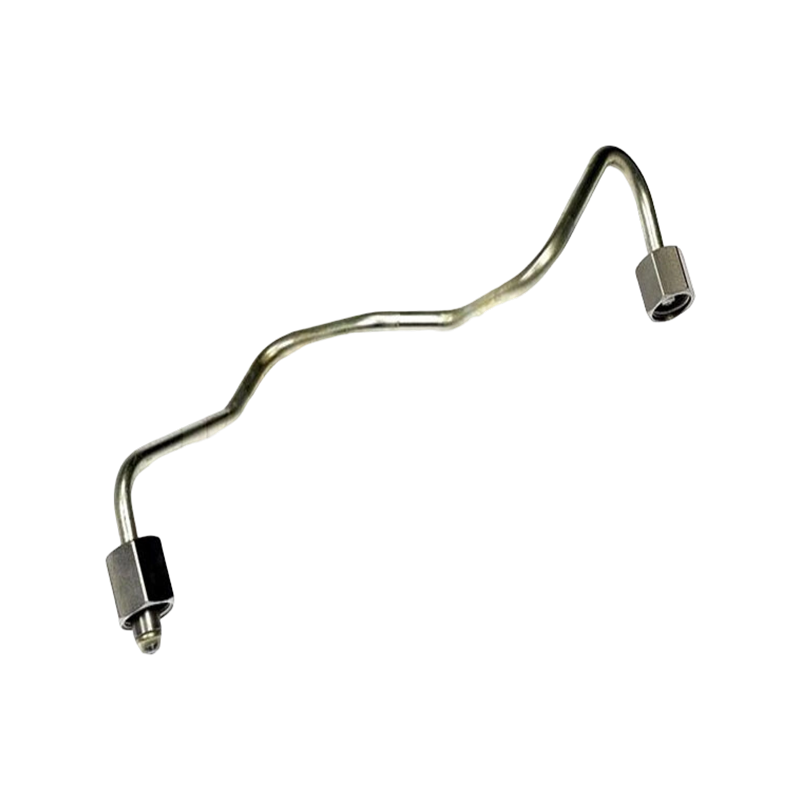
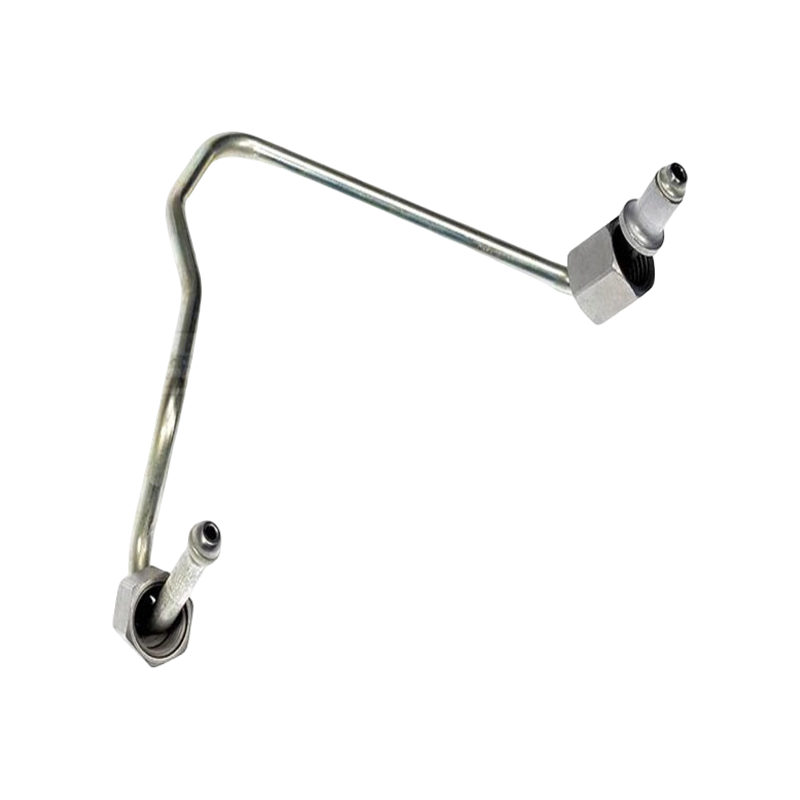
A fuel injector pipe rarely runs in a straight line. It follows a precise three dimensional path from the rail to each injector, shaped around other engine components, and even a small deviation in bend angle or length can put stress on the fitting or prevent the pipe from seating correctly.

Why CNC bending accuracy matters

Pipes formed on advanced CNC tube bending equipment are built to match the engine's designed routing precisely, since the geometry needs to align with both the rail outlet and the injector inlet without forcing the connection. Reviewing a car fuel line diagram or the original equipment drawing before ordering a replacement helps confirm that bend angles, overall length, and end fitting orientation all match, rather than relying on outer diameter and thread size alone.

  • Confirm the number of bends and their angles against the original pipe or a factory diagram
  • Check overall length end to end, including any straight sections near the fittings
  • Verify fitting orientation, since a rotated end connection can still look correct while misaligning the seal
  • Ask whether the supplier can produce a matching bend pattern rather than only straight stock pipe

  Mistake 4: Selecting the Wrong Connector or Fitting Type

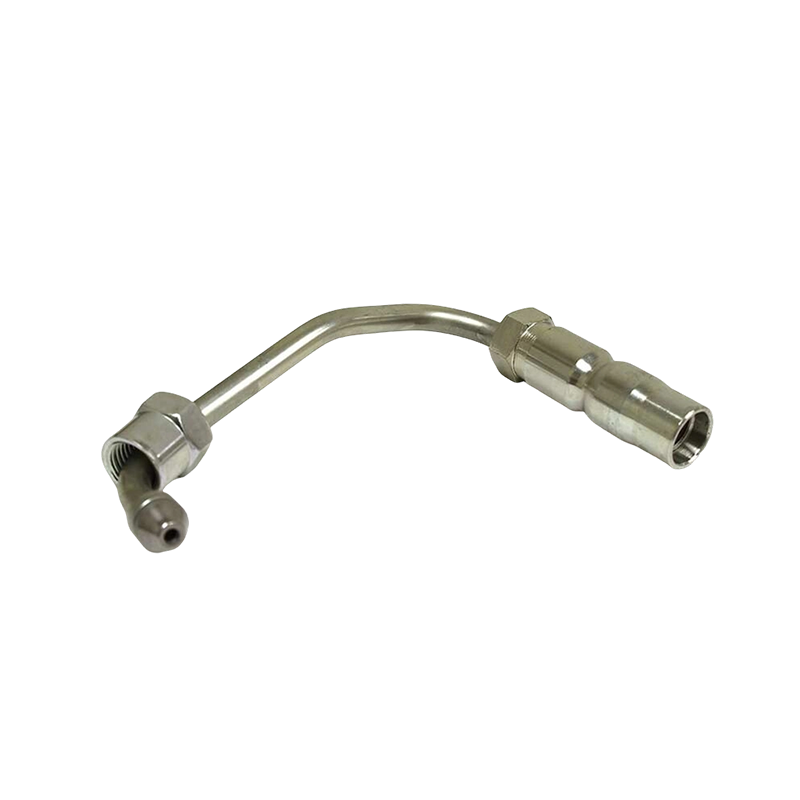
The fitting at each end of the line is often where a leak actually starts, even when the pipe body itself is in good condition. Banjo fittings, flare and compression style fittings, and threaded connections each behave differently under vibration, thermal cycling, and repeated disassembly, and picking the wrong one for the application is a common source of comeback repairs among general automotive fittings and dedicated fuel line connector types alike.

Sealing Reliability Vibration Resistance Installation Ease Reusability Leak Resistance

Banjo fitting   Flare or compression fitting

Fitting Type Typical Use Best Suited For
Banjo fitting Injector inlet connections with a crush washer seal High vibration engine mounting points
Flare or compression fitting Threaded metal to metal sealing surface Rail connections needing repeated removal
Threaded straight connection Direct pump or manifold ports Fixed low disturbance mounting locations
Table 2: Common fuel injector line fitting types and their typical use

  Mistake 5: Ignoring Corrosion Resistance for the Operating Environment

Fuel injector lines routed near the engine block face heat cycling, while fuel lines under car sections lower in the chassis are exposed to road spray, salt, and moisture on a regular basis. A pipe without adequate surface protection can develop external corrosion long before the internal pressure capability becomes a concern.

What to check for corrosion protection

  1. Whether the pipe has a protective coating suited to under-vehicle exposure
  2. Whether fittings and clamps are corrosion resistant, not only the pipe body itself
  3. Whether the routing keeps the line clear of standing water or debris collection points
  4. Whether the region's climate, such as heavy road salt use, calls for additional protection

Corrosion at a bend or near a fitting is particularly concerning, since that is also where mechanical stress from pressure pulsation is highest, and combined stress and surface degradation at the same point accelerates failure.

  Mistake 6: Underestimating Fatigue Life Under Pressure Pulsation

A fuel injector line does not experience one steady pressure, it experiences thousands of rapid pressure pulses per minute as each injection event fires. Over the life of an engine, that repeated cycling is what eventually causes fatigue cracking if the pipe was not engineered for it.

Representative Pressure Pulsation Over One Injection Cycle 0ms 1ms 2ms 3ms 4ms 5ms 6ms 20 MPa 200 MPa

This repeating spike pattern is why fatigue resistance, not just static burst pressure, is the more meaningful number for a component that will see millions of pulsation cycles over its working life. A line manufactured through cold working and autofrettage is specifically built to resist the crack initiation that this kind of repeated stress would otherwise cause at a standard cold drawn tube.

  Mistake 7: Skipping Proper Inspection Before Installation

Fitting a new or reused line without a short inspection first is a common shortcut that occasionally introduces a problem that was avoidable. A visible dent, a scratch near a bend, or a fitting surface that does not sit flush are all signs worth catching before the engine runs under pressure.

Inspection Point What to Look For Action if Found
Pipe body and bends Dents, scratches, or flattened sections Replace the affected line rather than reuse it
Fitting sealing surface Pitting, burrs, or an uneven seat Clean or replace before torquing the connection
Crush washers or seals Reused washers that look flattened or hardened Fit new washers rather than reusing old ones
Torque values Fittings tightened without a torque reference Torque to the specification for that fitting size
Table 3: Pre-installation inspection checklist for a fuel injector pipe

A quick pressure check after installation, run before the vehicle leaves the shop, is also a practical habit, since a slow seep at a fitting is far easier to catch on a test stand than after the vehicle has been back in regular use for a week.

  Mistake 8: Not Verifying Manufacturer Quality Control and Custom Capability

Not every fuel injector pipe need fits a catalog part number. Older vehicles, modified engines, and low volume production runs often call for a line built to a specific bend pattern or length that a standard parts shelf simply does not stock.

What to confirm before placing an order

  • Whether the supplier can produce an OEM fuel injector line matched exactly to a drawing or sample
  • Whether single piece and small batch orders are available alongside series production
  • Whether material certification data, such as burst pressure and fatigue test results, is available on request
  • Whether the manufacturer has in-house CNC bending and forming equipment rather than relying on subcontracted work

Buyers working on a fleet program or a repair business often find it worthwhile to build a relationship with a supplier that can support both stock parts and a custom fuel injector pipe run when a less common vehicle comes through the shop, rather than starting a new sourcing search every time an unusual specification appears.

About JIATIAN

High pressure fuel injection pipes connect the fuel pump or common rail to the injectors in each cylinder, and their role goes well beyond simple delivery. As a structural component built to withstand extreme pressure pulsation, the pipe needs to hold its shape and sealing performance for the full working life of the engine. JIATIAN produces this type of pipe from specially selected high strength, low alloy steel tubing, using heat treatment and cold working processes to reach the yield strength and fatigue resistance needed for diesel common rail systems operating above 200 MPa.

Production also relies on controlled internal pressure applied during forming, which creates residual compressive stress on the inner wall and works against the tensile stress generated during normal operation, extending fatigue life and burst pressure well beyond a standard tube. Advanced CNC tube bending equipment is used to shape each pipe so its three dimensional geometry matches the engine layout precisely, supporting accurate installation without forcing a connection. Beyond standard catalog parts, the company also produces customized runs, from single piece prototypes through full series production.

JIATIAN operates as a China Fuel Injector Line Manufacturer and Fuel Injector Pipe Factory based in Wanhou, Zhanqi Town, Yinzhou District, Ningbo City, a site with convenient access to regional transportation links. The company grew out of Ningbo Xingxin Metal Products Factory, established in 1995, and today operates across a 32,000 square meter site with 26,000 square meters of factory floor dedicated to automotive pipe fitting production. Equipment on site includes CNC fully automatic pipe bending machines, large scale brazing furnace assembly lines, hydraulic internal forming machines, a hydraulic water expansion machine, automatic laser welders, welding robots, and large scale machining centers, supported by an in-house research and testing laboratory.

As a working fuel injector pipe manufacturer and fuel injector pipe supplier, JIATIAN also supports wholesale fuel injector pipe orders for distributors and repair networks. For buyers researching a China fuel injector pipe manufacturer able to handle both standard and custom specifications, the company's combination of in-house forming, bending, and testing capability is intended to keep a single project moving from drawing to finished part without passing through multiple outside subcontractors.

Frequently Asked Questions

  • Q1: Why is my fuel injector line leaking
    A leak usually comes from a worn crush washer, a fitting that was not torqued to specification, or a hairline fatigue crack near a bend, so checking the sealing surface and washer condition is the first step before assuming the pipe itself has failed.
  • Q2: How to replace a fuel injector pipe
    Relieve system pressure, remove the old line and any reused washers, fit the replacement with new seals at each connection, and torque the fittings to the specification for that thread size before running a short pressure check.
  • Q3: How to inspect high pressure fuel pipes
    Look closely at bends and fitting surfaces for dents, scratches, or corrosion, check that crush washers are not flattened or hardened, and confirm fittings seat flush before the system is pressurized again.
  • Q4: How does a fuel injector pipe work
    It carries pressurized fuel from the pump or common rail directly to each injector, holding that pressure steady enough for the injector to atomize fuel accurately at the exact moment of each injection event.
  • Q5: What is a common rail fuel pipe
    It is the specific high pressure line connecting a shared fuel rail to each individual injector in a common rail diesel system, built to handle continuous high pressure and rapid pressure pulsation.
  • Q6: Why are fuel injector pipes made of steel
    Steel, particularly specially treated low alloy steel, offers the yield strength and fatigue resistance needed to survive continuous high pressure pulsation without cracking or deforming over the engine's working life.
  • Q7: What is the difference between a fuel injector line and a fuel return line
    A fuel injector line carries fuel under high pressure to the injectors, while a fuel return line carries excess low pressure fuel back to the tank, so the two components are built to very different pressure specifications.
  • Q8: Can fuel injector lines be custom made for a specific engine
    Yes, many manufacturers can produce a custom bend pattern, length, or fitting configuration based on a drawing or an original sample, which is common for older vehicles or modified engines that no longer match a standard catalog part.