NEWS

Home / News / Industry News / Fuel Injector Line & Pipe: Types, Uses, and Selection Guide

Fuel Injector Line & Pipe: Types, Uses, and Selection Guide


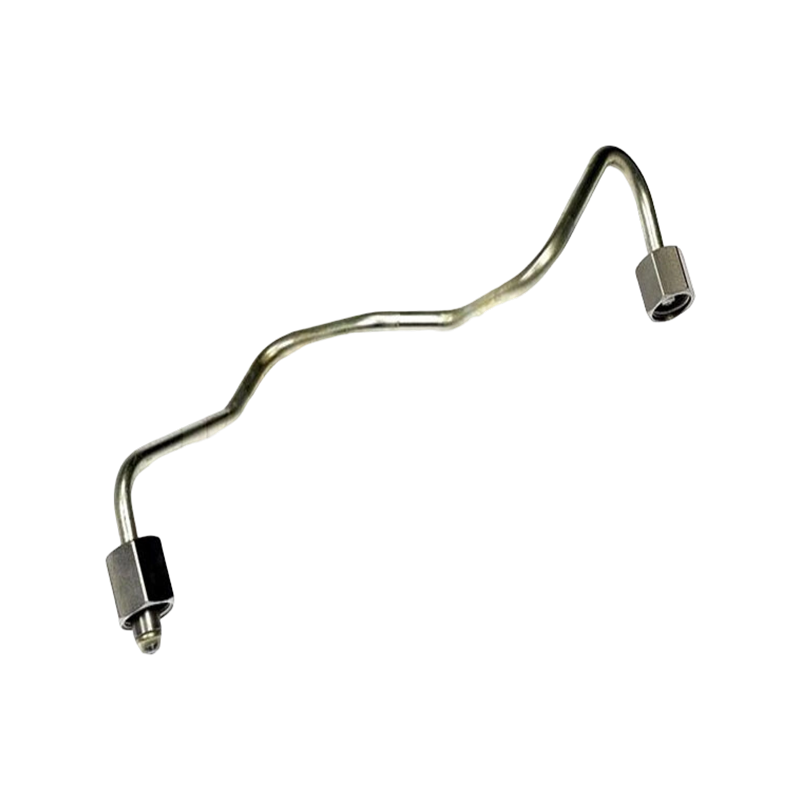
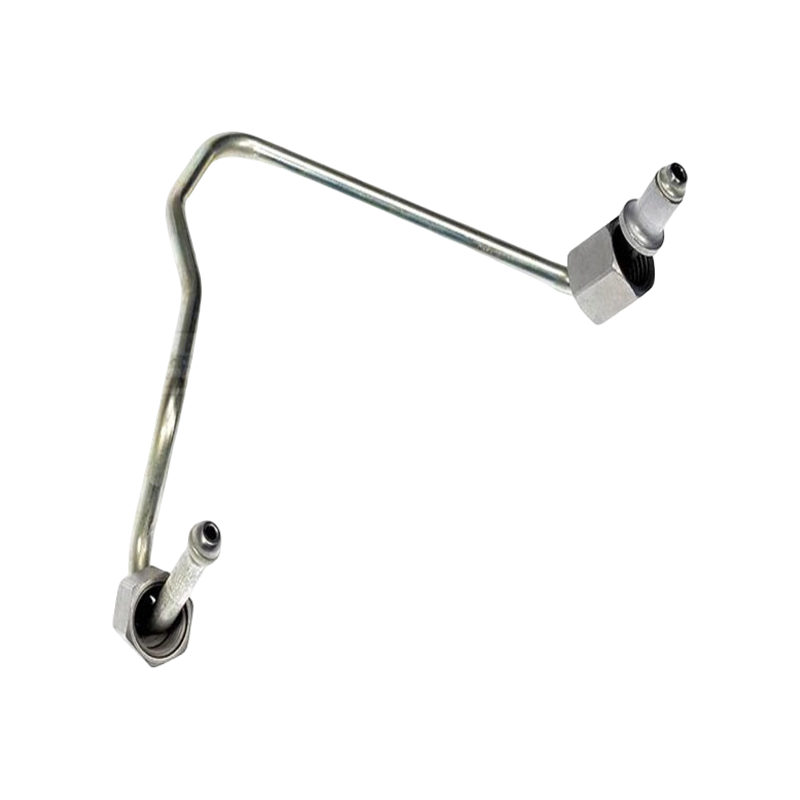
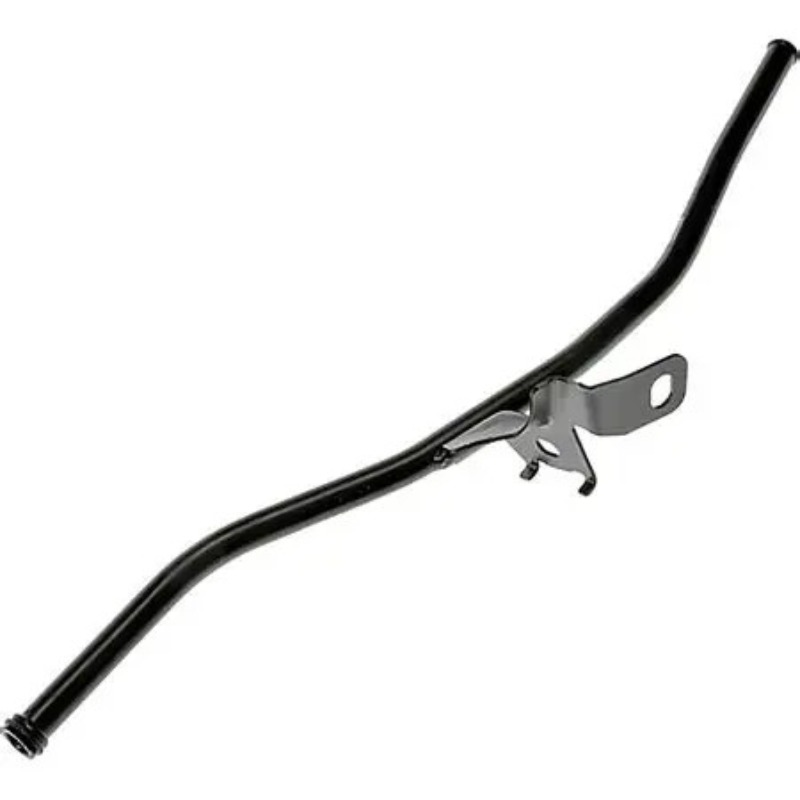
The correct fuel injector line is determined by three factors: material strength, wall thickness rated for system pressure, and precise geometric shape matching the engine layout. For diesel common rail systems, this typically means a cold-worked low-alloy steel pipe rated well above operating pressure, since the line must withstand repeated pressure pulsation cycles over the life of the engine rather than a single peak load.

This guide covers the types of fuel injector pipe construction, how high pressure fuel line differs from standard automotive fuel hose, connector and fitting types, and the practical steps for selecting and installing a replacement line.

What a Fuel Injector Line Does in the Fuel System

A fuel injector line is the rigid pipe that connects the high-pressure fuel pump or common rail to each fuel injector, delivering precisely metered fuel at the pressure and timing the engine control system demands. Unlike low-pressure fuel hoses, the injector line must maintain dimensional stability under pressure pulsation thousands of times per minute without expanding, since any flex in the line affects injection timing accuracy and combustion efficiency.

In modern diesel common rail systems, operating pressure can exceed 200 MPa, which places extreme demands on the injector pipe wall. The line is therefore considered a structural safety component rather than a simple delivery channel, and its specification directly affects atomization quality, emissions performance, and injector longevity.

High Pressure Fuel Line vs Standard Automotive Fuel Hose

A common point of confusion is the difference between a rigid injector pipe and a flexible automotive fuel line. Fuel injector lines are rigid, precision-formed steel pipes designed for fuel injection systems operating at very high pressure, while fuel hoses are flexible rubber or composite lines typically used in lower-pressure delivery applications such as the fuel tank to pump connection.

General comparison only, actual specifications vary by engine platform and manufacturer requirement
Characteristic Fuel Injector Line Standard Fuel Hose
Material Low-alloy steel tubing Rubber or composite
Flexibility Rigid, pre-formed shape Flexible
Pressure Role High pressure injection delivery Low pressure supply and return
Installation Fixed torque, exact alignment Clamped fitting

How Injection Pressure Has Increased Across Engine Generations

Fuel injection pressure has risen steadily as engine manufacturers pursue finer atomization and lower emissions. The line chart below illustrates the general trend in common rail operating pressure across diesel engine generations, which directly explains why injector pipe material specifications have become more demanding over time.

Common Rail Pressure Trend by Engine Generation (MPa) Gen 1 Gen 2 Gen 3 Gen 4 Gen 5 Pressure (MPa)

Early common rail systems operated near 135 MPa, while current generation systems regularly exceed 200 MPa. This upward trend means that injector pipes designed for older platforms are generally not suitable substitutes for newer high-pressure applications, since wall thickness and material fatigue properties must scale with the higher pulsation loads.

Fuel Line Connector and Fitting Types

Selecting the correct fitting is as important as selecting the correct pipe, since the connection point is often where leaks or pressure loss originate. Understanding the common types of fuel line connections helps when sourcing replacement parts or specifying a custom injector pipe assembly.

  • Banjo fittings: a rotating connector allowing flexible orientation, commonly used at the injector inlet.
  • Flare fittings: a cone-shaped seal formed directly on the pipe end, widely used for high-pressure injector line connections.
  • Compression fittings: use a ferrule compressed against the pipe surface, common in lower-pressure fuel line connector types.
  • Quick connect couplings: push-fit connectors used in automotive fuel hose assemblies for simplified service access.
  • Threaded union fittings: a screw-type connection used where the line must be removable for routine maintenance.

When reviewing fuel pipe fittings for a repair or custom build, matching the fitting type to the original equipment design is the most reliable way to maintain proper sealing surface contact and avoid fuel leak paths under pressure cycling.

Comparing Connector Types Across Practical Criteria

Different fuel line connector types perform differently depending on installation effort, sealing reliability, and suitability for high pressure service. The radar chart compares flare fittings and banjo fittings, two of the most common types used in injector line assemblies, across four practical criteria.

Flare Fitting vs Banjo Fitting Sealing Reliability High Pressure Rating Install Speed Reusability Orientation Flexibility Flare Fitting Banjo Fitting

Flare fittings generally score higher on sealing reliability and high pressure rating, which is why they remain the standard choice for direct injector connections on common rail systems. Banjo fittings offer greater orientation flexibility, making them useful where space constraints require the line to approach the injector at an angle.

Manufacturing Process Behind a Reliable Injector Pipe

The performance of a fuel injector pipe depends heavily on the manufacturing process applied to the raw tubing, not just the base material grade. Three production steps have the greatest influence on long-term fatigue resistance and burst pressure capability.

  1. Selection of specially customized high-strength, low-alloy steel tubing as the base material.
  2. Heat treatment combined with cold working processes to raise yield strength and fatigue resistance.
  3. Autofrettage processing, where extreme internal pressure is applied to create residual compressive stress on the inner wall, offsetting tensile stress generated during normal operating pressure.
  4. Precision CNC tube bending to match the exact three-dimensional geometry required by the engine layout.

The autofrettage step in particular has a measurable effect on service life, since residual compressive stress on the inner wall significantly improves fatigue resistance under repeated pressure pulsation, which is the primary failure mechanism in high pressure fuel line applications.

Fatigue Life Comparison by Wall Treatment Process

The bar chart below illustrates the relative fatigue life improvement achieved through different wall treatment processes commonly applied to injector pipe production, based on general industry testing patterns for high-pressure tubing.

Relative Fatigue Life by Process Baseline Standard Drawn Tube +85% Heat Treated Tube +175% Cold Worked Tube +230% Autofrettaged Tube

The data pattern shows that autofrettage treatment provides the largest fatigue life improvement relative to a standard drawn tube baseline, followed by cold working and heat treatment individually. This is the core reason specialized processing is applied to injector pipes rather than relying on raw tube strength alone.

Step-by-Step Selection Guide for Replacement Injector Lines

Whether sourcing a single replacement pipe or specifying a custom run for series production, following a consistent selection process reduces the risk of fitment or pressure rating mismatches.

  1. Confirm the engine platform's operating pressure rating to determine the required pipe wall specification.
  2. Match the outer diameter and wall thickness to original equipment dimensions or engineering drawings.
  3. Verify the three-dimensional bend geometry matches the available routing space around the engine.
  4. Confirm the fitting type at each end, whether flare, banjo, or threaded union, matches the mating component.
  5. Inspect for signs of damage, corrosion, or sealing surface wear before deciding whether to reuse or replace.
  6. Install using manufacturer torque specifications, ensuring no twisting force is applied to the rigid pipe body.

About JIATIAN

JIATIAN is located in Wanhou, Zhanqi Town, Yinzhou District, Ningbo City, built on the foundation of Ningbo Xingxin Metal Products Factory established in 1995. The company operates as a high-tech enterprise specializing in automotive pipe fittings across a 32,000 square meter site with a 26,000 square meter factory area, supported by 10 CNC fully automatic pipe bending machines, large-scale brazing furnace assembly lines, hydraulic internal forming machines, and a dedicated R&D and testing laboratory.

Beyond standard fuel injector line and automotive corrugated pipe production, the company supports custom solutions ranging from single-piece prototype runs to full series production, applying autofrettage and CNC bending technology to meet precise engine routing and pressure requirements for both standard and custom injector pipe orders.

Frequently Asked Questions

Q1: What is a fuel injector line?

A fuel injector line is a high-pressure tube that delivers fuel from the fuel rail or injection pump to the fuel injector, ensuring precise fuel delivery to each cylinder.

Q2: What is the difference between a fuel injector line and a fuel hose?

Fuel injector lines are rigid, high-pressure pipes designed for fuel injection systems, while fuel hoses are flexible and typically used in lower-pressure fuel delivery applications.

Q3: What materials are fuel injector lines made from?

Most injector lines are made from specially customized high-strength, low-alloy steel tubing, processed through heat treatment and cold working to improve fatigue resistance.

Q4: Can I reuse a fuel injector line?

It depends on the manufacturer's recommendations. If the line is damaged, bent, corroded, or has sealing issues, replacement is generally recommended.

Q5: How do I install a fuel injector line correctly?

Always follow the manufacturer's torque specifications, ensure proper alignment, avoid twisting the pipe, and inspect all sealing surfaces before installation.

Q6: What fitting types are used on injector lines?

Common fitting types include flare fittings, banjo fittings, compression fittings, and threaded union fittings, each suited to different pressure and orientation requirements.

Q7: Why does the pipe bend shape matter so much?

The three-dimensional bend geometry must match the engine design precisely, since misalignment introduces stress at the connection points and can compromise the sealing surface over time.

Q8: Can custom fuel injector pipes be made for specific engines?

Yes, custom injector pipes can be produced from single-piece prototypes to full series production, matched to specific engine routing and operating pressure requirements.