Industry News
NEWS
How Does an EGR Line Work? 2026 Guide (Reduce Emissions by 40%)?
Content
An EGR Line (Exhaust Gas Recirculation Line) routes a controlled portion of exhaust gas back into the engine's intake manifold to lower combustion temperatures and reduce nitrogen oxide (NOx) emissions — by as much as 40% in well-maintained systems. If your check engine light is on, you notice reduced fuel economy, or your vehicle fails an emissions test, the EGR line is one of the first components to inspect. This guide explains exactly how the system works, what goes wrong, and how to choose the right replacement.
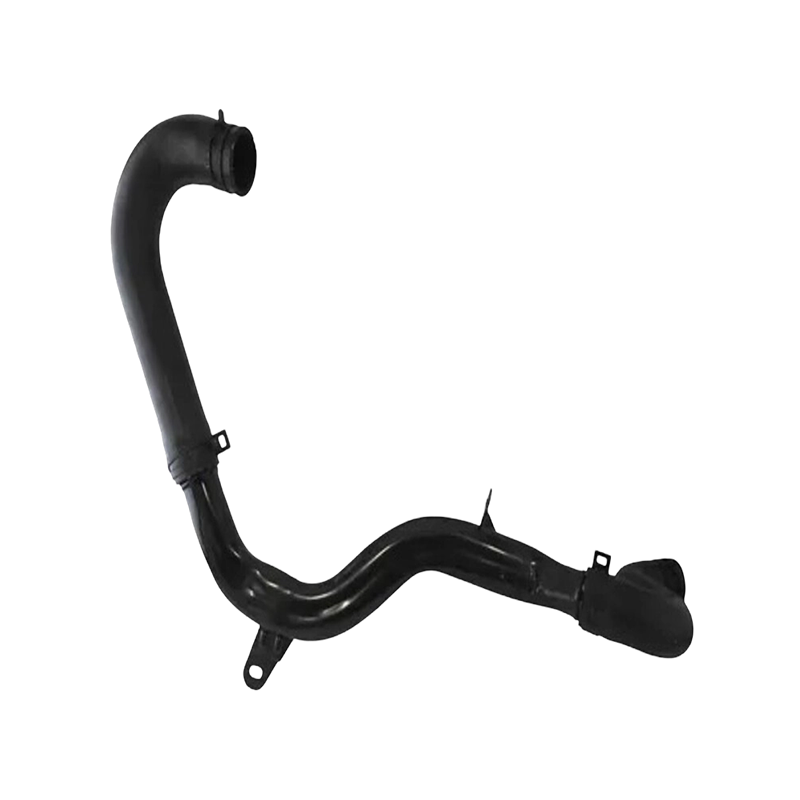
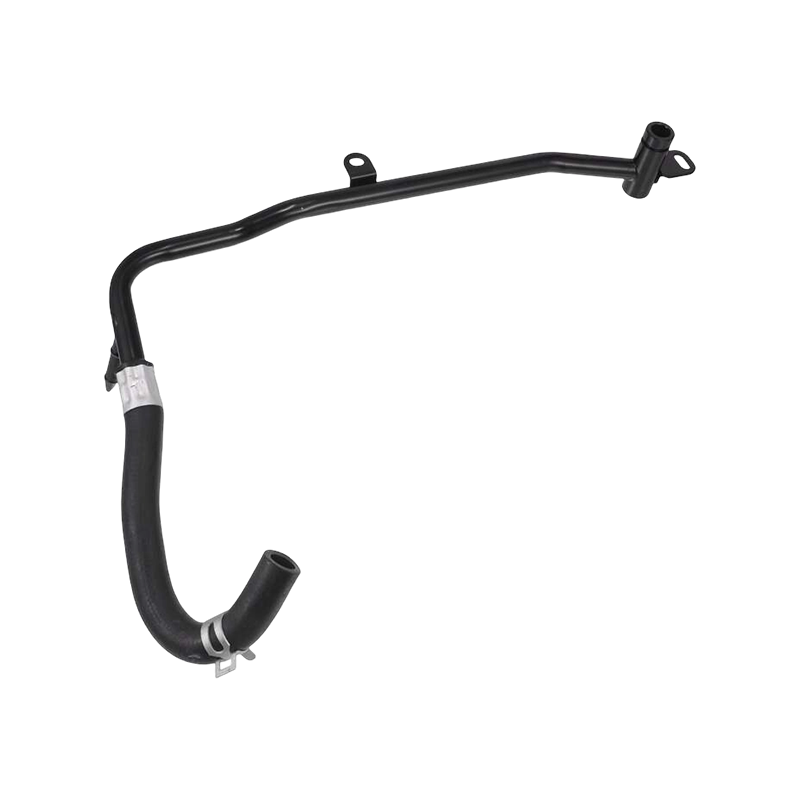
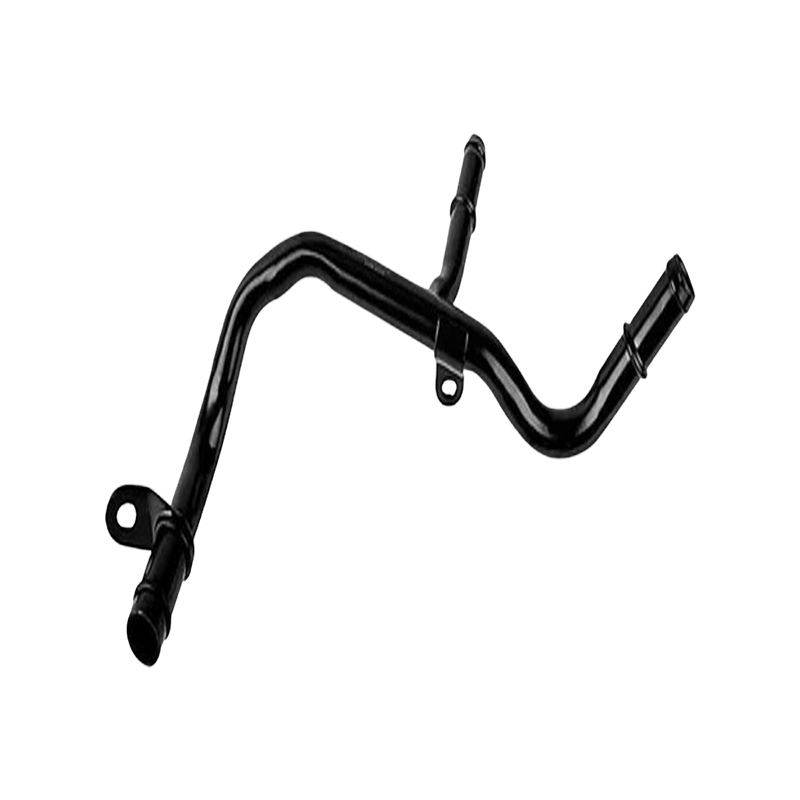
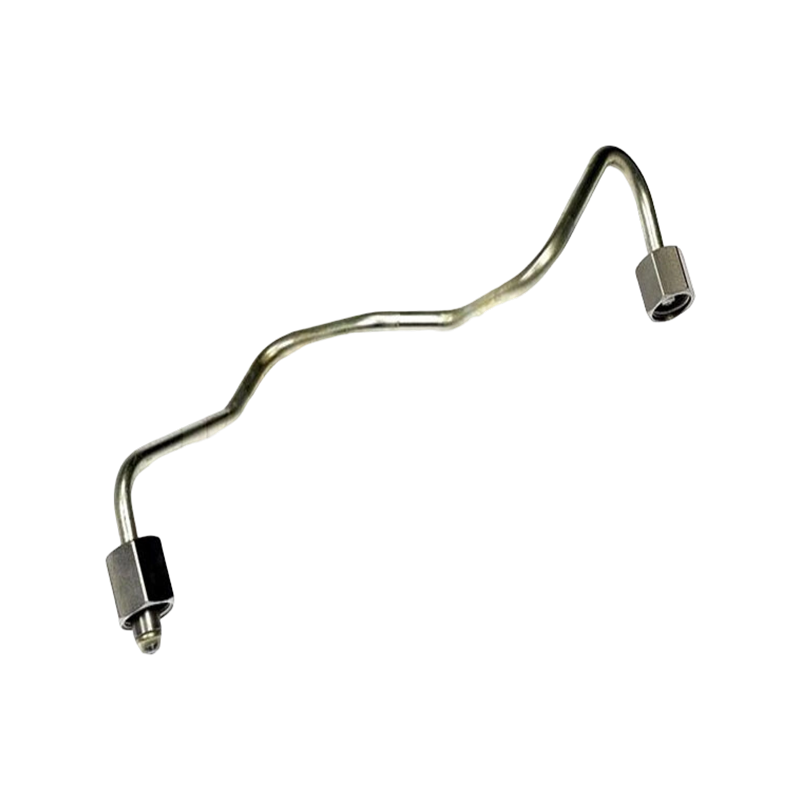
The Exhaust Gas Recirculation Line is the physical tube or pipe that connects the exhaust manifold to the intake manifold, passing recirculated exhaust gas through the EGR valve and, in most modern vehicles, through a cooler before it re-enters the combustion chamber.
When exhaust gas is reintroduced into the intake charge, it displaces some of the oxygen-rich air. This diluted mixture burns at a lower temperature — typically reducing peak combustion temperatures from around 2,800°F to under 2,400°F. NOx forms rapidly above 2,700°F, so keeping temperatures below this threshold is the core mechanism behind NOx reduction.
The EGR line must withstand:
Understanding the full recirculation circuit helps explain why the EGR line's condition matters so much to overall system function.
Hot exhaust gas exits the combustion chamber through the exhaust valve and enters the exhaust manifold. At a tapping point on the manifold — or on the exhaust pipe just downstream — the EGR circuit draws off a percentage of this gas. The engine control unit (ECU) determines how much gas to recirculate based on engine load, RPM, coolant temperature, and throttle position.
Most diesel and modern gasoline engines use a cooled EGR system. The gas passes through an EGR cooler — essentially a small heat exchanger using engine coolant — which drops gas temperature by 200–400°F before it reaches the intake. Cooler, denser gas is more effective at reducing combustion temperatures and also protects intake components from heat damage.
The EGR valve — controlled by the ECU via a vacuum signal or electric actuator — regulates the precise volume of gas entering the intake. At idle and light load, EGR flow rates are typically 5–15% of total intake volume. Under heavy load or at full throttle, the valve closes entirely to prevent power loss.
The EGR Line is the physical conduit through all these stages. A leak, crack, or blockage anywhere along this line disrupts the entire recirculation circuit. Even a small crack can cause the ECU to log a fault code (most commonly P0400–P0409 series) and trigger the check engine light.
Not all EGR lines are made from the same material, and the differences matter significantly for durability and application suitability.
| Material | Max Temp Rating | Flexibility | Best Application |
|---|---|---|---|
| Stainless Steel (rigid) | 1,600°F+ | None | High-temp diesel, fixed routing |
| Stainless Steel Corrugated (flexible) | 1,400°F | High | Vibration-prone or tight-clearance installations |
| Aluminized Steel | 1,100°F | Low | Budget OEM-style replacement, mild climates |
| Silicone-lined Composite | 500°F | Very High | Cooled EGR sections, post-cooler connections |
A Stainless Steel EGR Line is the preferred choice for heavy-duty diesel applications, turbocharged engines, and any installation where long service life under extreme thermal cycling is required. Stainless steel resists oxidation, carbon adhesion, and the acidic condensate that forms when hot exhaust gas cools inside the tube — a common cause of corrosion failure in mild-steel lines.
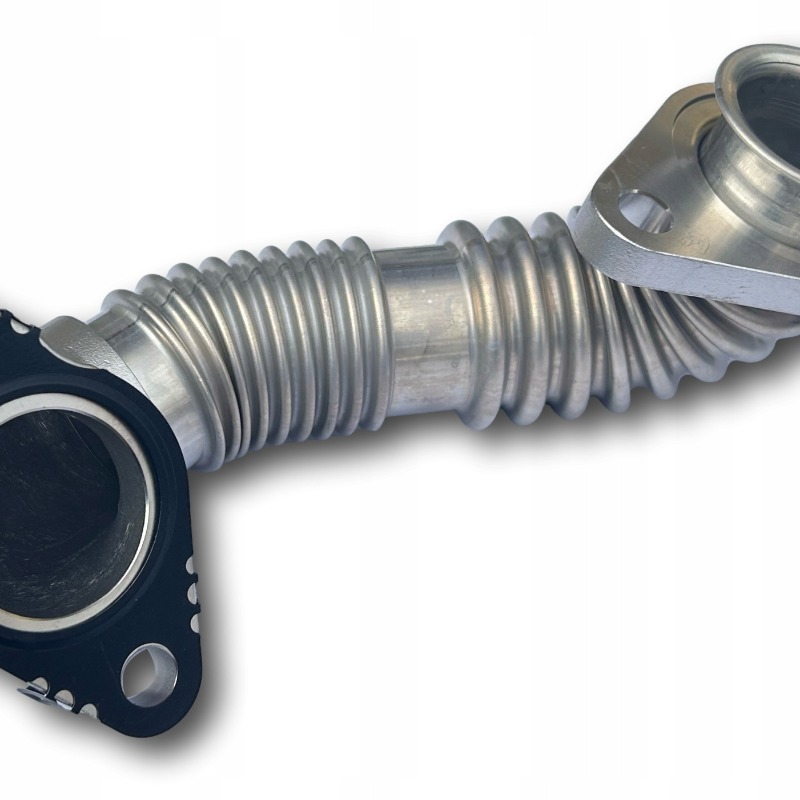
A Flexible EGR Tube — typically made from corrugated stainless steel braid — is the right choice when engine movement or packaging constraints make a rigid pipe impractical. The corrugated design absorbs vibration and thermal expansion without cracking, extending service intervals significantly compared to rigid pipes in high-vibration environments.
EGR line problems are frequently misdiagnosed as EGR valve failures because the symptoms overlap. Inspecting the line first costs nothing and can save the time and expense of unnecessary valve replacement.
How Often EGR Line Faults Cause Each Symptom (% of reported cases)
Figure 1: Percentage of EGR line fault cases associated with each reported symptom
A burning smell under the hood — particularly near the firewall or intake manifold — can indicate a cracked EGR line allowing hot exhaust gas to escape onto nearby wiring, hoses, or plastic components. This is a fire risk and requires immediate inspection.
Before ordering a Replacement EGR Pipe, perform a systematic visual and functional inspection to confirm the line is the source of the fault.
Selecting the correct Replacement EGR Pipe comes down to four factors: material grade, tube diameter, routing geometry, and end connection type. Getting any one of these wrong results in a pipe that either does not fit or fails prematurely.
EGR lines on passenger vehicles typically range from 14mm to 32mm internal diameter. Diesel trucks and commercial vehicles can run lines up to 50mm. Wall thickness in stainless steel lines should be a minimum of 0.8mm for passenger cars and 1.2mm for commercial diesel to resist pressure fatigue and thermal distortion.
EGR line ends connect via flanged bolt joints, compression fittings, or push-lock connections depending on the vehicle platform. Flange connections with high-temperature graphite gaskets are the most reliable for high-pressure diesel EGR circuits. Always replace the gasket when installing a new line — reusing an old compressed gasket is the most common cause of leaks after replacement.
If the original equipment used a rigid line and it failed by cracking at a bend, consider upgrading to a Stainless Steel EGR Line with a corrugated flexible section at the highest-stress bend. This design change adds vibration tolerance without altering the overall routing, and typically extends service life by 3–5 times compared to rigid replacement in high-vibration installations.
NOx Reduction vs. EGR Flow Rate (% of Intake Volume)
Figure 2: NOx reduction increases significantly as EGR flow rate rises toward the 15% maximum operational threshold
| Engine Type | Typical EGR Rate | NOx Reduction | Line Type Used |
|---|---|---|---|
| Gasoline (naturally aspirated) | 5–10% | 15–25% | Rigid stainless or aluminized |
| Turbocharged Gasoline | 8–12% | 20–35% | Stainless steel with flex section |
| Light-Duty Diesel | 10–15% | 30–40% | Stainless steel corrugated |
| Heavy-Duty Diesel (Commercial) | Up to 15% | 35–40% | Heavy-gauge stainless, braided flex |
The Exhaust Gas Recirculation Line does not have a scheduled replacement interval in most OEM service guides, but proactive maintenance can prevent costly failures and emissions non-compliance.
As a professional Exhaust Gas Recirculation Line manufacturer and EGR Line factory, JIATIAN is located in Wanhou, Zhanqi Town, Yinzhou District, Ningbo City — just 25 kilometers from Ningbo Liushi Airport and 5 kilometers from Ningbo Coastal Industrial Zone, offering excellent logistics access for domestic and international supply chains.
Established on the foundation of Ningbo Xingxin Metal Products Factory (founded in 1995), JIATIAN is a high-tech enterprise specializing in the manufacture and development of automotive pipe fittings. The company occupies a total area of 32,000 square meters, with a factory footprint of 26,000 square meters.
Production capabilities include 10 CNC fully automatic pipe bending machines, 2 large-scale brazing furnace assembly lines, 10 hydraulic internal forming machines (handling diameters from 10mm to 80mm and lengths up to 1.5 meters), 1 800T hydraulic water expansion machine, 4 fully automatic laser welders, 4 welding robots, 8 large-scale machining centers, and 6 Panasonic arc welding machines — all supported by an in-house R&D and processing center.
JIATIAN's water expansion corrugated pipe equipment and technology are recognized as industry-leading in China. A comprehensive laboratory supports ongoing quality assurance and product development. The company is committed to creating the world's leading automotive bellows products with outstanding quality and innovative technology, ensuring reliable performance across all operating environments.
Q1: What happens if the EGR line is cracked or leaking?
A cracked EGR Line allows raw exhaust gas to escape before it reaches the intake manifold, disrupting the recirculation circuit. The ECU detects abnormal flow readings via the EGR position sensor and differential pressure sensor, logs a fault code (typically P0400 or P0401), and triggers the check engine light. In severe cases, escaping hot exhaust gas can damage nearby engine bay components including wiring harnesses and coolant hoses.
Q2: How long does an EGR line typically last?
A Stainless Steel EGR Line in normal service can last 100,000 miles or more if the system is maintained correctly and heat shields remain in place. Aluminized steel lines in high-moisture climates may show significant corrosion within 60,000–80,000 miles. Flexible corrugated lines in high-vibration applications typically last 80,000–120,000 miles depending on installation quality and engine mount condition.
Q3: Can I clean an EGR line instead of replacing it?
If the line is structurally intact with no cracks or perforations, cleaning is possible. Remove the line, soak it in a suitable carbon-dissolving solvent for 30–60 minutes, then flush and brush out the interior. However, cleaning is only a valid option if the line passes a visual and pressure integrity check. A cracked or corroded line must be replaced — cleaning a structurally compromised EGR pipe does not restore structural integrity and risks re-failure shortly after reinstallation.
Q4: Is a flexible EGR tube better than a rigid one?
It depends entirely on the application. A Flexible EGR Tube is superior in high-vibration environments or where routing requires bends that a rigid pipe cannot achieve without stress concentrations. A rigid stainless steel line is preferable in stable, fixed installations where maximum heat resistance and flow smoothness are priorities. Many modern replacement designs combine both — a rigid main section with a short flexible bellows at the highest-movement joint.
Q5: Will a faulty EGR line affect fuel economy?
Yes. A leaking or blocked Exhaust Gas Recirculation Line forces the ECU to compensate by adjusting fuel trims, which typically results in a 5–15% reduction in fuel economy in addition to increased emissions. A blocked line that prevents EGR flow can cause the engine to run hotter, accelerating wear on pistons, cylinder walls, and exhaust valves over time.
Contact Us
+86-138 0586 3066
+86-574 8840 6311
Send An E-mail
Mobile
Copyright ©NINGBO JIATIAN AUTOMOBILE PIPE CO.,LTD. All Rights Reserved.

China's Premium Automotive Tube Factory
Custom Automotive Pipe Fittings Supply