

 English
 Español
Stop Overheating Now: Why the OE# XF2Z18663AA Transmission Oil Cooler Line is Critical for Your Vehicle's Longevity
Content
- 1 The Vital Role of the XF2Z18663AA Transmission Oil Cooler Line
- 2 Why Transmission Fluid Leaks Are a Silent Killer
- 3 Technical Comparison: XF2Z18663AA vs. Universal Alternatives
- 4 Signs You Need to Replace Your Cooler Line Immediately
- 5 Ensuring Professional Results with Free Technical Support
- 6 Frequently Asked Questions (FAQ)
The Vital Role of the XF2Z18663AA Transmission Oil Cooler Line
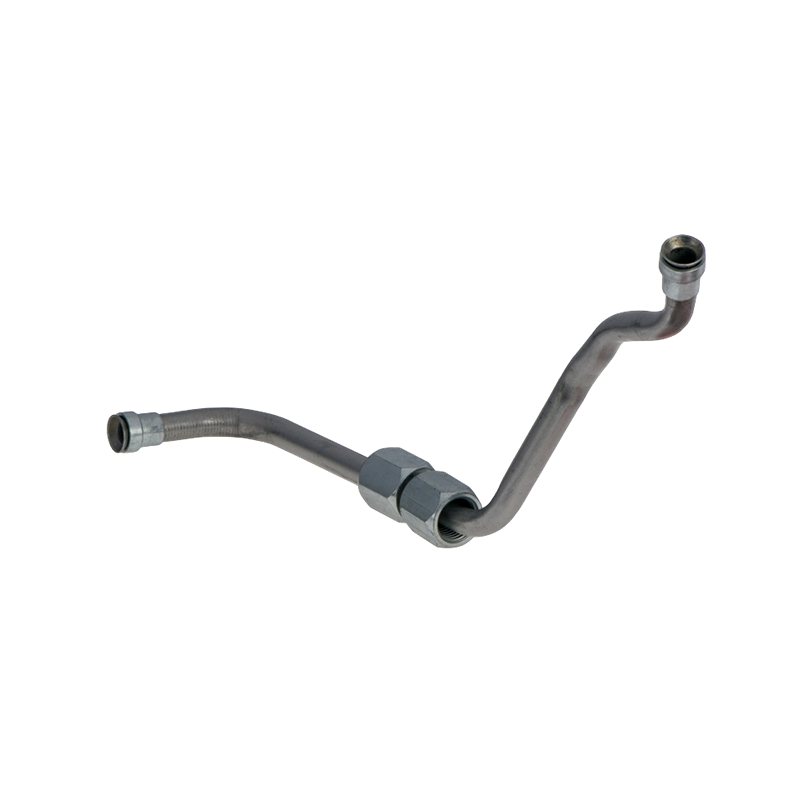
In the world of automotive maintenance, few components are as overlooked yet as vital as the transmission oil cooler line. The OE# XF2Z18663AA is more than just a simple tube; it is the primary conduit for the "lifeblood" of your vehicle's transmission. Automatic transmissions generate incredible amounts of internal friction and heat during normal operation. To prevent this heat from destroying delicate internal clutches and gears, the system pumps hot fluid through the transmission oil cooler line to the radiator or a dedicated external cooler.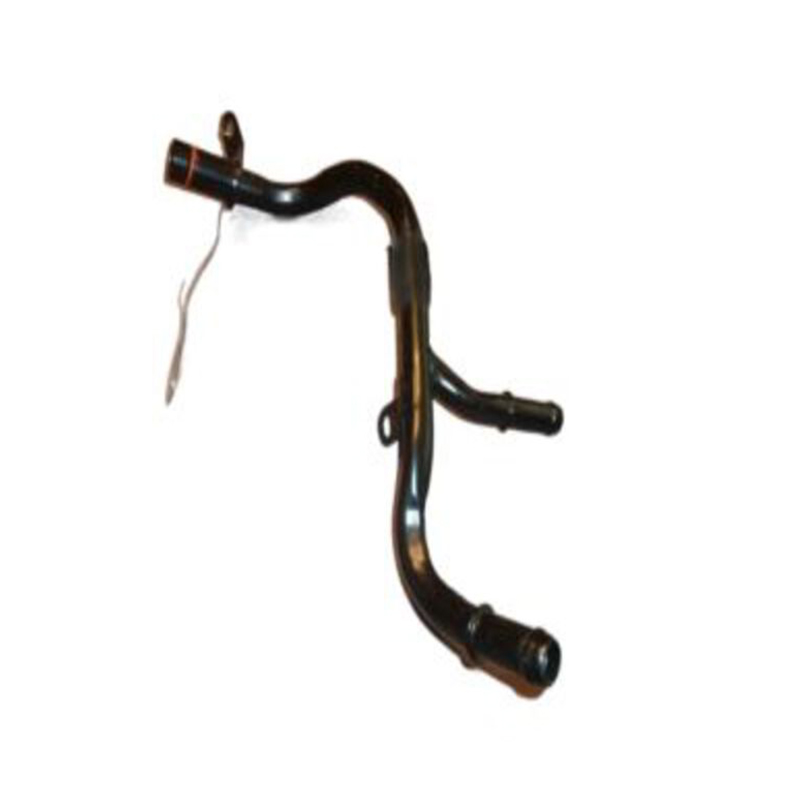
When this circulation process is interrupted, the consequences are immediate and severe. Without the cooling provided by the XF2Z18663AA, transmission fluid temperatures can skyrocket past the safe operating limit of 200°F (93°C). For every 20-degree increase above this threshold, the lifespan of your transmission is essentially cut in half. By ensuring a reliable connection with a guaranteed OEM fitment, you are not just replacing a part; you are installing an insurance policy against catastrophic mechanical failure.
Why Transmission Fluid Leaks Are a Silent Killer
A leaking cooler line is often a "silent killer" because it may not always leave a large puddle. Sometimes, the OE# XF2Z18663AA develops a slow "mist" leak under high pressure, which only occurs while the vehicle is in motion. Over time, the fluid level drops just enough to introduce air into the hydraulic system. This leads to cavitation, where air bubbles implode against metal surfaces, causing pitted gears and erratic shifting.
The Danger of Pressure Loss
Modern automatic transmissions rely on precise hydraulic pressure to engage gear sets. A compromised XF2Z18663AA line can cause a drop in line pressure. When pressure drops, the clutches inside the transmission do not engage fully—they "slip." This slipping creates even more heat, leading to a vicious cycle that eventually leaves the driver stranded on the side of the road with a $3,000+ repair bill for a full transmission rebuild.
Environmental and Fire Hazards
Transmission fluid is highly flammable. A failed cooler line can spray pressurized oil onto hot exhaust components, posing a significant fire risk. Utilizing a direct replacement line ensures that all fittings are secure and the materials used are rated for high-temperature and high-pressure environments, protecting both your vehicle and your safety.
Technical Comparison: XF2Z18663AA vs. Universal Alternatives
Many repair shops attempt to save money by using "universal" rubber hoses and worm-gear clamps. While this may work as a temporary roadside fix, it is not a long-term solution. The OE# XF2Z18663AA is engineered with specific bends and rigid sections to clear engine heat shields and moving suspension parts.
| Feature | OE# XF2Z18663AA Line | Generic Rubber Hose |
|---|---|---|
| Pressure Rating | Exceeds 250 PSI | Variable (Often < 100 PSI) |
| Fitment Accuracy | 100% Guaranteed OEM Fit | Requires Cutting/Bending |
| Material Durability | Corrosion-Resistant Steel/Reinforced | Standard Rubber (Prone to Rot) |
| Heat Dissipation | Optimized Thermal Transfer | Poor Insulating Properties |
Signs You Need to Replace Your Cooler Line Immediately
Because the transmission oil cooler line is constantly exposed to the elements—road salt, moisture, and debris—it will eventually degrade. Drivers should perform a visual inspection every 15,000 miles. Here are the warning signs that your XF2Z18663AA has reached the end of its service life:
- Wetness or "sweating" on the surface of the metal or rubber sections of the line.
- Difficulty shifting into gear, especially when the engine is cold.
- A low reading on the transmission dipstick (if equipped).
- Rust scaling on the steel sections, which indicates the wall thickness is compromised.
Early detection is key. Replacing the XF2Z18663AA during a routine service is a simple procedure, whereas replacing it after a total blowout requires towing and potentially deep-cleaning the entire engine bay of oily residue.
Ensuring Professional Results with Free Technical Support
We understand that maintaining a vehicle's cooling system can be daunting. That is why we offer free technical support for every OE# XF2Z18663AA purchase. Whether you are a professional mechanic looking for specific torque values or a DIYer trying to navigate a tight engine compartment, our experts are here to help. Proper installation ensures that the line does not rub against the frame or engine block, which is the leading cause of "vibration-induced" leaks in poorly installed aftermarket parts.
Frequently Asked Questions (FAQ)
What happens if the XF2Z18663AA line fails while I'm driving?
If the line bursts, you will lose a significant amount of transmission fluid in seconds. You will likely see smoke (as fluid hits the exhaust) and the transmission will stop shifting. If this happens, pull over and turn off the engine immediately to prevent permanent internal damage.
Is the XF2Z18663AA a direct fit for my vehicle?
This part is engineered to be a direct replacement for OE# XF2Z18663AA. It matches the original manufacturer’s specifications for length, diameter, and fitting type, ensuring a hassle-free installation without the need for adapters.
Can I just patch a leak in the cooler line?
Patching is not recommended. Transmission systems operate under high pressure and heat. Epoxy or rubber patches will eventually fail, often when the system is under the most stress. Replacing the entire line is the only way to ensure consistent performance and protection.
Does a new cooler line improve shifting quality?
If your old line was restricted or leaking (causing low fluid levels), then yes. Restoring proper fluid flow and pressure will significantly improve shift timing and smoothness.
Our Main Products

 Contact Us
+86-138 0586 3066
+86-574 8840 6311
 Products
 Send An E-mail
 Mobile
Copyright ©NINGBO JIATIAN AUTOMOBILE PIPE CO.,LTD. All Rights Reserved.
 China's Premium Automotive Tube Factory
Custom Automotive Pipe Fittings Supply
privacy
China's Premium Automotive Tube Factory
Custom Automotive Pipe Fittings Supply
privacy