Industry News
NEWS
Top 10 Fuel Injector Lines for Better Engine Performance in 2026
Content
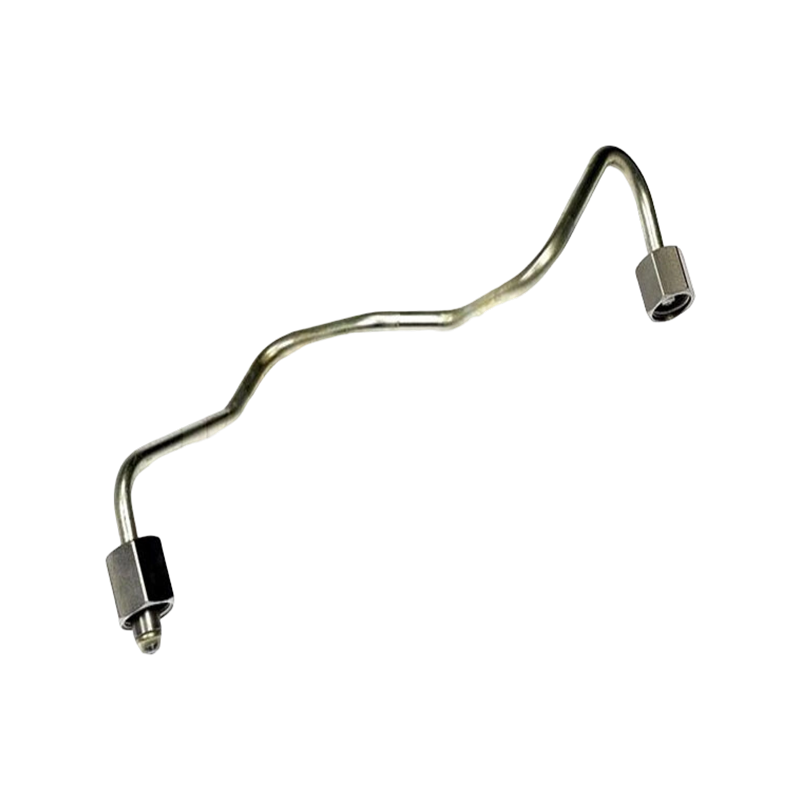
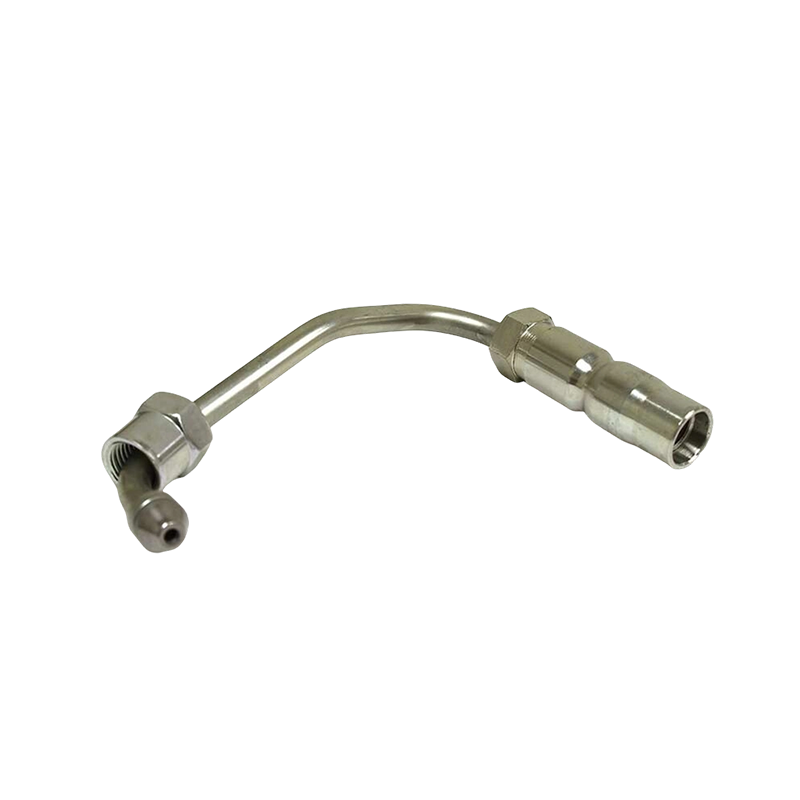
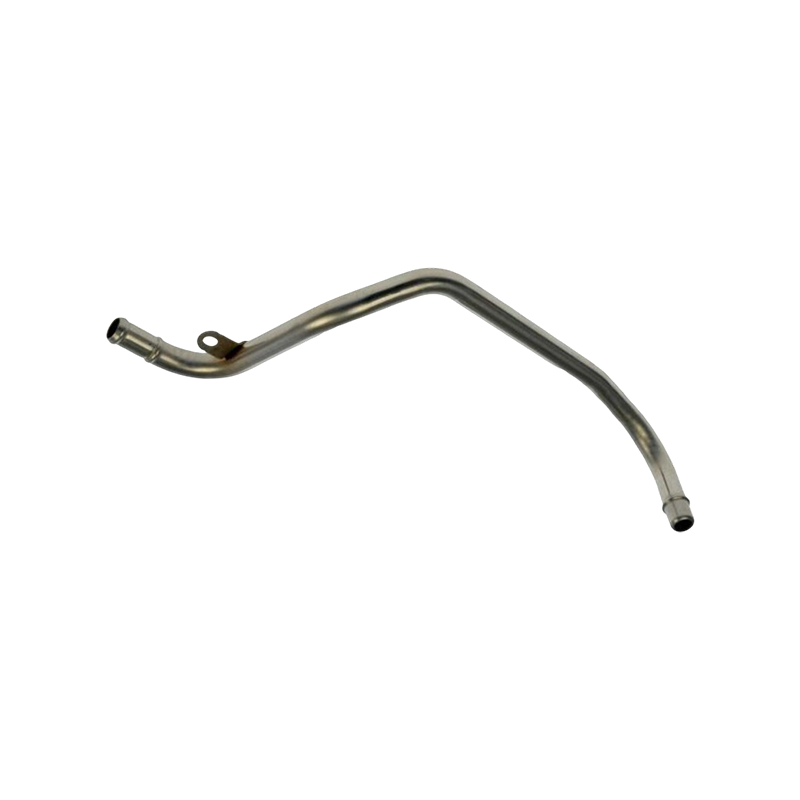
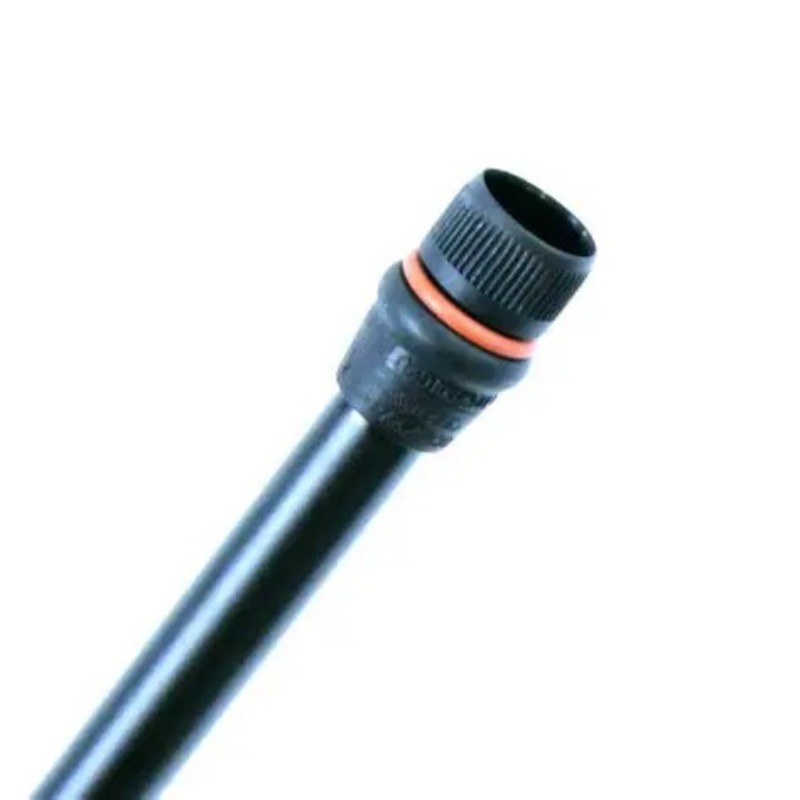
If your diesel engine is delivering less power, showing rough idle, or consuming more fuel than expected, the fuel injector line is one of the first components to inspect. These high-pressure pipes are among the most mechanically stressed parts in any diesel powertrain, and a degraded or incorrectly specified line directly compromises injection timing, atomization quality, and ultimately engine output. This guide ranks the top 10 fuel injector lines available in 2026, explains what separates a reliable high pressure fuel pipe from a marginal one, and gives you the practical knowledge to make the right choice for your application.
Modern common rail diesel systems operate at injection pressures routinely exceeding 200 MPa (29,000 PSI). At these pressures, the fuel injector pipe is not simply a conduit—it is a precision-engineered structural component that must maintain dimensional stability through millions of pressure cycles across its operational life. Choosing the wrong line, or delaying diesel injector line replacement, creates risk at every level from fuel economy to catastrophic failure.
The injector line for diesel engine applications does far more than transport fuel. It acts as a dynamic pressure vessel, absorbing and transmitting hydraulic pulses generated at the high-pressure pump and moderating pressure wave reflections that affect injector opening behavior. In a six-cylinder engine running at 2,000 RPM, each fuel injection steel pipe endures approximately 1,000 full pressure cycles per minute—over 500 million cycles in a typical 250,000-kilometer service life.
This level of cyclic loading demands materials and manufacturing processes that go well beyond standard hydraulic tubing. The consequences of specification failure include:
Not all fuel injection steel pipes are manufactured to the same standard. The gap between a pipe that lasts the life of the engine and one that fails prematurely comes down to three fundamental factors: material specification, manufacturing process, and geometric precision.
Premium fuel injector pipes are produced from specially formulated high-strength, low-alloy (HSLA) steel tubing. This material delivers a combination of high yield strength, excellent fatigue resistance, and sufficient ductility to survive tube bending without cracking. After forming, heat treatment processes further optimize the grain structure for pressure cycling endurance. Generic hydraulic tubing—even if it passes initial pressure tests—lacks the fatigue resistance to survive millions of injection cycles.
The most important differentiator in high pressure fuel pipe manufacturing is the application of autofrettage—a process in which extreme internal pressure is applied to the finished pipe, causing controlled plastic deformation of the inner wall. This creates a layer of residual compressive stress on the bore surface that directly opposes the tensile stress generated during normal fuel pressure operation. The result is a measurable improvement in fatigue life: properly autofrettaged pipes can achieve two to three times the fatigue life of non-treated equivalents at the same operating pressure. This process is essential for any pipe operating above 150 MPa.
Engine fuel line assemblies must match the three-dimensional geometry of the engine installation with tight tolerances. A pipe that requires forced installation introduces pre-stress at the fittings—a primary initiation site for fatigue cracks. Advanced CNC tube bending machines produce repeatable, precise bends that match OEM geometry without introducing installation stress. This precision also ensures that clamps and brackets seat correctly, preventing vibration-induced wear throughout the service life.
| Performance Factor | Standard Grade | Premium Grade |
|---|---|---|
| Tubing Material | Standard carbon steel | Customized HSLA steel |
| Autofrettage Treatment | None | Applied (inner wall compressive stress) |
| Max Operating Pressure | Up to 120 MPa | 200+ MPa |
| Tube Bending Method | Manual / basic mandrel | CNC fully automatic |
| Fatigue Life (cycles) | 100–200 million | 500+ million |
| Dimensional Tolerance | ±0.5 mm | ±0.1 mm or better |
Among the manufacturers supplying high-performance fuel injector lines in 2026, Ningbo Jiatian Automobile Pipe Co., Ltd. stands out for its combination of manufacturing scale, advanced equipment, and deep specialization in automotive pipe fittings. Established on the foundation of Ningbo Xingxin Metal Products Factory (founded in 1995), the company has grown into a recognized high-tech enterprise with a 32,000 square meter campus in Yinzhou District, Ningbo City—25 kilometers from Ningbo Liushi Airport and 5 kilometers from Ningbo Coastal Industrial Zone.
Jiatian's 26,000 square meter production facility houses an exceptional array of specialized equipment that sets the standard for fuel injection pipe manufacturing:
The company maintains its own R&D and processing centers alongside a comprehensive laboratory, enabling in-house material testing, pressure validation, and fatigue life verification without reliance on external testing facilities.
Jiatian's fuel injector pipe products incorporate three core technical advantages that directly translate to superior field performance:
Beyond the standard product range, Jiatian provides fully customized solutions across industries and applications, from single-piece prototype production to high-volume series manufacturing.
The following ranking evaluates fuel injector pipe products based on pressure rating, material specification, manufacturing precision, application versatility, and overall suitability for modern diesel common rail systems. All entries represent categories of products currently available for commercial and industrial applications.
Selecting an injector line for a diesel engine involves more than matching the outer diameter and length. Several interrelated specifications must be verified before purchase or installation.
Always confirm that the pipe's rated burst pressure is at least four times the maximum system operating pressure. For a 200 MPa common rail system, that means a minimum burst pressure of 800 MPa. Wall thickness directly determines pressure capacity, but thicker walls are not always appropriate—excessively thick walls add weight and reduce the pipe's ability to flex under thermal expansion without generating fitting stress.
The internal bore diameter must precisely match the engine's flow requirement. A bore that is too small increases flow velocity and pressure drop; one that is too large creates standing wave effects that disturb injection timing. OEM specifications should always be the primary reference for diesel injector line replacement on production engines.
Most diesel fuel injector pipes use cone-seat connections (typically 60-degree cone) at both the pump and injector ends. The cone geometry must exactly match the engine's seat—even small deviations in cone angle or seating diameter will cause leakage at operating pressure. Confirm fitting compatibility before ordering any replacement fuel injector pipe.
The three-dimensional routing of an engine fuel line assembly is determined by the engine design. A replacement pipe that cannot be routed to all specified clamp and bracket points will be subject to vibration and cyclic bending that the original design did not account for. CNC-bent replacements from precision manufacturers like Jiatian replicate OEM routing within tight tolerances, eliminating this risk.
| Parameter | What to Verify | Why It Matters |
|---|---|---|
| Rated Burst Pressure | Min. 4x system pressure | Safety margin for pressure spikes |
| Internal Bore Diameter | Match OEM specification exactly | Injection timing and flow rate |
| Cone Angle / Fitting Type | Confirm engine seat geometry | Leak-free sealing at full pressure |
| Pipe Length and Routing | Match all clamp / bracket points | Vibration control and fit |
| Material Grade | HSLA with autofrettage for 150+ MPa | Fatigue life at operating pressure |
| Surface Finish / Coating | Corrosion protection grade | Service life in harsh environments |
Recognizing the early warning signs of fuel injector line degradation allows you to schedule diesel injector line replacement before a failure occurs in service. The following symptoms warrant immediate inspection:
Correct installation is as important as correct pipe specification. Errors during diesel injector line replacement are responsible for a significant share of early-life failures.
Contact Us
+86-138 0586 3066
+86-574 8840 6311
Send An E-mail
Mobile
Copyright ©NINGBO JIATIAN AUTOMOBILE PIPE CO.,LTD. All Rights Reserved.

China's Premium Automotive Tube Factory
Custom Automotive Pipe Fittings Supply