NEWS

Home / News / Industry News / What Is a Fuel Injector Line? A Complete Guide for Engine Systems

What Is a Fuel Injector Line? A Complete Guide for Engine Systems


What Is a Fuel Injector Line and What Does It Do

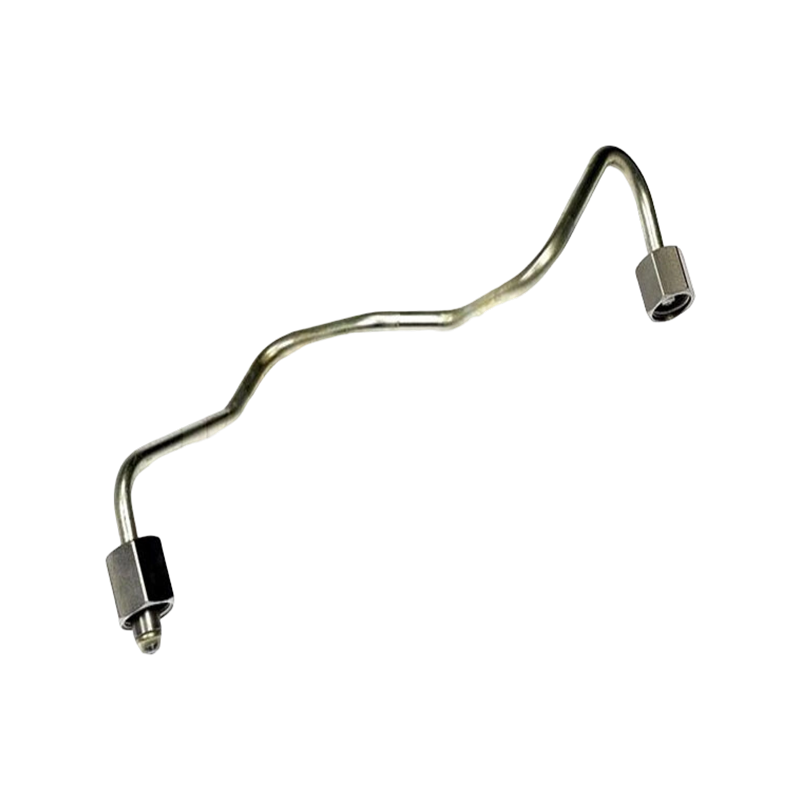
A fuel injector line is a rigid or semi-rigid metal tube that carries pressurized fuel from the fuel rail or injection pump directly to each fuel injector. In modern diesel and high-pressure gasoline systems, this component must withstand extremely high internal pressure, constant vibration, and repeated thermal cycling without leaking or cracking. The fuel injector pipe is one of the most stressed small parts in the entire fuel injection system components assembly, and its dimensional accuracy directly affects spray timing and combustion efficiency.

Unlike flexible rubber fuel hoses used in low-pressure return circuits, a fuel injector tube assembly is typically made from cold-drawn seamless steel tubing that is bent into precise shapes to match engine layout requirements. Each line is engineered with specific wall thickness, bend radius, and end-fitting design to match the injector and rail connection points exactly.

Pressure Ratings Across Common Fuel Injector Pipe Types

Pressure tolerance is the single most important specification when comparing a high pressure fuel injector pipe against a standard fuel line. Common rail diesel systems, for example, operate at pressures far beyond traditional mechanical injection pumps, which is why dedicated common rail injector pipe designs use thicker walls and tighter tolerances.

Typical Operating Pressure by Line Type (Bar) Mechanical Pump 300 bar Standard Diesel 600 bar Common Rail (Gen 3) 1,800 bar Common Rail (Gen 4+) 2,200 bar

As the chart shows, a diesel fuel injector pipe built for Generation 4 common rail systems must reliably handle pressures more than seven times higher than older mechanical pump designs. This is why material selection, wall thickness calculation, and seamless tube quality are critical during manufacturing. A pipe rated for an older platform should never be substituted into a newer high-pressure common rail engine, even if the outer diameter appears similar.

Materials Used in Fuel Injector Line Manufacturing

Why Stainless Steel Fuel Injector Line Construction Matters

Most fuel injector lines are produced from seamless carbon steel or stainless steel fuel injector line tubing, depending on the corrosion environment and pressure requirement. Stainless steel options resist rust caused by ethanol-blended fuels and humid operating conditions, making them a preferred choice for marine, agricultural, and heavy-duty diesel applications.

  1. Cold-drawn seamless steel tubing for standard diesel applications
  2. Stainless steel tubing for corrosion-resistant and marine environments
  3. Double-wall or bundy tube construction for added burst protection
  4. Precision-formed end fittings, including bite-type and flare connections
Comparison of common fuel injector pipe materials and typical applications
Material Corrosion Resistance Typical Use Case
Carbon Steel (Bundy) Moderate Passenger vehicle diesel engines
Stainless Steel 304/316 High Marine, agricultural, heavy-duty trucks
Seamless Alloy Steel Moderate to High High-pressure common rail systems

How Fuel Injector Line Performance Compares Across Key Factors

When evaluating an OEM fuel injector line against an aftermarket replacement, several performance dimensions should be considered together rather than in isolation. The radar chart below compares four common pipe categories across pressure resistance, vibration durability, corrosion resistance, and dimensional precision on a relative scale.

Relative Performance Comparison (Scale 1-10) Pressure Resistance Vibration Durability Corrosion Resistance Dimensional Precision Bend Consistency Surface Finish

This balanced profile reflects what a properly manufactured common rail injector pipe should achieve when produced under controlled CNC bending and brazing processes. Lines that score unevenly, for example with high pressure resistance but poor surface finish, are more prone to micro-cracking near bend points over time. A reliable fuel injector pipe manufacturer aims for consistency across all six dimensions rather than excelling in only one area while neglecting others.

Common Causes of Fuel Injector Line Failure Over Time

Understanding why a fuel injector pipe fails helps fleet operators and repair technicians plan proactive fuel injector line replacement schedules instead of waiting for a roadside breakdown. The line chart below illustrates how failure risk tends to increase with vehicle age and accumulated mileage under typical operating conditions.

Estimated Failure Risk vs Mileage 0 50k 100k 150k 200k+ Mileage (km)

The upward trend reflects three primary stress factors: repeated thermal expansion and contraction near the engine block, vibration fatigue at fitting connection points, and gradual corrosion from condensation or fuel contaminants. Vehicles operating in stop-and-go conditions or extreme temperature climates often show accelerated wear compared to highway-only use. Routine inspection of fittings and bend areas can catch early-stage cracking before it leads to fuel leakage.

  1. Thermal cycling fatigue near exhaust manifold proximity
  2. Vibration-induced loosening of fitting connections
  3. Corrosion from moisture or contaminated fuel
  4. Improper bend radius causing stress concentration points

Recognizing the Symptoms of a Leaking Fuel Injector Pipe

Early detection of a leaking high pressure fuel line can prevent more serious engine damage. The bar chart below ranks the most frequently reported symptoms based on how often they are the first sign a driver or technician notices.

Most Reported First Symptoms (Relative Frequency) Visible fuel odor Hard starting Rough idle Power loss under load Visible fuel stains

A noticeable fuel smell near the engine bay is consistently the most common early warning sign, often preceding more severe symptoms like hard starting or rough idle. Power loss under load tends to appear when the leak has progressed enough to affect injector pressure delivery. If any combination of these symptoms appears together, inspecting the injector tube assembly and its fittings should be a priority before the vehicle is driven further.

Selecting the Right Fuel Injector Pipe Supplier

Choosing a dependable fuel injector pipe supplier involves more than comparing dimensions on a data sheet. Manufacturing process consistency, raw material traceability, and pressure-testing capability all influence long-term reliability. Facilities equipped with CNC pipe bending, automated brazing lines, and dedicated laboratories are generally better positioned to maintain tight tolerances across large production batches.

Key questions to ask a potential fuel injector pipe manufacturer include whether seamless tubing is used as the base material, how bend radius tolerances are controlled, what pressure-testing standards are applied before shipment, and whether end-fitting forming is done in-house or outsourced. Suppliers that control the full process from raw tube to finished injector tube assembly typically offer more consistent quality across production runs.

About JIATIAN: Automotive Fuel Injector Line Manufacturing

JIATIAN is a China-based Automotive Fuel Injector Line Factory located in Wanhou, Zhanqi Town, Yinzhou District, Ningbo City, with convenient access to Ningbo Lishe Airport and the Ningbo Coastal Industrial Zone. Built on the foundation of a metal products factory established in 1995, JIATIAN operates across a 32,000 square meter site with a 26,000 square meter production facility dedicated to automotive pipe fittings.

The production line includes 10 CNC fully automatic pipe bending machines, two large-scale brazing furnace assembly lines, ten hydraulic internal forming machines covering diameters from 10mm to 80mm, an 800-ton hydraulic water expansion machine, four fully automatic laser welders, four welding robots, eight large-scale machining centers, and six arc welding stations. This integrated setup allows in-house production of seamless tubing, precision bending, and fitting assembly within a single facility, supported by a dedicated research and testing laboratory.

Frequently Asked Questions

Q1: What is a fuel injector line?
A fuel injector line is a high-pressure metal pipe that delivers fuel from the rail or pump to each injector.
Q2: What does a fuel injector pipe do?
It transports pressurized fuel precisely and consistently to support correct injector spray timing.
Q3: What are fuel injector lines made of?
Most are made from seamless carbon steel or stainless steel tubing, depending on the application.
Q4: Why are fuel injector lines important?
They maintain stable fuel pressure and timing, which directly affects combustion and engine performance.
Q5: What are the symptoms of a leaking fuel injector line?
Common signs include a fuel odor, hard starting, rough idle, and reduced power under load.
Q6: Can a damaged injector pipe affect engine performance?
Yes, a damaged pipe can cause pressure loss, leading to misfires, rough running, and reduced power.
Q7: Why does a fuel injector line crack?
Cracking often results from vibration fatigue, thermal cycling, or stress at improperly formed bends.
Q8: What causes fuel injector line failure?
Failure is typically caused by corrosion, fatigue cracking, loose fittings, or material defects.
Q9: Is it safe to drive with a leaking fuel injector pipe?
It is not recommended, as a leak can lead to fuel loss, fire risk, and further engine damage.