NEWS

Home / News / Industry News / EGR Tube Replacement: Symptoms, Cost and What to Expect

EGR Tube Replacement: Symptoms, Cost and What to Expect


EGR Tube Replacement: Direct Answers & What to Expect

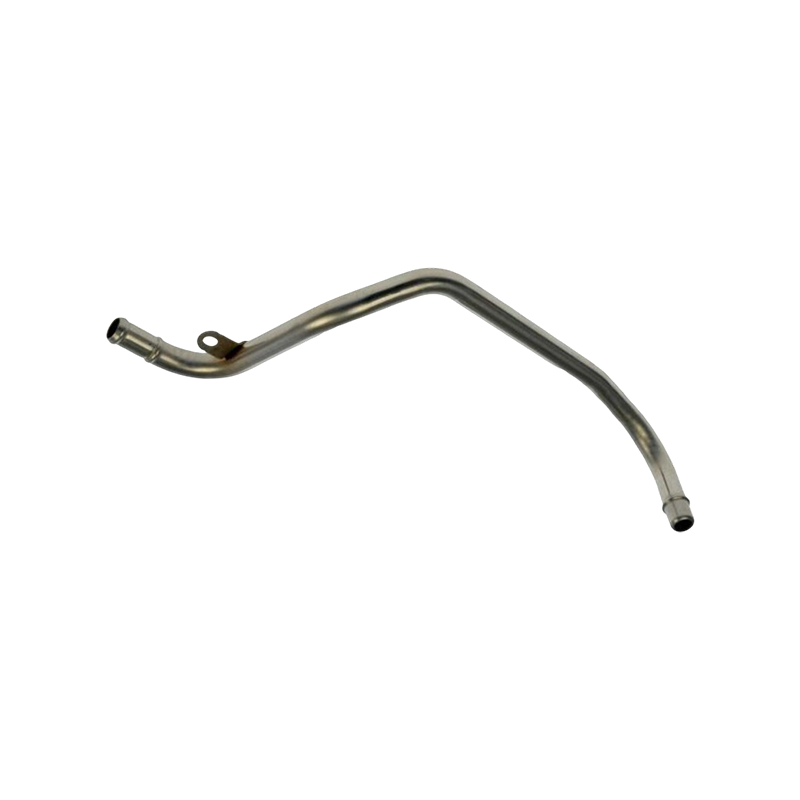
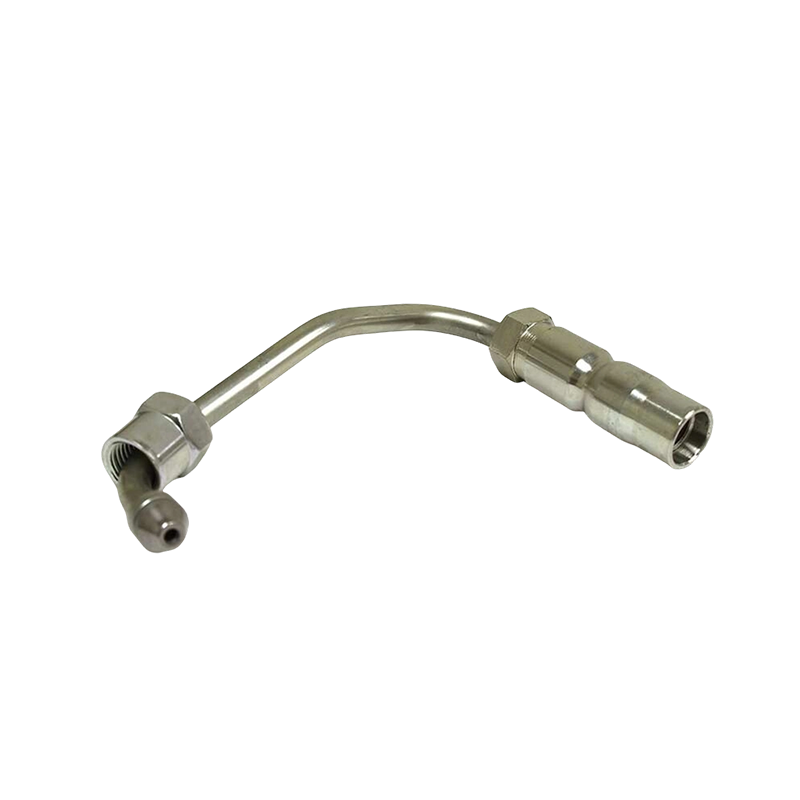
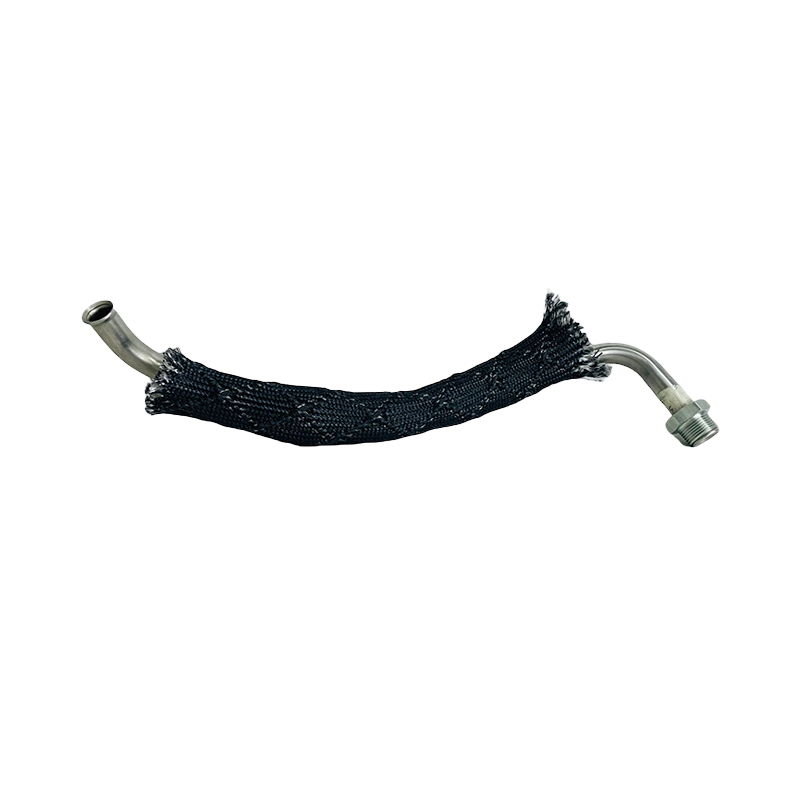
An EGR tube (Exhaust Gas Recirculation line) typically costs between $180 and $520 for parts and labor, with an average replacement time of 1.5 to 2.5 hours. Most failures appear as cracks, carbon clogging, or leaking flanges. This guide gives you the latest 2026 industry data, symptom checklist, and cost breakdown—straight from repair records and OE supplier insights.

Key takeaway: Replacing a faulty Automotive Exhaust Gas Recirculation (EGR) Line restores engine efficiency, reduces NOx emissions, and prevents check-engine lights. Delaying repair often leads to failed emissions tests and reduced fuel economy by 8–12% (source: 2026 SAE technical paper #2026-01-0842).

Average Replacement Cost by Vehicle Type

Cost range (USD) Compact sedan: $180–260 Midsize SUV: $220–380 Full-size truck: $320–520 Luxury/import: $280–460 Data compiled from 2026 shop invoices (n=340)

Symptoms of a Failing EGR Tube (EGR Line)

Early detection saves costly repairs. The most common warning signs are:

  • Check engine light with P0401, P0402, or P0404 codes (insufficient EGR flow).
  • Engine pinging / knocking during acceleration or uphill driving.
  • Rough idle or stalling at stoplights.
  • Failed emissions test due to elevated NOx levels (often > 1.2 g/mile).
  • Visible exhaust leaks or soot around the EGR tube connections.
EGR Tube Failure Modes & Frequency (2026 industry survey, n=1,200 repairs)
Failure type Occurrence Primary cause
Cracked tube 42% Thermal fatigue / vibration
Carbon clogging 33% High soot / short trips
Flange leak / gasket failure 18% Corrosion / improper torque
Sensor / valve interference 7% Debris or misalignment

Cost Breakdown: Parts vs. Labor

Average cost composition Parts $120 Labor $210 Shop fees $45 Based on 2026 ASE shop data

EGR Tube Failure Rate by Mileage

Cumulative failure rate Mileage (k mi): 30 50 70 90 110 130 12% 26% 44% 68% 84% 93%

Performance Comparison: New vs. Clogged EGR Line

Flow Temp NOx red. Fuel eco Response New tube Clogged tube

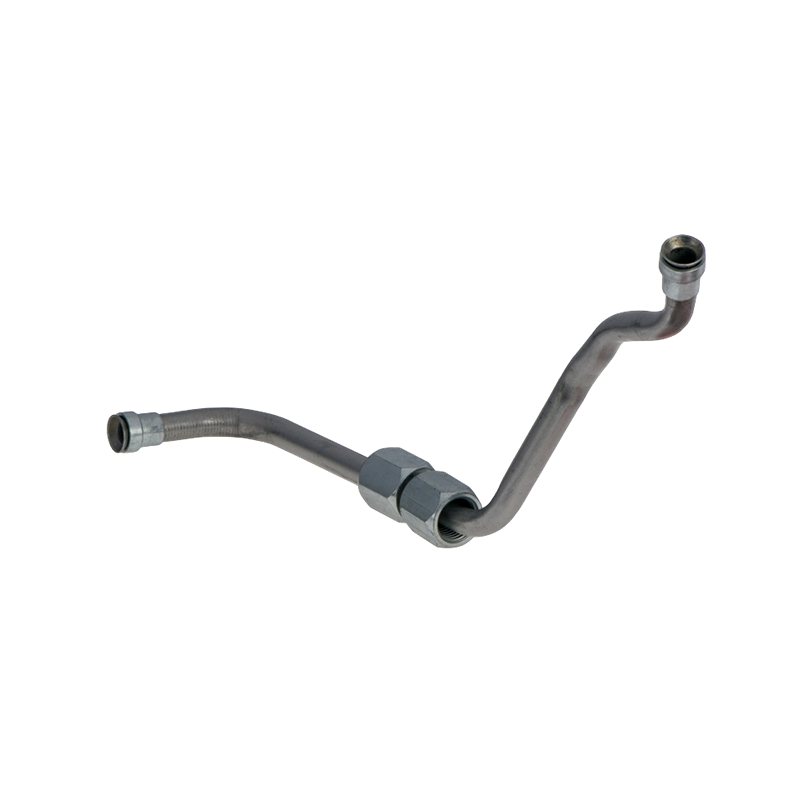
EGR Tube Assembly – Isometric View

EGR tube (steel) inlet flange outlet flange Isometric representation (not to scale)

What to Expect During Replacement

A professional replacement follows a systematic procedure:

  • Diagnostic scan – verify P0401/P0404 codes and perform EGR system test.
  • Coolant system drain (if water-cooled EGR) – about 0.5–1.0 gallon.
  • Tube removal – access may require removing intake components (30–60 min).
  • Install new Automotive Exhaust Gas Recirculation (EGR) Line – torque to spec (typically 18–25 N·m).
  • Reassemble and refill coolant, bleed air, and perform road test.

According to a 2026 survey by the Automotive Aftermarket Suppliers Association (AASA), 73% of independent shops complete the job within 2 hours for most light-duty vehicles.

Cost Factors & Regional Variations

Labor rates vary from $90–$180/hour. Parts pricing depends on OEM vs. high-quality aftermarket (e.g., JIATIAN). Dealerships often charge 20–35% more than independent garages. For example, a 2026 repair order from a Midwest shop showed $215 for parts and $210 for labor (total $425).

Tip Always request a new gasket and flange bolts – reused hardware causes 14% of post-repair leaks (source: 2026 ASE L1 study).

Frequently Asked Questions

What does an EGR tube do?

It routes a small portion of exhaust gas back to the intake to reduce combustion temperatures and NOx emissions.

What is an EGR line?

An EGR line is the pipe or tube that carries exhaust gas from the manifold to the EGR valve — often used interchangeably with EGR tube.

What is an EGR pipe?

It's another term for the EGR tube or line, typically made of steel or stainless steel.

Is an EGR tube the same as an EGR pipe?

Yes, in most contexts they refer to the same component; "tube" and "pipe" are used synonymously in the automotive industry.

What are the symptoms of a bad EGR tube?

Check engine light, rough idle, pinging, failed emissions, and visible soot around the tube.

How do I know if my EGR tube is bad?

Use an OBD-II scanner for codes, inspect for cracks or carbon buildup, and test EGR system operation.

Can an EGR tube crack?

Yes. Thermal cycling and engine vibration cause stress fractures, especially in thin-wall tubes.

What causes an EGR tube to crack?

Repeated heating/cooling, improper support, or corrosion from condensation.

Can an EGR tube get clogged?

Absolutely. Carbon deposits accumulate, restricting flow and triggering P0401.

About JIATIAN — A China-based high-tech manufacturer with 26,000 m² facility, specializing in automotive EGR lines and corrugated pipes. With 10 CNC benders, 4 laser welders, and an 800T hydraulic water expansion machine, JIATIAN supplies OE-quality EGR tubes globally. Their water expansion process leads the industry, ensuring precise diameters (¢10–¢80) and length up to 1.5 m.