NEWS

Home / News / Industry News / What Is an EGR Tube? Function, Symptoms, Problems and Replacement Guide

What Is an EGR Tube? Function, Symptoms, Problems and Replacement Guide


What Is an EGR Tube

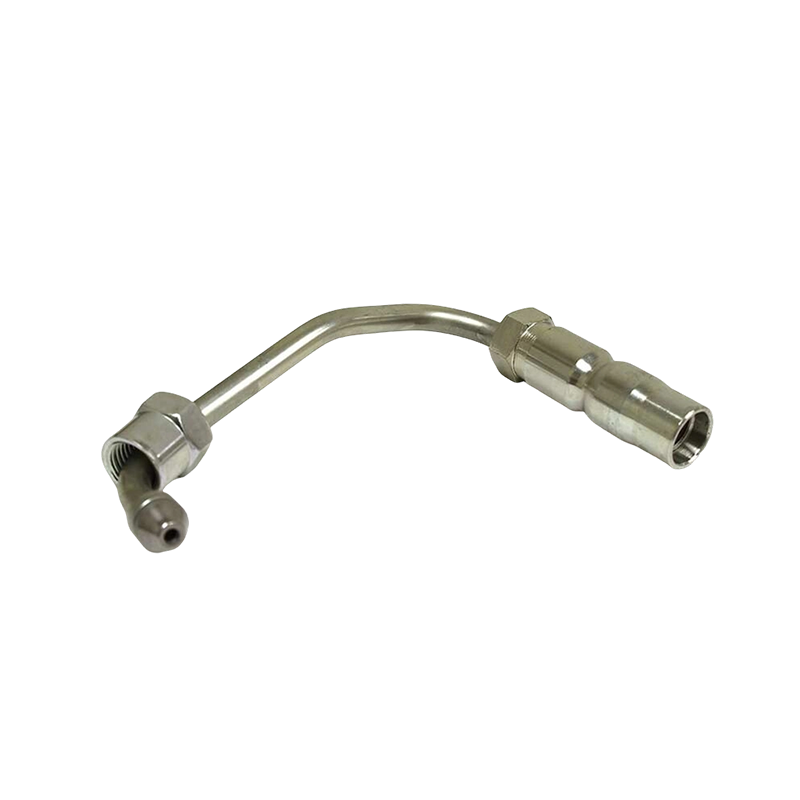
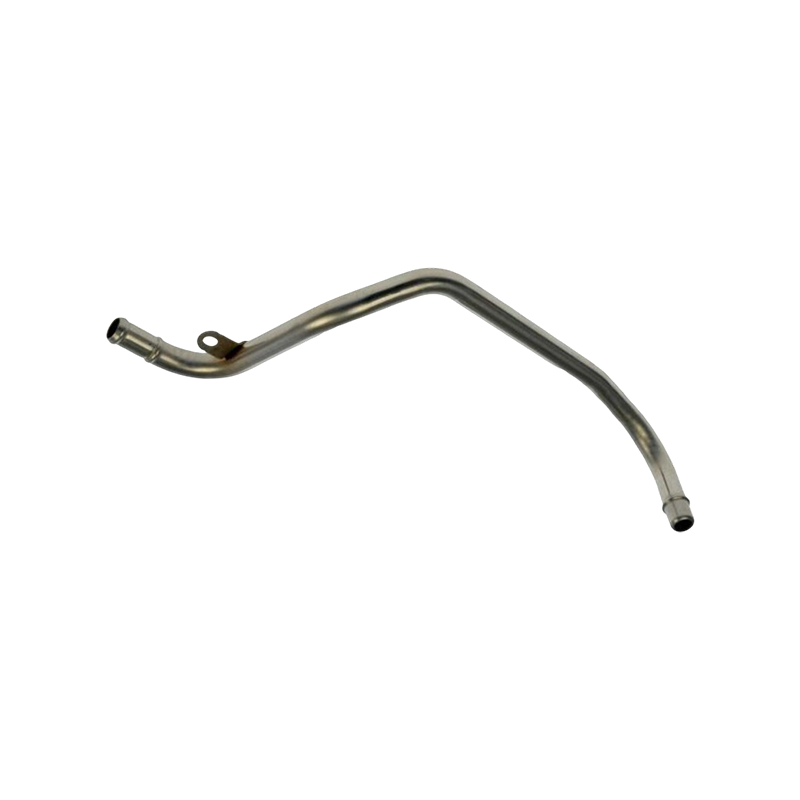
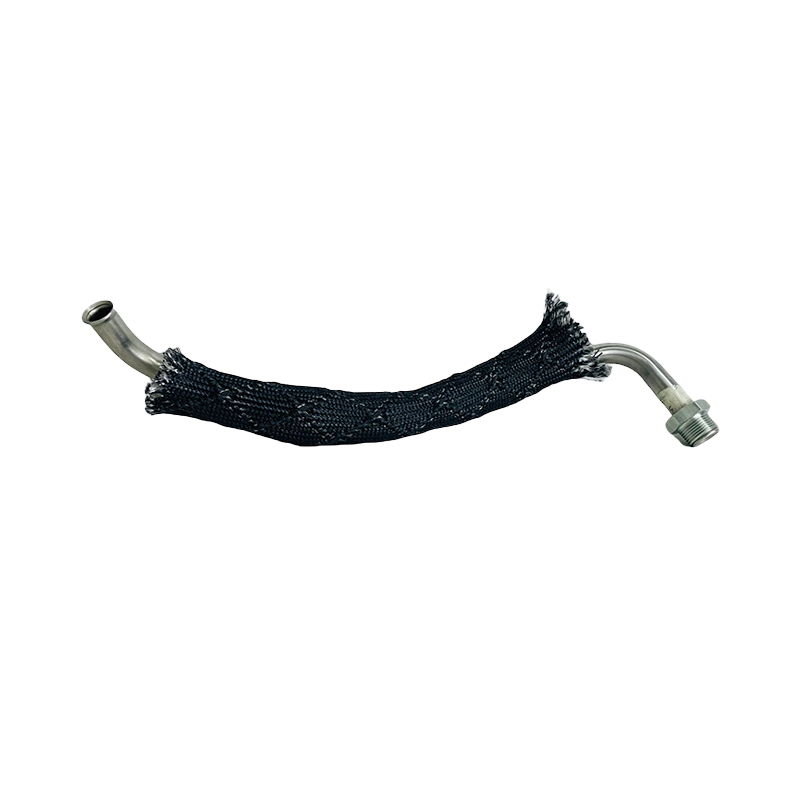
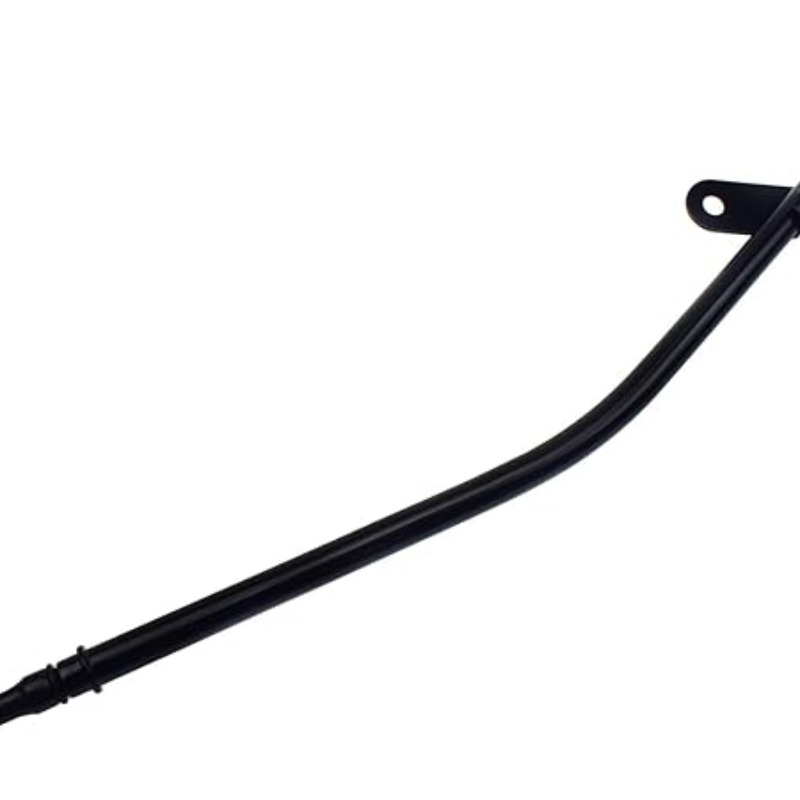
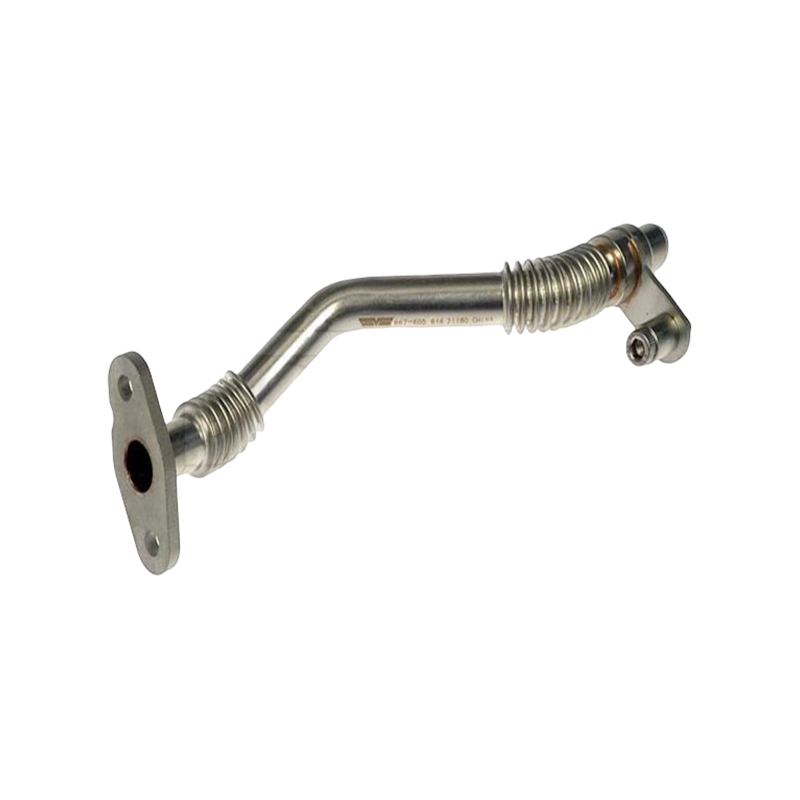
An EGR tube is the piping component of an automotive exhaust gas recirculation system that carries a portion of exhaust gas from the exhaust manifold back to the intake manifold, cooling it along the way so it can be reintroduced into the combustion chamber to lower peak combustion temperatures and reduce nitrogen oxide formation. The same part appears under several names in workshop manuals and supplier catalogs, including EGR pipe, automotive EGR tube, automotive EGR pipe, exhaust gas recirculation tube, and exhaust gas recirculation pipe.

Taken together with the cooler, valve, and mounting hardware, this piping is often described as an Automotive Exhaust Gas Recirculation (EGR) Line, an EGR line assembly, or an EGR tube assembly. Every version performs the same core task, moving a controlled amount of exhaust gas from the hot side of the engine to the intake side.

Exhaust gas recirculation is recognized as an effective way to control NOx emissions across nearly every class of diesel engine, from light duty passenger vehicles through medium and heavy duty trucks up to low speed marine engines, according to DieselNet, a widely referenced technical resource on diesel emissions technology.

How an Automotive EGR Line Works

The tube itself is passive, but it sits at the center of a control loop that links the exhaust side of the engine to the intake side. The sequence below outlines what happens as exhaust gas moves through a typical exhaust gas recirculation line.

Recirculation Flow Sequence

  1. The engine control unit signals the EGR valve to open based on load, speed, and temperature conditions.
  2. A portion of exhaust gas leaves the exhaust manifold and enters the inlet flange of the EGR tube.
  3. On cooled designs, the gas passes through a laser welded cooler core that removes a significant amount of heat before the gas continues downstream.
  4. During cold starts, a bypass valve can route gas around the cooler so the engine warms up faster.
  5. The cooled gas exits the outlet flange and mixes with the incoming air charge in the intake manifold.
  6. The added exhaust gas displaces some oxygen and absorbs heat during combustion, lowering peak cylinder temperature and reducing nitrogen oxide formation.

Engineering literature commonly describes a typical automotive engine as recirculating somewhere between 5 and 15 percent of total exhaust gas during normal operating conditions, with the exact rate managed continuously by the engine control unit based on real time operating data.

Core Structure of an Automotive EGR Line

Most Automotive Exhaust Gas Recirculation (EGR) Line assemblies share the same six functional parts. The numbers on the diagram below match the part list underneath it.

1 2 3 4 5 6

Part Reference

  1. Inlet Flange, Exhaust Side, bolts to the exhaust manifold or turbocharger outlet where gas first enters the line.
  2. EGR Cooler Housing, lowers exhaust gas temperature before it reaches the intake manifold.
  3. EGR Valve, Solenoid or Linear Actuator, opens and closes to meter how much exhaust gas recirculates.
  4. Internal Bypass Passage, allows gas to skip the cooler during cold start warm up.
  5. Outlet Flange, Intake Side, connects the cooled gas back into the intake manifold or charge air path.
  6. Mounting Bracket, secures the assembly against engine vibration and thermal expansion.

Common Configurations of EGR Line Assemblies

Engine layout, emission target, and duty cycle all influence which exhaust gas recirculation line configuration a given platform uses.

Common configurations of automotive EGR line assemblies used across passenger and commercial engines
Configuration Flow Path Cooling Best Suited For
High Pressure EGR Diverts gas before the turbocharger turbine Optional cooler, often compact Fast transient response, inline and V type engines
Low Pressure EGR Diverts gas after the turbocharger and particulate filter Typically cooled Broader operating range, dual circuit systems
Cooled EGR Line Assembly Routes gas through a laser welded cooler core Active coolant jacket High load diesel and heavy duty applications
Bypass EGR Line Assembly Includes a bypass valve that skips the cooler Cooling disabled during bypass Cold start warm up and low temperature operation

Why an Automotive Exhaust Gas Recirculation (EGR) Line Matters

Emissions control patent documentation describes a properly functioning EGR system as capable of reducing NOx emissions on the order of 50 percent, with combined reduction reaching as high as 95 percent when the base EGR system is paired with additional aftertreatment hardware, according to United States Patent 6742335, which describes an EGR control system and method for an internal combustion engine.

  • Lower Combustion Temperature - recirculated gas displaces oxygen and absorbs heat, reducing the conditions that form nitrogen oxides.
  • Emission Standard Support - a correctly functioning line helps the engine control unit keep NOx output within the calibration targets set for the platform.
  • Dual Circuit Flexibility - high pressure and low pressure circuits can work together to widen the usable recirculation range across engine speeds.
  • Cold Start Adaptability - a bypass valve lets the system skip cooling when rapid engine warm up matters more than NOx control.
  • Response Precision - solenoid or linear valves with 50 to 100 millisecond opening and closing times allow tight coordination with engine control unit commands.

Symptoms of a Failing EGR Tube

A damaged or restricted automotive EGR tube tends to produce a recognizable set of drivability symptoms rather than a single obvious warning sign.

  • An illuminated check engine light tied to an EGR flow related diagnostic code.
  • Rough, uneven, or unstable idle, particularly right after startup.
  • A noticeable drop in fuel economy over normal driving conditions.
  • A smell of exhaust inside the cabin, especially with the windows closed.
  • Light knocking or pinging under load caused by incorrect exhaust gas recirculation flow.
  • Visible soot, staining, or residue around pipe joints, flanges, or the cooler housing.

Why EGR Tubes Crack, Leak, or Clog

Cracking

Repeated thermal cycling between hot exhaust gas and cooler ambient conditions creates expansion and contraction stress on the metal and on weld joints. Over enough cycles, this fatigue can produce hairline cracks, most often near the cooler section or a flange connection.

Leaking

Leaks usually start at flange gaskets, welded seams, or an existing crack. Corrosion from condensation mixing with exhaust byproducts can accelerate gasket wear at joints that see frequent temperature swings.

Clogging

Carbon and soot naturally form as exhaust gas cools inside the tube. Over time these deposits can build up along the internal walls and around the valve seat, narrowing the passage and restricting how much gas can recirculate even when the valve commands a normal opening.

Data Behind EGR Emission Control Technology

The figures below summarize publicly available research and technical documentation related to exhaust gas recirculation systems and their role in emissions control.

NOx Reduction Potential by Emission Control Approach

The chart below illustrates commonly referenced NOx reduction ranges for EGR systems used alone versus EGR combined with additional aftertreatment hardware.

No EGR System 0% EGR System Alone up to 50% EGR Plus Aftertreatment up to 95%

Illustrative NOx reduction ranges referenced in automotive emissions engineering and patent literature, United States Patent 6742335, actual results vary by engine and calibration

Automotive EGR System Market Growth Trajectory

Independent market research points to steady, continued demand for EGR system components as regulators keep NOx limits in place across diesel and gasoline platforms.

$4B $6B $8B 2025 2026 2027 2028 2029 2030 2031 2032

Source: 360iResearch, Automotive EGR System Market Size and Share report, 2025 to 2032, based on a 7.19 percent CAGR

Market Size Milestones

Viewed as milestones rather than a continuous trend, the same market research shows the scale of growth expected between the current period and the end of the forecast window.

$4.51B 2025 $5.55B 2028 Est. $7.34B 2032 Est.

Source: 360iResearch, Automotive EGR System Market Size and Share report, 2028 figure interpolated from the reported 7.19 percent CAGR

High Pressure EGR Compared With Low Pressure EGR

The chart below is a general engineering comparison of typical circuit characteristics rather than a figure pulled from a market report.

Response Speed Cooling Pressure Control Packaging Durability High Pressure EGR Low Pressure EGR

General engineering comparison of typical HP-EGR and LP-EGR circuit characteristics, not a cited data source

Choosing a Replacement EGR Tube or Line Assembly

Matching a replacement part to the original layout and duty cycle avoids repeat failures. The factors below are worth checking before ordering a Stainless Steel EGR Tube or a complete EGR line assembly.

  • Material Grade - 304 or 316L stainless steel or an equivalent high strength alloy resists corrosion and repeated high temperature cycling better than mild steel.
  • Flange Compatibility - bolt pattern, gasket surface, and orientation need to match the exhaust manifold and intake manifold connection points exactly.
  • Cooler Integration - a laser welded cooler core with good corrosion resistance helps the line hold up under sustained high load operation.
  • Valve Response Time - solenoid or linear valves rated around 50 to 100 milliseconds support precise engine control unit coordination.
  • Modular Connectors - standardized quick release clips simplify future on site assembly and maintenance work.
  • Routing Match - inline and V type engine layouts often need different pipe routing, so confirm the assembly fits the engine configuration on hand.

Best Practices for Replacing an EGR Tube

A consistent replacement sequence reduces the chance of a repeat leak or an incorrectly seated gasket.

  1. Let the engine cool completely before disconnecting any exhaust gas recirculation line components.
  2. Inspect the flange surfaces on both the exhaust manifold and intake manifold sides for damage or heavy carbon buildup.
  3. Remove the old tube along with any mounting brackets, then clean the mating surfaces thoroughly.
  4. Fit new gaskets at each flange connection rather than reusing the originals.
  5. Install the replacement EGR tube assembly, aligning the cooler orientation and bypass valve as specified for the platform.
  6. Torque the flange fasteners in the sequence and value specified for the engine, then reconnect any electrical connectors for the valve.
  7. Clear any stored diagnostic codes and confirm normal EGR flow readings during a road test.

Maintenance Tips to Prevent Premature EGR Tube Failure

Most premature EGR failures trace back to carbon buildup or repeated thermal stress, both of which respond well to routine attention.

  • Follow the recommended interval for inspecting or cleaning carbon deposits from the valve and tube interior.
  • Address a rough idle or an EGR related diagnostic code promptly rather than letting a minor restriction worsen.
  • Check flange gaskets and mounting brackets periodically for early signs of leakage or fatigue cracking.
  • Keep the cooling system in good condition, since coolant flow to the EGR cooler affects how efficiently it lowers exhaust gas temperature.
  • Use fuel and oil that meet the engine manufacturer specification to help limit excess soot formation.

Common EGR Tube Problems and Fixes

Most complaints about an automotive EGR pipe fall into one of a few recurring categories.

Frequent problems reported with automotive EGR tubes and typical corrective steps
Symptom Likely Cause Recommended Fix
Check engine light with an EGR flow code Restricted flow from carbon buildup or a stuck valve Inspect and clean the valve and tube interior, then clear the code
Exhaust smell near the engine bay Leaking flange gasket or a stress crack Inspect flange surfaces and replace the gasket or damaged section
Rough idle after cold start Bypass valve stuck open or closed Test bypass valve operation and replace if it fails to actuate
Reduced fuel economy Incorrect recirculation rate from a clogged or leaking line Verify EGR flow readings against specification and repair as needed
Visible cracking near the cooler section Thermal cycling fatigue over time Replace the affected tube or cooler section with a matching assembly

Where Automotive EGR Lines Are Used

Exhaust gas recirculation line assemblies appear across a wide range of internal combustion platforms that need to manage NOx output.

  • Passenger Vehicles - both diesel and gasoline engines use EGR lines to help meet NOx targets during normal driving conditions.
  • Light and Heavy Duty Trucks - cooled EGR line assemblies support sustained high load operation over long duty cycles.
  • Off Highway and Construction Equipment - EGR line assemblies help diesel engines in this category manage NOx across variable load conditions.
  • Marine Diesel Engines - low speed marine applications use EGR technology as part of broader NOx control strategies.
  • Industrial Generator Sets - stationary diesel engines rely on similar recirculation principles to manage combustion temperature and emissions.

About JIATIAN

JIATIAN is a manufacturer of Automotive Exhaust Gas Recirculation (EGR) Line assemblies based in Wanhou, Zhanqi Town, Yinzhou District, Ningbo City, roughly 25 kilometers from Ningbo Liushi Airport and about 5 kilometers from the Ningbo Coastal Industrial Zone. The company was established on the foundation of Ningbo Xingxin Metal Products Factory, which dates back to 1995, and today focuses on the production of automotive pipe fittings across a company footprint of about 32,000 square meters, including roughly 26,000 square meters of factory floor.

Product lines cover short path EGR tube designs intended to reduce pressure drop and improve system response, laser welded cooler cores with bypass valve options for faster cold start warm up, and modular piping built around standardized connectors and quick release clips for easier on site assembly. Main piping is produced from 304 or 316L stainless steel or high strength alloys, with solenoid or linear valve options rated for 50 to 100 millisecond opening and closing times to support precise engine control unit coordination. Routing options accommodate inline and V type engine layouts, including dual circuit designs that combine high pressure and low pressure EGR.

Frequently Asked Questions

  • What is an EGR tube?

    An EGR tube is the piping component in an automotive exhaust gas recirculation system that carries a portion of exhaust gas from the exhaust manifold back to the intake manifold.

  • What does an EGR tube do?

    It routes and often cools a metered amount of exhaust gas so the recirculated gas lowers peak combustion temperature and reduces nitrogen oxide formation.

  • What is an EGR pipe?

    EGR pipe is another name for the same component, an automotive EGR tube that connects the exhaust side of the engine to the intake side.

  • How does an EGR tube work?

    The EGR valve opens to let exhaust gas enter the tube, the gas passes through a cooler section if equipped, then flows into the intake manifold where it mixes with the incoming air charge.

  • What are the symptoms of a bad EGR tube?

    Common symptoms include an illuminated check engine light, a rough idle, an exhaust smell in the cabin, reduced fuel economy, and visible soot near the pipe joints.

  • What happens if an EGR tube cracks?

    A cracked tube can leak exhaust gas before it reaches the intake manifold, which upsets the air fuel mixture and can trigger a check engine light.

  • Can an EGR tube leak?

    Yes, leaks typically develop at flange gaskets, welded seams, or cracked sections caused by repeated heating and cooling cycles.

  • Can an EGR tube get clogged?

    Yes, carbon and soot deposits can build up inside the tube and around the valve over time, narrowing the passage and restricting flow.

  • Why does an EGR tube crack?

    Repeated thermal cycling between hot exhaust gas and cooler ambient conditions creates expansion and contraction stress that can fatigue the metal or weld joints.

  • Why is my EGR pipe leaking?

    A leaking pipe is usually the result of a worn flange gasket, a stress crack from thermal cycling, or corrosion at a joint exposed to condensation.

  • Can a bad EGR tube cause a check engine light?

    Yes, the engine control unit monitors EGR flow and will typically set a check engine light if the tube leaks, clogs, or otherwise falls outside expected limits.