

 English
 Español
Fuel Line Inspection: How to Spot Leaks, Rust, and Pressure Loss Before Failure
Content
- 1 What a Fuel Line Inspection Actually Covers
- 2 Warning Signs That Justify an Immediate Inspection
- 3 Know Your System Pressure Before You Test It
- 4 The Five-Step Inspection Procedure
- 5 Where Fuel Lines Fail First
- 6 Inspection Intervals and Replacement Triggers
- 7 Choosing a Replacement Line That Fits
- 8 Frequently Asked Questions About Fuel Line Inspection
- 8.1 Q1. How often should fuel lines be inspected?
- 8.2 Q2. What does a fuel line leak smell like, and where does it show first?
- 8.3 Q3. Is it safe to drive with a leaking fuel line?
- 8.4 Q4. Can I run a fuel pressure test at home?
- 8.5 Q5. How much does fuel line replacement cost?
- 8.6 Q6. Do diesel injector lines fail differently from gasoline lines?
Two drops of gasoline on the garage floor the morning after a fill-up is not a small annoyance. It is an early warning, and it is the cheapest moment you will ever have to deal with it. A basic fuel line inspection takes 20 to 30 minutes on ramps with a flashlight, a clean white rag, and a fuel pressure gauge.
Here is the conclusion first. If a line is wet, chalky, or pitted, replace that section — tape and extra hose clamps do not fix a fuel line. If everything looks dry but the vehicle is over 10 years old, has passed 100,000 miles, or spends its winters in a road-salt state, add a pressure and leak-down test to the next service visit. The rest of this guide explains what the inspection actually covers, what pressures you are testing against, and which parts of the system tend to fail first.
What a Fuel Line Inspection Actually Covers
A fuel line is rarely just one hose. On a typical vehicle the fuel path runs from the tank and sending unit, through an inline filter, along a rigid line clipped to the frame, into a flexible hose in the engine bay, and finally into the fuel rail and the injector feed pipes. Each link fails for its own reason, so an inspection that only looks at the rubber under the hood misses most of the system.
| Component | Typical material | Common failure | Best check |
|---|---|---|---|
| Rigid line along the frame | Coated steel or nylon | Outside-in rust pitting; chafing under clips | Wipe with a rag; look under every retaining clip |
| Flexible hose at tank and engine | Rubber, SAE J30 R7, R9, R10 | Hardening, cracking at the crimp, permeation odor | Flex gently; inspect crimps and end fittings |
| Quick-connect fittings | Nylon or steel with O-rings | Flattened O-rings; tired retainer clips | Pressurize and watch for weeping at the joint |
| Injector feed pipes | High-pressure steel | Vibration fatigue; cracked flare or nut seat | Leak-down test; look for weep at the nut |
| Fuel rail and regulator | Aluminum or steel | Seal pitting; diaphragm failure | Engine-off pressure test and hold time |
| Filler neck and vent hose | Rubber or steel | Vapor leak that only shows after a top-off | Inspect and sniff right after refuelling |
Warning Signs That Justify an Immediate Inspection
Most fuel line failures announce themselves before they become a fire risk. When any of the following shows up, treat the check as a diagnosis rather than as routine maintenance.
- A raw gasoline smell that appears only after a fill-up, which usually points to the filler neck, the vent hose, or the sending unit gasket.
- A fuel smell in the engine bay at idle, which points to a weeping crimp or a loose injector line nut rather than a burst hose.
- Dark stains or damp patches along a frame rail, especially around the plastic clips that hold the hard line.
- Long cranking before the engine catches, followed by a rough idle — the classic signature of rail pressure bleeding off overnight.
- Lean or evaporative codes such as P0171 or P0455 that keep returning after they are cleared.
- Rust bloom, flaking undercoating, or bubbling paint anywhere on a steel line.
Know Your System Pressure Before You Test It
The right test depends entirely on the system you are working on. A low-pressure feed on a carbureted or throttle-body engine runs at a few psi, port fuel injection sits in the 40 to 60 psi band, and a gasoline direct injection rail climbs from roughly 500 psi at idle to well over 2,000 psi under load. Common-rail diesel is in a different category: Bosch's common-rail documentation describes system pressures reaching 2,000 bar, close to 29,000 psi.
Two practical consequences follow. First, match the gauge to the system: a 100 psi gauge is the right tool for port injection and the wrong tool for a common-rail engine. Second, low-pressure gasoline systems lose far less fluid than owners expect, so a failing line often shows up as a smell or a stored lean code long before a visible drip forms. A pressure gauge and a smoke machine find what a flashlight alone cannot.
That 29,000 psi figure also explains one hard rule: never crack an injector feed line nut on a running common-rail diesel to bleed the system. The jet from a pressurized line can penetrate skin, and the same vibration that loosens a nut is what eventually fatigues the line itself. High-pressure injector lines fail at the flare and the nut seat rather than in the middle of the pipe, which is why a leak-down test and a close look at the fittings matter more than a general visual pass.
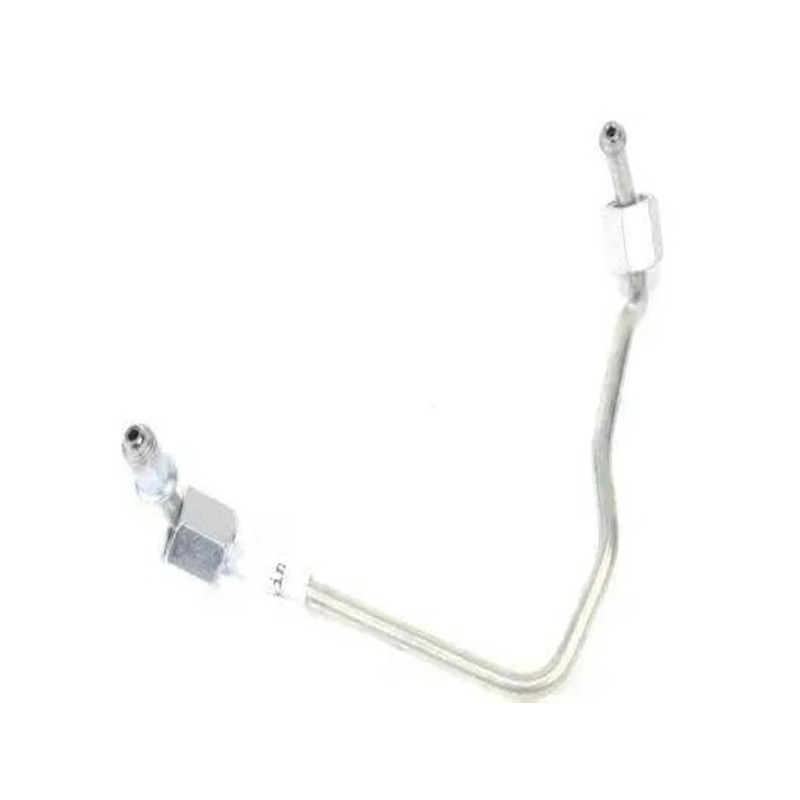 Optimize Fuel System Integrity with a Precision Diesel Injection Line (OE# 98063063)Precision-engineered replacement for OE# 98063063. This diesel injection line ensures optimal fuel pressure, prevents power loss, and guarantees a leak-free system. OE...View Product →
The Five-Step Inspection Procedure
- Cool it down and release pressure. Work on a cold engine in a ventilated area, away from water heaters and anything with a pilot light. Pull the fuel pump fuse or relay, then crank until the engine stalls so only residual pressure remains in the line.
- Wipe the whole route with a white rag. Gasoline leaves a faint brown ring on cloth even when the leak is a slow weep that evaporates before it reaches the floor. Run the rag along each hard line, around every retaining clip, over the filler neck, and along the flexible hose where the crimp meets the rubber.
- Pressurize and watch the gauge. Reinstall the fuse, connect a gauge to the rail test port, and key on without starting. Compare the reading against the specification for your engine; a system that primes well below spec suggests a weak pump or a leak upstream.
- Run a leak-down test. Note the pressure, then watch the gauge for five to twenty minutes with the engine off. A healthy port-injection system holds most of its pressure, while a decay of more than a few psi in the first five minutes points to a leaking injector, a failed check valve, or a line that weeps only under pressure.
- Chase vapor leaks with smoke if the pressure side is clean. Sealed fuel systems monitor themselves through the tank pressure sensor, which is why a stubborn P0455 or P0456 usually means the vapor side. Smoke introduced at the filler neck or the service port will reveal a cracked vent hose in under a minute.
Read the curve before you buy parts. A system that holds pressure and still runs lean usually has a delivery problem on the pump side rather than a leak. A system that bleeds down quickly points to a check valve, an injector, or a weeping line, and the next step is to isolate the section instead of replacing the whole run.
Where Fuel Lines Fail First
Material choice decides where the first failure appears, and the pattern is consistent enough to guide an inspection.
- Coated steel hard line: corrosion starts on the outside, under the plastic clips and in the bend behind the rear wheel where road salt and grit collect. Pitting that has begun to flake is a replacement, not a repaint.
- Nylon line: popular on newer vehicles because it resists permeation and does not rust. It fails by chafing against a bracket, by turning brittle near exhaust heat, and by cracking at a bend that has been flexed repeatedly during filter changes.
- Rubber hose: SAE J30 R7 is intended for low-pressure feed, while R9 and R10 are the low-permeation grades used for fuel injection. A hose that feels stiff, squeaks when twisted, or shows fine cracks in the outer cover is past its service life even if it is not leaking yet.
- Stainless braided and PTFE lines: the braid hides the inner hose, so inspection has to look for abrasion, fretting against a manifold, and fuel staining at the crimp collar.
- Fittings and clips: quick-connect O-rings flatten with age, and a plastic retainer that has lost tension can hold at idle and release under load.
When a hard line is pitted beyond cleaning, splicing in a short section is rarely worth the labour. A direct-fit replacement run restores the full line, keeps the original mounting points, and removes the extra joints that become the next leak path.
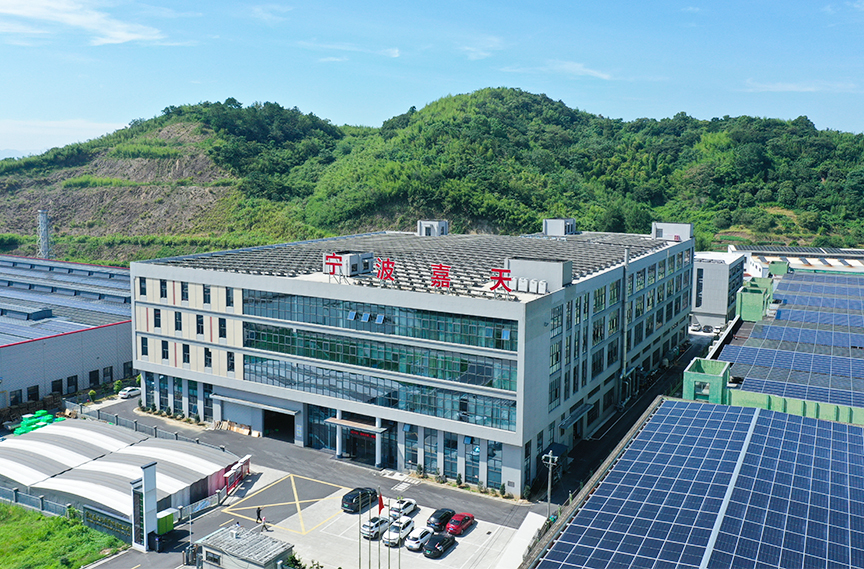 Automotive Fuel Supply Line Supplierinformation to be updatedView Product →
Inspection Intervals and Replacement Triggers
No single factory interval fits every vehicle, but the field pattern is consistent enough to be useful when you build a schedule.
| Vehicle profile | Visual check | Pressure and leak-down test |
|---|---|---|
| Daily driver under 100,000 miles | Annually, or at every other oil change | Only when drivability changes |
| Over 100,000 miles or 10-plus years | Twice a year | Every two years, or at the first hard start |
| Road-salt region | Before and after winter | Every two years; annually after year eight |
| Common-rail diesel | At every fuel filter service | At any power loss or fuel odour |
| Seasonally stored vehicle | Before and after storage | Before the first long trip of the season |
Three findings justify replacement rather than monitoring: wetness that returns after being wiped clean, pitting deep enough to catch a fingernail, and a leak-down result that keeps decaying after the pump has been ruled out. If the same repair also involves the injector side, the same logic applies there — the guide on choosing the right fuel injector pipe for your engine covers matching length, bend angle, and pressure rating to the original part.
Choosing a Replacement Line That Fits
Fit is the whole point of an OE replacement. A line that is 10 mm short will pull against its clip, and a flare that is a few degrees off will weep at the nut no matter how carefully it is torqued. The safest approach is to match the original part number, the material, and the mounting hardware rather than comparing photos on a screen.
For buyers sourcing in volume, the supplier's process matters as much as the catalogue number. Ningbo Jiatian Automobile Pipe has been forming metal tube assemblies since 1995, working from a 32,000 square metre site in Ningbo with in-house CNC bending, brazing furnaces, 800T hydroforming, laser welding, and a metrology lab — the same processes that produce OE-matched replacement lines for the aftermarket.
Automotive Fuel Line Manufacturerinformation to be updatedView Product →Frequently Asked Questions About Fuel Line Inspection
Q1. How often should fuel lines be inspected?
At least once a year on a vehicle under 100,000 miles, and twice a year once it passes 10 years of age or runs in a road-salt region.
Q2. What does a fuel line leak smell like, and where does it show first?
Raw gasoline, strongest right after refuelling or during the first minute of a cold start. The first visible sign is usually a brown stain at a crimp, not a puddle.
Q3. Is it safe to drive with a leaking fuel line?
No. Liquid fuel can drip onto hot exhaust parts, and a vapour leak near the tank is a fire risk even when nothing reaches the floor. Repair it before driving again.
Q4. Can I run a fuel pressure test at home?
Yes, on a port-injection gasoline engine: a 100 psi gauge at the rail test port covers most applications. Common-rail diesel is not a do-it-yourself pressure test.
Q5. How much does fuel line replacement cost?
Labour drives the bill, not the part. A short engine-bay hose is quick; a rigid line that runs over the tank may require dropping the tank, which multiplies the time.
Q6. Do diesel injector lines fail differently from gasoline lines?
Yes. Diesel injector lines are thick-walled steel and fail from vibration fatigue and flare cracking rather than rust-through or permeation, often with a misfire at idle.
Our Main Products
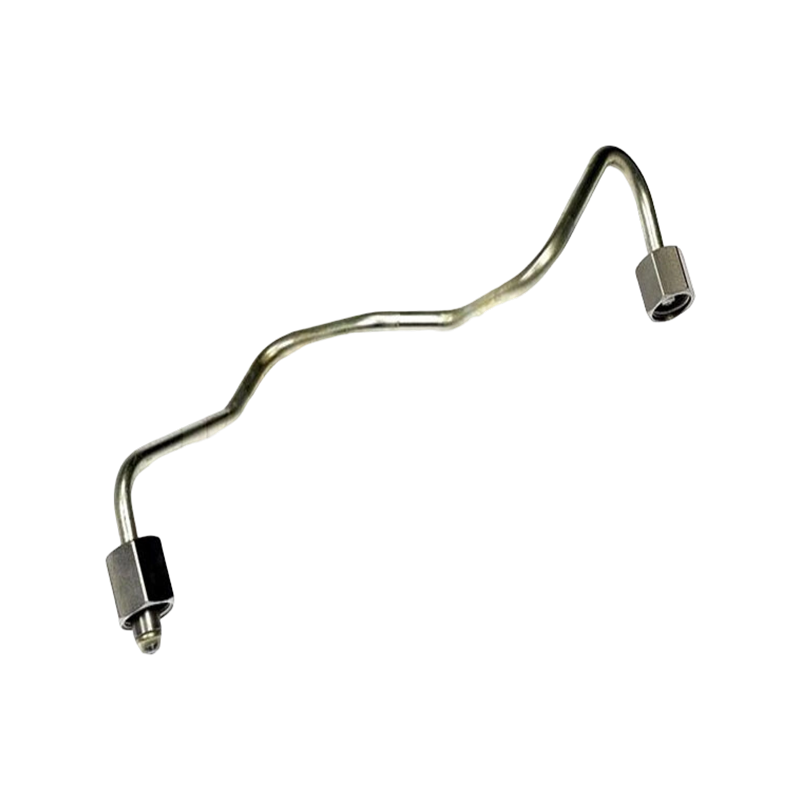
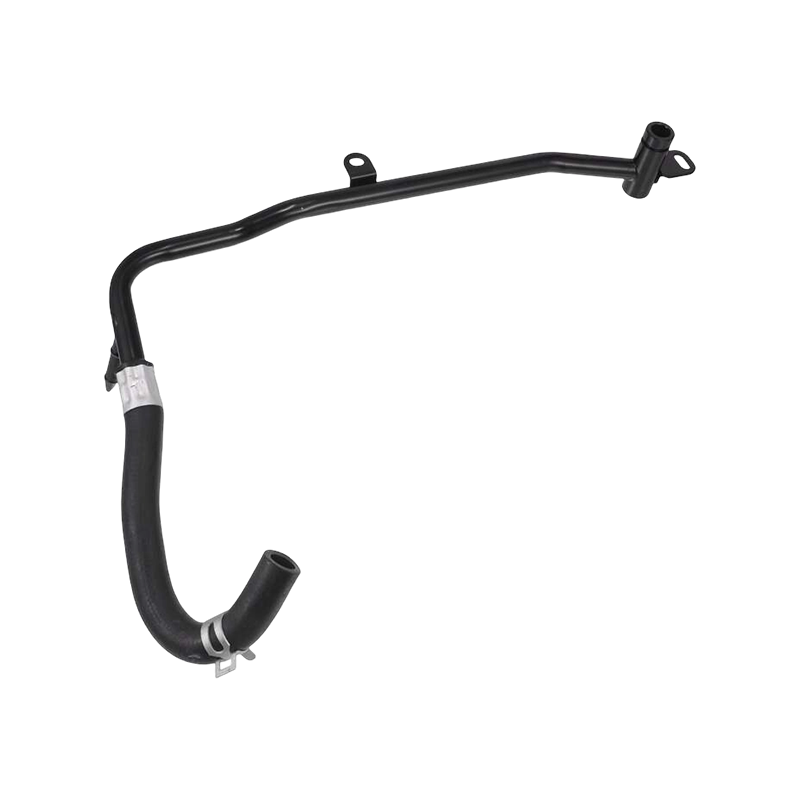
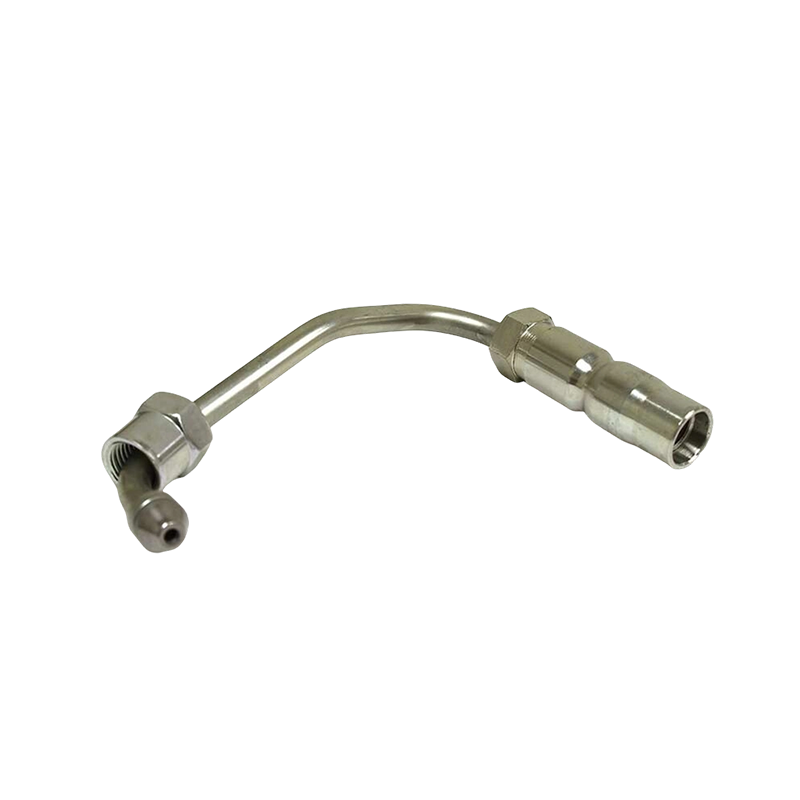
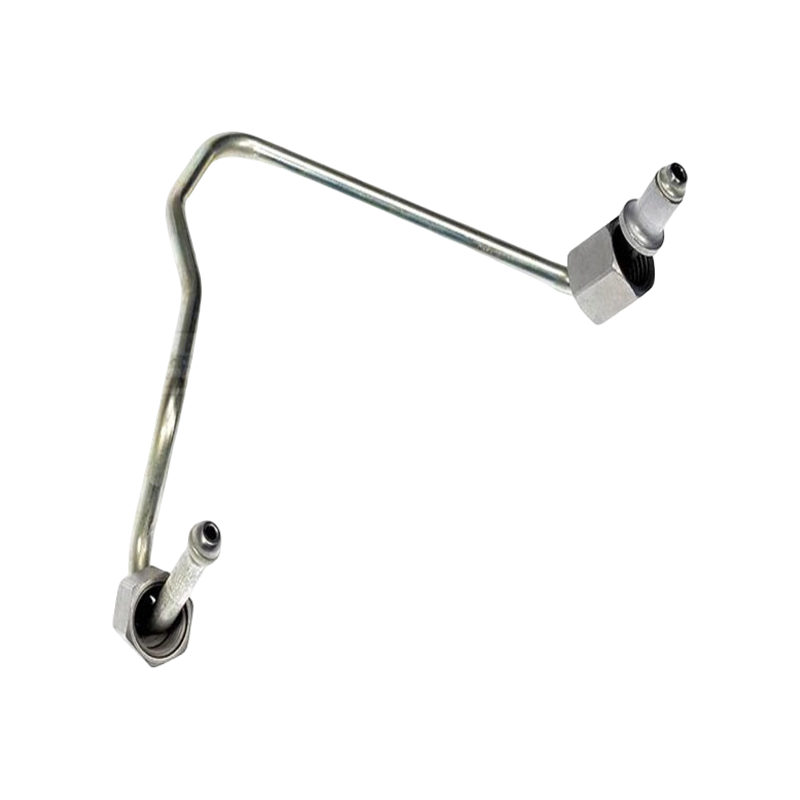

 Contact Us
+86-138 0586 3066
+86-574 8840 6311
 Products
 Send An E-mail
 Mobile
Copyright ©NINGBO JIATIAN AUTOMOBILE PIPE CO.,LTD. All Rights Reserved.
 China's Premium Automotive Tube Factory
Custom Automotive Pipe Fittings Supply
privacy
China's Premium Automotive Tube Factory
Custom Automotive Pipe Fittings Supply
privacy