

 English
 Español
What Is an Engine Oil Dipstick Tube?
Content
- 1 What Is an Engine Oil Dipstick Tube
- 2 Core Functions of the Dipstick Tube
- 3 Steel, Stainless Steel and Flexible Dipstick Tube Materials
- 4 Durability Factors That Extend Service Life
- 5 Signs a Dipstick Tube Needs Replacement
- 6 How to Remove and Install a Dipstick Tube
- 7 Comparing Dipstick Tube Types Side by Side
- 8 Applications Across Vehicle and Equipment Types
- 9 About the Manufacturer
- 10 Frequently Asked Questions
- 10.1 Q1. Which oil dipstick tube fits my engine
- 10.2 Q2. Can I replace only the dipstick tube
- 10.3 Q3. How long does an oil dipstick tube last
- 10.4 Q4. What material is best for oil dipstick tubes
- 10.5 Q5. Are oil dipstick tubes universal
- 10.6 Q6. Can a bent dipstick tube be repaired
- 10.7 Q7. Can you replace an oil dipstick tube
- 10.8 Q8. How to remove a broken dipstick tube
- 10.9 Q9. How to install a new dipstick tube
- 10.10 Q10. How much maintenance does a dipstick tube need
What Is an Engine Oil Dipstick Tube
An engine oil dipstick tube is the cylindrical guide tube installed into the engine oil pan that holds the oil dipstick and gives technicians a stable, sealed channel to check oil level and oil condition. An automotive engine oil dipstick tube also often supports oil filling or draining in certain engine designs, making it a small component with an outsized role in everyday engine maintenance. The tube runs from an opening near the top of the engine block down into the oil pan, keeping the dipstick aligned in the same position every time it is inserted so oil level readings stay consistent.
Beyond simply guiding the dipstick, the tube forms a sealed pathway that keeps dirt, moisture and debris away from the oil supply. This function matters across passenger cars, commercial trucks, generator sets and construction machinery, anywhere an engine needs a reliable, repeatable way to monitor oil level and oil quality during routine checks.
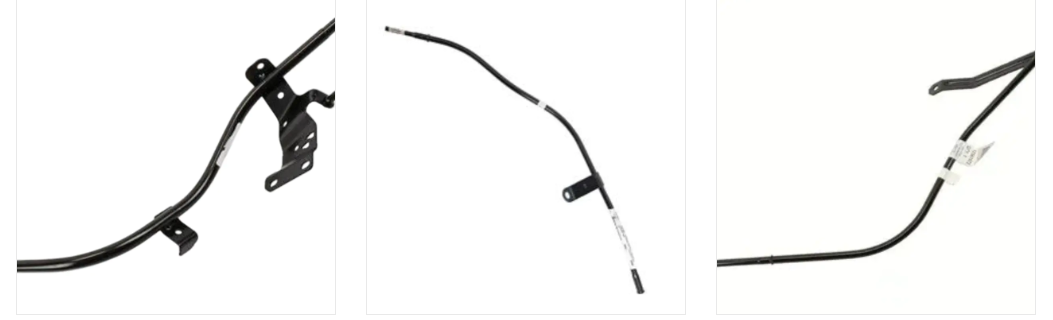
Core Functions of the Dipstick Tube
A well designed engine oil dipstick tube does more than hold a dipstick in place. It performs several supporting roles that protect the engine and simplify maintenance.
- Oil level detection channel, giving a stable insertion point for accurate readings once the engine has cooled
- Contamination prevention, using a sealing ring and corrugated end to block foreign matter and moisture from the oil pan
- Oil filling or draining support, with some designs including a filler port or drain valve at the tube end
- Structural durability, built from corrosion resistant material to withstand extended, high heat operation
- Simplified replacement, using threaded or snap on connections suited to different engine layouts
Steel, Stainless Steel and Flexible Dipstick Tube Materials
Material choice affects how well a dipstick tube resists heat, vibration and corrosion over years of engine operation. Three material families cover most applications on the market today.
| Material Type | Corrosion Resistance | Typical Application |
|---|---|---|
| Steel Oil Dipstick Tube | Moderate | Standard passenger and light commercial engines |
| Stainless Steel Dipstick Tube | High | Heavy duty trucks, generator sets, harsh environments |
| Flexible Dipstick Tube | Moderate to High | Tight engine bays with routing constraints |
Figure 1: Illustrative comparison of corrosion resistance across common dipstick tube material types
Stainless steel dipstick tubes generally offer the strongest long term resistance to rust and pitting, which is why they appear frequently on generator sets and construction machinery that operate in demanding outdoor conditions. Standard steel tubes remain a practical, widely used option for everyday passenger vehicle applications, while flexible dipstick tubes solve routing challenges in engine bays where a rigid tube path is not practical.
Durability Factors That Extend Service Life
A dipstick tube sits close to engine heat and constant vibration for the life of the vehicle, so a few construction details make a measurable difference in how long it lasts before needing replacement.
Sealing and Contamination Control
The sealing ring at the top of the tube and the corrugated section near the base work together to keep moisture and road debris from tracking into the oil pan. A worn or missing seal is one of the more common reasons oil contamination shows up during routine checks, even when the oil itself was recently changed.
Heat and Vibration Resistance
Because the tube sits near the block and the exhaust path on many engine layouts, high temperature tolerance matters as much as material strength. Tubes built with corrosion resistant material and a snug mounting fit hold their shape and position through years of thermal cycling, which keeps the dipstick reading accurate over time.
Signs a Dipstick Tube Needs Replacement
Most dipstick tube problems show clear warning signs before they cause bigger maintenance headaches. Recognizing these early keeps oil checks accurate and prevents contamination from reaching the oil pan.
- The dipstick feels loose or wobbles noticeably when inserted into the tube
- Oil residue or seepage appears around the base where the tube meets the oil pan
- The tube shows visible bending, denting or cracking along its length
- The dipstick becomes difficult to insert or remove smoothly
- Dirt or moisture appears inside the tube opening after cleaning
Figure 2: Illustrative seal effectiveness pattern over years of service between tube material types
How to Remove and Install a Dipstick Tube
Replacing a dipstick tube is a manageable task on most engines once the old tube has been located and freed from its mounting point. A broken or seized tube generally needs a careful, methodical removal process rather than force.
Removing a Broken Dipstick Tube
- Locate the mounting point at the block or valve cover and confirm whether the tube is threaded, snap fit or bolted
- Apply gentle rocking pressure while pulling upward if the tube is press fit into the pan
- Remove the retaining bolt or bracket first if the tube is secured with a fastener
- Clean the mounting bore thoroughly once the old tube is out to remove debris or old sealant
Installing a New Dipstick Tube
- Confirm the replacement tube matches the original length, diameter and mounting style
- Fit a new sealing ring onto the tube before installation to maintain a clean seal
- Guide the tube into the pan opening evenly to avoid bending the lower end
- Secure the upper mounting point according to the original threaded or snap on design
- Insert the dipstick and confirm it seats fully and reads accurately before closing up the engine bay
Comparing Dipstick Tube Types Side by Side
Choosing between steel, stainless steel and flexible construction comes down to weighing a few practical measures against the engine environment the tube will serve.
Figure 3: Comparative performance across five practical measures on a relative scale
Stainless steel tubes tend to lead on heat and corrosion resistance, which suits heavy duty and outdoor equipment applications, while flexible tubes gain an advantage in routing through tight or irregular engine bay layouts where a rigid tube shape is harder to fit.
Applications Across Vehicle and Equipment Types
An automotive oil dipstick tube appears across a wide range of powertrain platforms, with material and shape often adjusted to suit the specific engine layout.
| Equipment Type | Typical Tube Consideration |
|---|---|
| Passenger Cars | Compact steel or flexible tube fitted to tight engine bay space |
| Commercial Trucks | Reinforced steel or stainless steel tube for extended duty cycles |
| Generator Sets | Stainless steel tube supporting outdoor exposure and vibration |
| Construction Machinery | Heavy duty tube resistant to dust, moisture and constant motion |
Figure 4: Illustrative distribution of dipstick tube usage across common equipment categories
About the Manufacturer
As a China Automotive Engine Oil Dipstick Tube Manufacturer and Automotive Engine Oil Dipstick Tube Factory, the company is based in Wanhou, Zhanqi Town, Yinzhou District, Ningbo City, an area with convenient transportation links roughly 25 kilometers from Ningbo Lishe Airport and close to the Ningbo Coastal Industrial Zone. The business grew out of Ningbo Xingxin Metal Products Factory, established in 1995, and today operates as a high-tech enterprise specializing in automotive pipe fittings across a 32,000 square meter site with 26,000 square meters of factory floor space.
Production equipment includes CNC fully automatic pipe bending machines, large-scale brazing furnace assembly lines, hydraulic internal forming machines covering diameters from 10 to 80 millimeters, an 800 ton hydraulic water expansion machine, fully automatic laser welders, welding robots and large-scale machining centers, supported by an in-house research and testing laboratory. As an oil dipstick tube manufacturer and oil dipstick tube supplier, the team also produces OEM oil dipstick tube solutions alongside its core automotive corrugated pipe manufacturing, applying water expansion corrugated pipe technology developed to a high standard within the industry.

Frequently Asked Questions
-
Q1. Which oil dipstick tube fits my engine
Match the replacement to the original tube length, diameter and mounting style, since layouts vary noticeably between engine models.
-
Q2. Can I replace only the dipstick tube
Yes, the tube can typically be replaced on its own without needing to replace the dipstick itself or other surrounding components.
-
Q3. How long does an oil dipstick tube last
Service life depends on material and operating conditions, with stainless steel tubes generally holding seal effectiveness longer than standard steel under the same conditions.
-
Q4. What material is best for oil dipstick tubes
Stainless steel offers the strongest corrosion resistance for demanding environments, while standard steel and flexible tubing suit many everyday passenger vehicle applications well.
-
Q5. Are oil dipstick tubes universal
No, tubes are engine specific in length, diameter and mounting style, so matching the original part configuration is important before ordering a replacement.
-
Q6. Can a bent dipstick tube be repaired
Minor bends are sometimes straightened, but a tube with structural denting or cracking is generally better replaced to maintain a proper seal.
-
Q7. Can you replace an oil dipstick tube
Yes, most dipstick tubes use threaded or snap on connections designed specifically to make replacement straightforward.
-
Q8. How to remove a broken dipstick tube
Identify the mounting style first, then use gentle rocking pressure or remove the retaining fastener before clearing the mounting bore of debris.
-
Q9. How to install a new dipstick tube
Fit a new sealing ring, guide the tube evenly into the pan opening, secure the upper mount, and confirm the dipstick reads accurately once installed.
-
Q10. How much maintenance does a dipstick tube need
Routine visual checks for seal condition and secure mounting are usually enough, with replacement only needed when wear signs appear.
Our Main Products

 Contact Us
+86-138 0586 3066
+86-574 8840 6311
 Products
 Send An E-mail
 Mobile
Copyright ©NINGBO JIATIAN AUTOMOBILE PIPE CO.,LTD. All Rights Reserved.
 China's Premium Automotive Tube Factory
Custom Automotive Pipe Fittings Supply
privacy
China's Premium Automotive Tube Factory
Custom Automotive Pipe Fittings Supply
privacy