

 English
 Español
Fuel Hose Ratings Explained: Comparing SAE 30R6, 30R7, 30R9, and 30R10
Content
- 1 What Do Fuel Hose Ratings Actually Mean?
- 2 30R6 vs 30R7 vs 30R9: How to Choose the Right Grade
- 3 Ethanol and Modern Fuel Chemistry: Why Rating Compatibility Matters
- 4 How to Read a Fuel Hose Label and Spot a Suspicious Rating
- 5 Rubber Hose vs Metal Hard Lines: When a Hard Line Is the Smarter Upgrade
- 6 Installation and Inspection Checklist
- 7 Frequently Asked Questions About Fuel Hose Ratings
You replaced a fuel hose last month, and the customer is already smelling raw fuel. You pull the car back in, open the hood, and the new hose looks like it has begun to sweat gasoline. The part was labeled simply “fuel hose” with no SAE rating, no pressure spec, and no test stamp. This is how fuel hose ratings get ignored, and why a low-cost replacement can quickly become a safety liability.
Here is the bottom line: fuel hose ratings exist to tell you the maximum working pressure, temperature limits, and fuel compatibility of a flexible fuel line. The SAE J30 standard is the benchmark that defines ratings such as 30R6, 30R7, 30R9, and 30R10. Use the wrong rating, and the hose can swell, permeate, crack, or burst. This guide explains those ratings in plain terms, shows how to read the markings, and clarifies when a metal hard line is the safer choice.
What Do Fuel Hose Ratings Actually Mean?
The SAE J30 specification has been the default benchmark for low-pressure and fuel-injection rubber hose in North America for decades. It defines the chemical resistance, temperature range, working pressure, and permeation rate of a hose. An SAE rating is not a generic quality stamp; it is a performance envelope that the hose must pass during laboratory testing.
| SAE rating | Typical application | Working pressure | Why it matters |
|---|---|---|---|
| 30R6 | Carbureted engines, low-pressure fuel supply | 50 psi | Good general-purpose rubber, moderate oil resistance |
| 30R7 | Low-pressure fuel injection return lines | 50 psi | Improved heat and oil resistance, still low-pressure |
| 30R9 | High-pressure EFI feed lines | 180 psi | Low-permeation liner, suitable for ethanol blends |
| 30R10 | Submersible in-tank fuel hoses | 100 psi | Designed for continuous immersion in fuel, low permeation |
Notice that working pressure is only one part of the specification. Permeation rating is often more important for preventing evaporative losses and protecting the rubber from ethanol attack.
30R6 vs 30R7 vs 30R9: How to Choose the Right Grade
Start with the fuel system architecture. A carbureted engine moves fuel at low pressure, while a modern port-injected engine depends on a high-pressure feed line and a lower-pressure return path. Match the rating to that operating condition.
- Carbureted supply and return lines normally use 30R6 or 30R7 at 50 psi working pressure.
- Low-pressure injection return lines can use 30R7, but never use it for a high-pressure injection feed line.
- High-pressure EFI feed lines should be 30R9, with a tested working pressure of 180 psi and a low-permeation liner.
- Submersible in-tank pumps should use 30R10, because the hose is designed for continuous immersion in fuel.
For example, a port-injected engine with a return-style regulator may see only 45–50 psi at idle, but under wide-open throttle the pressure can spike. A 30R7 hose rated at 50 psi leaves almost no margin. 30R9 gives you the headroom and the permeation protection. If you are replacing an injector system pipe, take the time to understand how to choose the right fuel injector pipe before buying.
Ethanol and Modern Fuel Chemistry: Why Rating Compatibility Matters
Ethanol is hygroscopic and acts as a solvent. Standard rubber fuel hose can soften, swell, or shed particles into the fuel system when exposed to high-ethanol blends over time. According to the SAE J30 standard, hoses marked 30R9 and 30R10 are subjected to more rigorous fuel and permeation tests, making them the common choice for E10 and E85 applications. 30R6 and 30R7 remain useful for low-pressure systems where fuel chemistry is stable, but they are not a substitute for a low-permeation EFI hose.
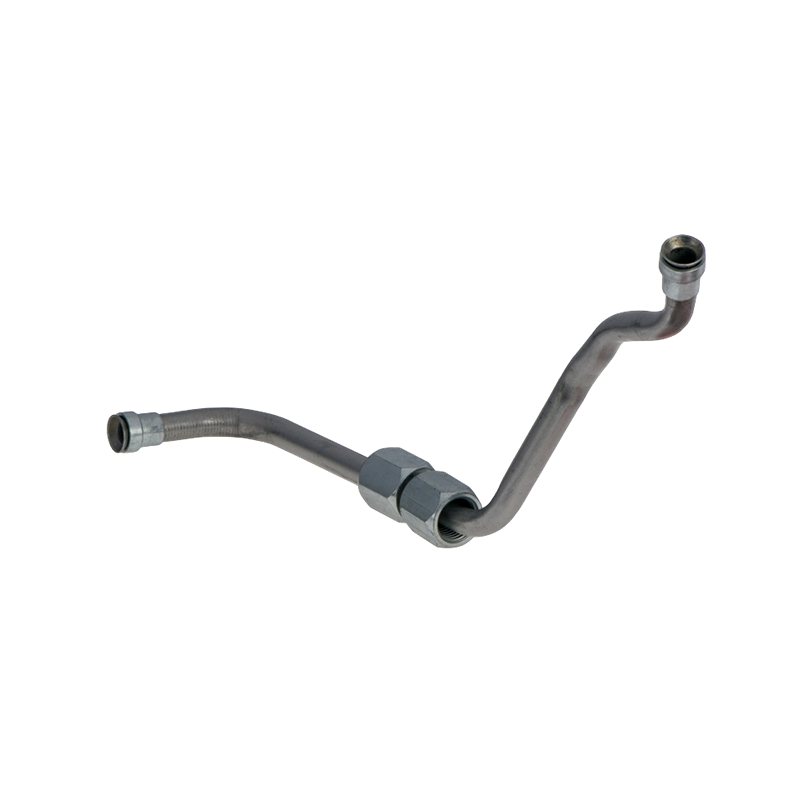
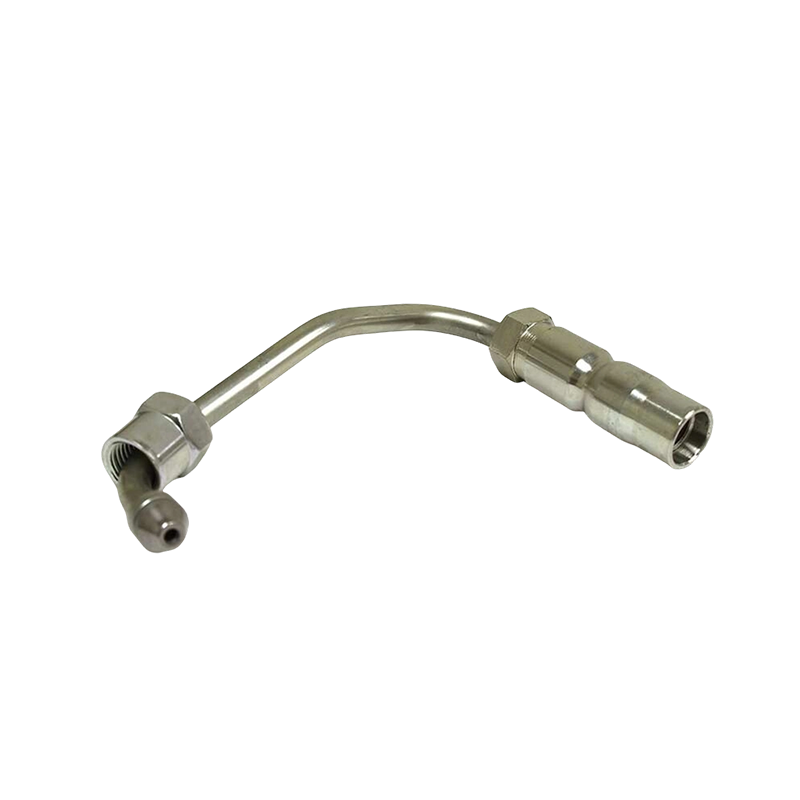
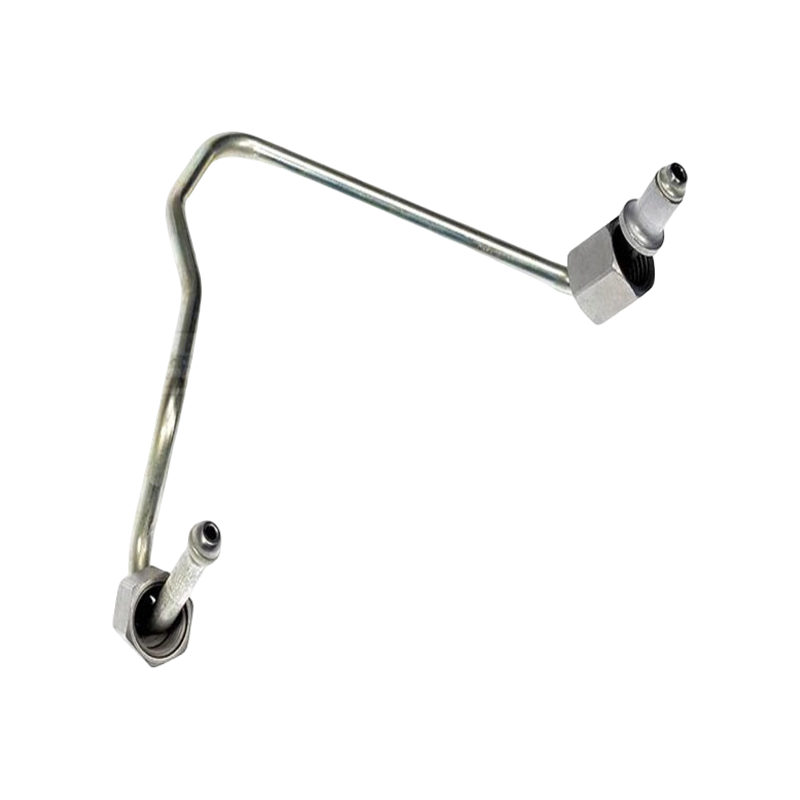
In our own line of factory replacement pipes, we see many customers switch to metal lines because metal completely eliminates permeation and swelling. A precision-formed metal fuel line also holds its shape, resists high underhood temperatures, and keeps the fuel clear of soft-wall pulsation.
 Metal Fuel Supply Line for Corrosion and Permeation ResistanceThis factory replacement fuel supply line is formed from metal to eliminate vapor permeation and swelling, holding its shape under high temperatures. It suits customers seeking a durable fix for soft-wall pulsation and fuel odor.View Product →
How to Read a Fuel Hose Label and Spot a Suspicious Rating
A legitimate SAE-rated hose has continuous markings every few inches along its length. The marking usually lists the manufacturer’s name, the SAE grade, the inner diameter, and a date code. A typical readout might look like “XYZ SAE J30R9 6MM 08/26”. If the hose has no marking, no date code, or only a vague “fuel line” label, do not use it in a customer vehicle.
Also look for signs of a false rating. Cheap hoses may be printed with “30R9” but fail a simple squeeze test because the liner is too thin. Always buy from a supplier who can provide material documentation. In our experience manufacturing automotive pipes, we verify every replacement line against OE dimensions and material specifications before it leaves the factory.
Rubber Hose vs Metal Hard Lines: When a Hard Line Is the Smarter Upgrade
Flexible rubber hose is essential where vibration and movement occur, but it is not always the best choice for a fixed route between the fuel tank, pump, filter, and injector rail. A metal hard line—often made of stainless steel or coated steel—can handle higher pressures, is resistant to permeation and abrasion, and does not age as quickly under heat. Many modern OE fuel systems use metal lines for the main feed and rubber sections only at connection points.
When we design a replacement for a high-pressure fuel system, we form the metal line to match the original routing, then add the correct fittings so the line installs without binding. If you are chasing a slow fuel smell under the hood, replacing a weeping rubber section with a metal line can be a permanent fix.
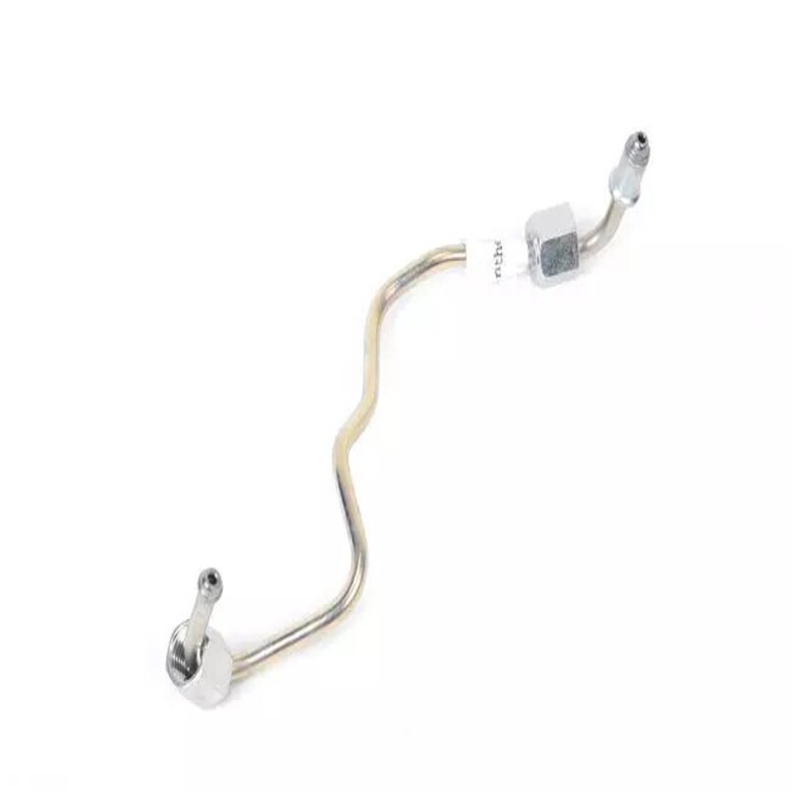 Direct-Fit Fuel Injector Line for OE# 98063063This high-pressure injector line is a precision-formed direct replacement for OE# 98063063, using corrosion-resistant CuNiFe material. It restores diesel delivery and prevents leaks, making it a reliable choice for restoring engine performance.View Product →
Before you assume every flexible hose is best, check the physical routing. If the line runs in a straight, protected path, a metal hard line removes most of the variables that cause rubber fuel hose failures. For a direct replacement that matches the original OE part number, browse our fuel system pipe products.
Installation and Inspection Checklist
Even the correct SAE rating fails if the hose is installed poorly. This is the checklist we give to technicians and fleet maintenance teams.
- Inspect the old hose by cutting it open: look for inner-liner flaking, a chemical smell, and separation between layers.
- Verify the SAE rating on the replacement hose and confirm it matches the fuel type and working pressure of the system.
- Use hose rated for the outside diameter of the fitting; a hose that is too large does not seal, and one that is too small can crack the liner.
- Position clamps correctly: at least 1/8 inch from the end, and torque them to the hose manufacturer’s specification.
- Avoid tight bends that kink the hose or force it against the frame.
- Support long runs to prevent chafing and fatigue.
If a car comes back with a fuel smell, do not automatically replace the same piece of hose. Check the routing, clamps, and adjacent heat shields. In our shop, we also remove the pipe from the vehicle to inspect it under good light, because a hairline crack in a hard line can be impossible to see while installed.
Frequently Asked Questions About Fuel Hose Ratings
For modern EFI systems, SAE 30R9 is the best choice because it handles higher pressure and has a low-permeation liner. For carbureted applications, 30R6 or 30R7 works.
Only on low-pressure return sides rated at 50 psi or less. Do not use 30R7 on a high-pressure EFI feed line; use 30R9 instead.
It is an SAE J30 grade for fuel-injection hose with a higher working pressure, stricter permeation limits, and improved resistance to ethanol-blended fuel.
Yes, but not every grade is rated the same. SAE 30R9 and 30R10 are the common choices for E10 to E85 blends; older 30R6 and 30R7 hoses may not be ethanol-safe for long-term use.
Most manufacturers recommend replacement every 5 to 10 years, depending on fuel quality, underhood heat, and ozone exposure. Inspect them annually for cracking or swelling.
Fuel hose generally means flexible rubber or PTFE tube; fuel line is the broader term that includes metal hard lines and flexible hose assemblies.
Our Main Products

 Contact Us
+86-138 0586 3066
+86-574 8840 6311
 Products
 Send An E-mail
 Mobile
Copyright ©NINGBO JIATIAN AUTOMOBILE PIPE CO.,LTD. All Rights Reserved.
 China's Premium Automotive Tube Factory
Custom Automotive Pipe Fittings Supply
privacy
China's Premium Automotive Tube Factory
Custom Automotive Pipe Fittings Supply
privacy