

 English
 Español

How to Measure Fuel Line Size Using Outside Diameter, Wall Thickness and Dash Numbers
Content
- 1 Why the Outside Diameter Is the Wrong Number to Buy
- 2 The Three Numbers Behind Every Fuel Line
- 3 Using a Caliper Without Fooling Yourself
- 4 Where Dash Numbers Come From
- 5 Matching the Line to the Fitting, Not Just the Bore
- 6 Diesel and High-Pressure Injector Lines Follow Different Rules
- 7 Five Measurement Mistakes That Cause Leaks
- 8 A Buying Checklist Before You Order
- 9 Fuel Line Size: Common Questions
Measure the outside diameter of the line with a caliper, subtract twice the wall thickness, and you get the inside diameter — the number that decides whether a replacement line seals and flows correctly. On a rubber hose there is a faster route: read the dash number printed on the jacket, or measure the barb on the fitting the hose pushes onto.
That is the whole method. What follows explains why the outside number alone misleads people, which tools give a reading you can trust, and how rigid steel lines, soft hose and diesel injector pipes have to be sized differently.
Why the Outside Diameter Is the Wrong Number to Buy
Hand a counter clerk a piece of hose and the first question will be about the bore, not the outside. The inside diameter controls two things at once: how much fuel can pass, and whether the line grips the fitting it connects to.
The gap between the two numbers is not small. A 3/8 in reinforced fuel hose can measure close to 15 mm across the outside while its bore is 9.5 mm. Buy by the outside number and you end up with a line that slides over the barb, weeps under pressure, or strangles flow at wide-open throttle.
Flow matters more than most drivers expect. Port fuel injection typically runs at 3 to 4 bar (roughly 43 to 58 psi), and the pump has to hold that pressure at the rail while the engine is drawing fuel. A bore two sizes too small becomes a pressure drop exactly when demand peaks — the usual symptom is a lean stumble at high rpm rather than a visible leak.
The Three Numbers Behind Every Fuel Line
Every line, rigid or flexible, has three dimensions worth knowing:
- Outside diameter (OD) — what a caliper reads across the line.
- Wall thickness — the material between bore and surface; on steel tube it is often under 1 mm.
- Inside diameter (ID) — the flow path, and the number you order by.
The arithmetic is simple: ID = OD − (2 × wall). The trap is that wall thickness is rarely printed anywhere on the part, and on a used hose it is no longer uniform.
Take a 5/16 in (7.94 mm) steel fuel line with a 0.7 mm wall. Its bore works out at about 6.5 mm — closer to a -4 (1/4 in) hose than to the -5 you would guess from the outside. That is why manufacturers publish the ID, and why matching an OE number is quicker and safer than measuring a corroded line still bolted to the car.
Cutaway of a fuel hose in isometric view: the bore you order by sits inside the wall, and the wall is what the outside diameter hides.
Using a Caliper Without Fooling Yourself
Any caliper beats a tape measure, but two habits decide whether the reading is worth anything.
Choose a tool that resolves 0.1 mm
- Digital caliper, typically 0.01 mm resolution — the practical default.
- Vernier caliper, typically 0.02 mm resolution — accurate, slower to read in poor light.
- Pin gauge set, or the shanks of drill bits, used as go/no-go plugs for a bore.
- Small-hole gauge plus caliper, for bores a caliper jaw cannot reach.
Measure the part, not the squeeze
On rubber hose the jaws compress the material and the number shrinks. Cut a 25 mm section, measure the OD across the cut end, then close the jaws on the wall itself and subtract twice the wall from the OD. Take three readings around the circumference; if they differ by more than about 0.5 mm, the hose is swollen or out of round and should be replaced rather than re-matched.
A drill index doubles as a plug gauge. A 1/4 in shank is 6.35 mm, 5/16 in is 7.94 mm and 3/8 in is 9.53 mm. Slide the shanks in one by one — the largest that enters without force is a fair approximation of the bore.
Where Dash Numbers Come From
Most aftermarket hose is sold by dash size, and the rule is fixed: one dash equals 1/16 in of nominal inside diameter. A -6 line is 6/16 in, or 3/8 in, or 9.5 mm. A -4 is 1/4 in, a -8 is 1/2 in. Dash sizing was written for flexible hose, so it describes the bore and tells you nothing reliable about the outside.
Nominal inside diameter by dash size
Dash size × 1/16 in gives the nominal bore. The -6 line is highlighted because it is the most common size on passenger-car EFI systems.
Printed markings are the fastest route when they are still legible. A jacket stamped SAE J30 R7 identifies a low-pressure fuel hose; R9 marks a fuel-injection hose built for higher pressure and lower permeation. Neither tells you the size directly, but both tell you what the hose is rated for, and the maker's part number or dash number usually sits right beside them.
| Line type | What to measure | Tool that works | What to watch for |
|---|---|---|---|
| Low-pressure rubber hose | Printed dash number, then bore | Caliper on a cut section | Swelling from ethanol-blended fuel |
| EFI hose with crimped ends | End form and OE number | OE parts catalogue | Hose OD varies; the crimp collar does the sealing |
| Rigid steel line | OD and wall thickness | Caliper on a clean section | Corrosion hides the real wall thickness |
| Diesel injector pipe | OE number, pipe OD, union thread | OE parts catalogue | High-pressure pipe should not be bent or re-flared |
Matching the Line to the Fitting, Not Just the Bore
Bore size alone does not guarantee a fit. The hose has to grip the barb, and barbs are usually slightly larger than the hose ID so the rubber has to stretch to seat.
- A hose that slides on with no resistance is too large — a clamp will not rescue a loose bore at 3 to 4 bar.
- A hose that needs a little lubricant or warmth, then sits flat without bulging, is in the right range.
- On push-connect and quick-connect fittings, measure the connector body or the retaining clip; the fitting defines the size, not the hose.
- On flared steel lines, tube OD and flare angle decide the fit. An 8 mm line and a 5/16 in line differ by only 0.06 mm, which is why they often interchange on a barb and never on a flare.
- A 10 mm line against a 3/8 in (9.53 mm) seat leaves a 0.47 mm gap — enough to weep under pressure even with a well-formed flare.
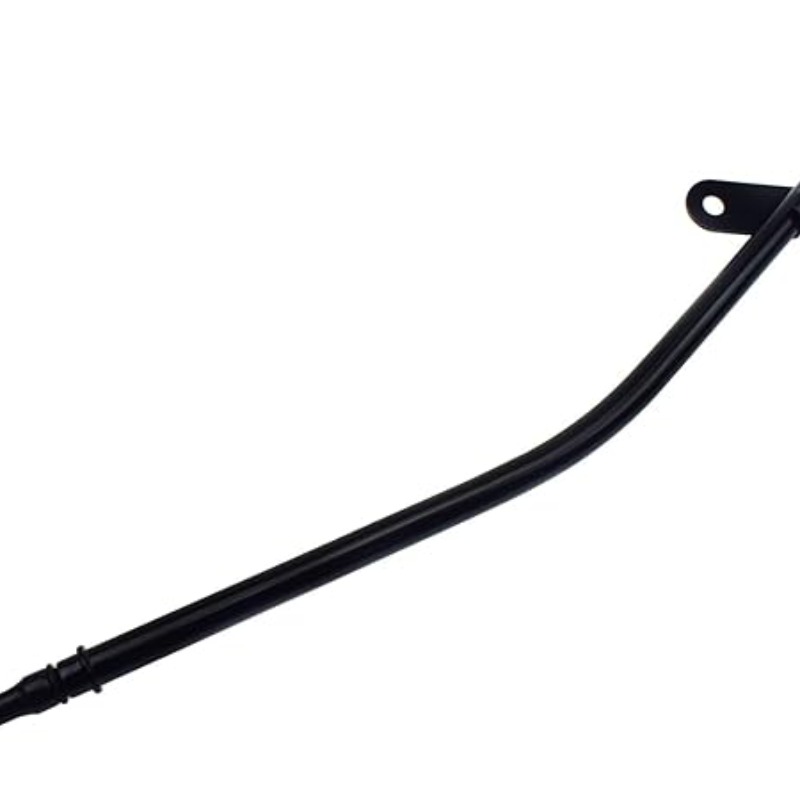
 Fuel Supply Line for Tank-to-Engine Fuel DeliveryA multi-layer fuel line built for corrosive fuels, high pressures and engine-bay heat, with precise connectors for leak-proof tank, filter and injection-system fitment.View Product →
Diesel and High-Pressure Injector Lines Follow Different Rules
On a common-rail diesel, the pipe between rail and injector carries pressure measured in hundreds of bar, and in current systems well over a thousand. At that level the pipe is a precision component rather than a length of tube: bore, wall, end form and length all influence how the pressure pulse reaches the injector.
Measure for identification, not for fabrication. Note the OE number, the pipe outside diameter, the union nut thread and the overall length, then order against the number. Re-flaring or hand-bending a high-pressure pipe creates stress risers where cracks begin, usually somewhere the eye cannot reach.
Low-pressure feed and return lines are a different story and follow the hose rules above. The dividing line is easy to spot: a hose clamped onto a barb is low pressure, a pipe with a swaged union nut is not.
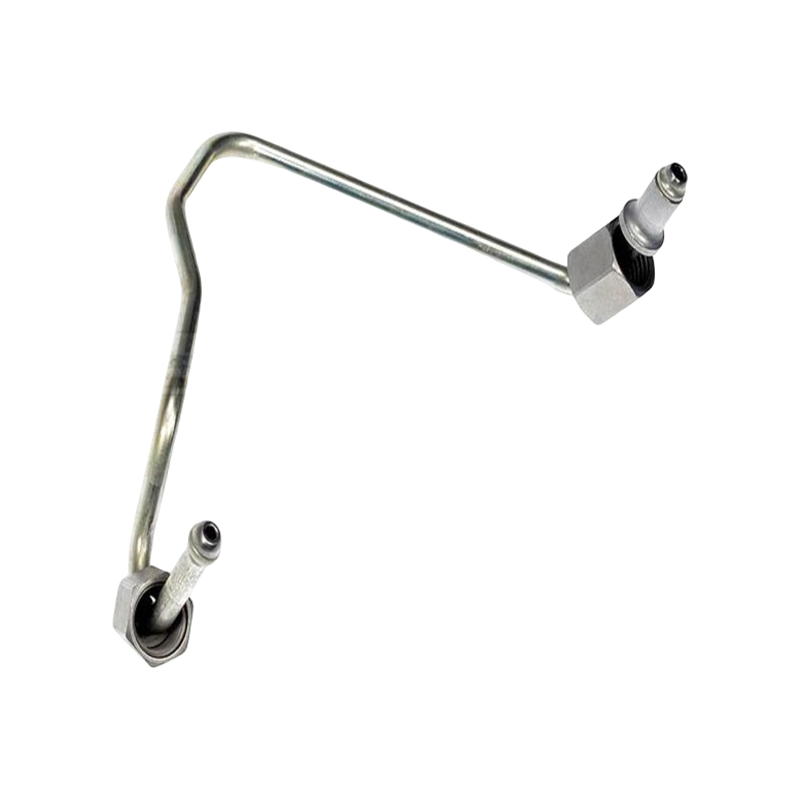
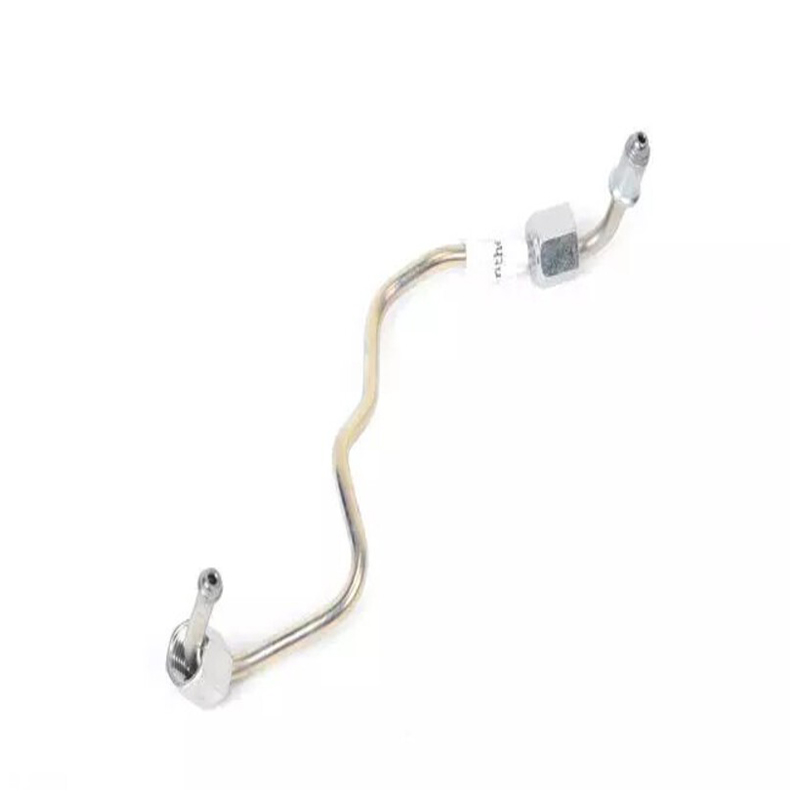 OE 98063063 High-Pressure Fuel Injector LineDirect-fit replacement for OE# 98063063, intended to restore precise diesel delivery from injection pump to injectors and help prevent leaks and performance loss.View Product →
Five Measurement Mistakes That Cause Leaks
- Ordering by the outside diameter. The bore is smaller by twice the wall, and on reinforced hose the difference can run to several millimetres.
- Measuring a swollen hose. Ethanol blends and heat swell rubber, so a hose that reads -6 today may have left the factory as -5.
- Squeezing soft material with caliper jaws. It reads small and produces an undersized order that leaks immediately.
- Measuring at the worst point. A corrosion pit, a crushed section or a stretched end all mislead — pick a clean, straight run.
- Mixing metric and imperial without converting. 8 mm is not 5/16 in, and 10 mm is not 3/8 in, even when the difference looks like rounding.
A Buying Checklist Before You Order
- Read any printed dash number, OE number or SAE rating on the old part.
- Measure OD at three points on a clean section, measure the wall, then calculate the ID.
- Confirm the fitting type: barb, flare, quick-connect, banjo or swaged union.
- Convert everything into one unit system and compare it with the supplier's nominal bore, allowing for normal hose tolerance.
- Match the pressure rating to the system — carburettor and low-pressure feed hose is not injection hose.
If the old line is too far gone to read, work backwards from the engine side. Our guide to choosing the right fuel injector pipe walks through matching an engine and fitting combination to the correct replacement, and the fuel line range lists the sizes and end forms we build for OEM-numbered applications.
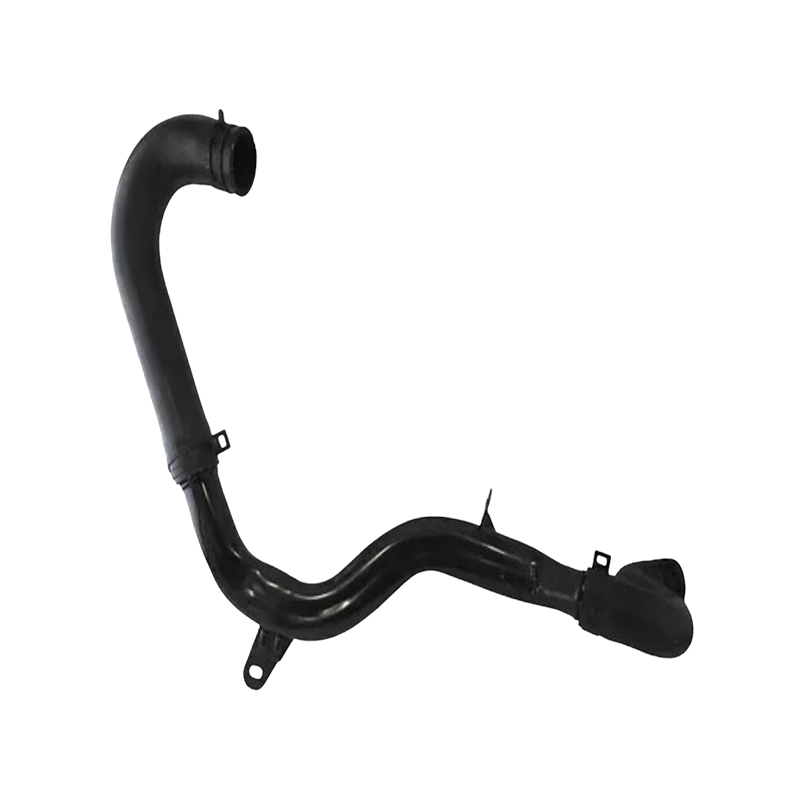
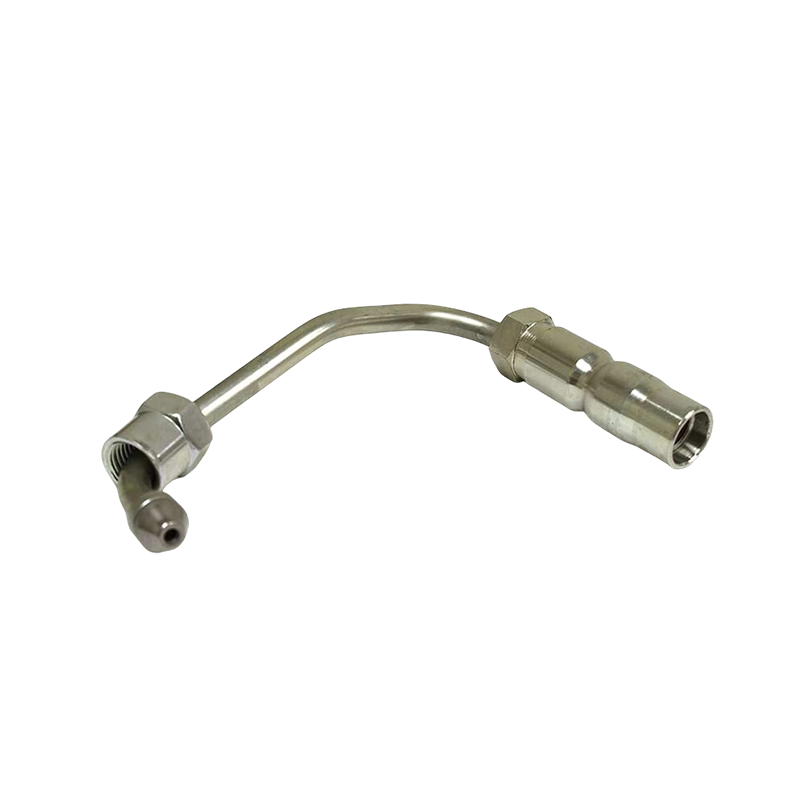 Common-Rail Fuel Injector Feed PipePrecision alloy-steel pipe for common-rail injectors, with cold drawing, prestressing and cleanliness controls intended to resist pressure-pulsation fatigue in high-performance engines.View Product →
Fuel Line Size: Common Questions
How do you measure fuel line size without a caliper?
Use drill bit shanks as plug gauges. A 1/4 in shank is 6.35 mm, 5/16 in is 7.94 mm and 3/8 in is 9.53 mm, which covers most passenger-car lines. The largest shank that enters the bore without force is a close approximation of the inside diameter.
What does a -6 AN fuel line size mean in inches?
It means 3/8 in, or 9.5 mm nominal bore. One dash equals 1/16 in of inside diameter, so -4 is 1/4 in and -8 is 1/2 in. Dash numbers describe the bore, never the outside of the hose.
Is 5/16 fuel line the same as 8 mm?
Almost — 7.94 mm against 8.00 mm. They usually interchange on a barb with a proper clamp, but not on a flared or compression fitting, where that 0.06 mm difference is exactly where seepage starts.
What size fuel line do I need for 500 hp?
The common tuner guideline is -6 (3/8 in) for EFI builds up to roughly 500 hp, with a matching return line. Confirm it against your pump's flow rating and regulator base pressure rather than the horsepower figure alone.
Does fuel line size affect fuel pressure?
Yes. An undersized or partly blocked line drops pressure at the rail under load, which usually shows up as a lean stumble at high rpm. Check pressure at the rail with the engine loaded, not at idle in the driveway.
Can I use a tape measure to size a fuel hose?
Only for a rough outside diameter. A tape cannot reach the bore and rarely resolves better than 1 mm, which is more than enough error to order the wrong hose and redo the job.
Our Main Products
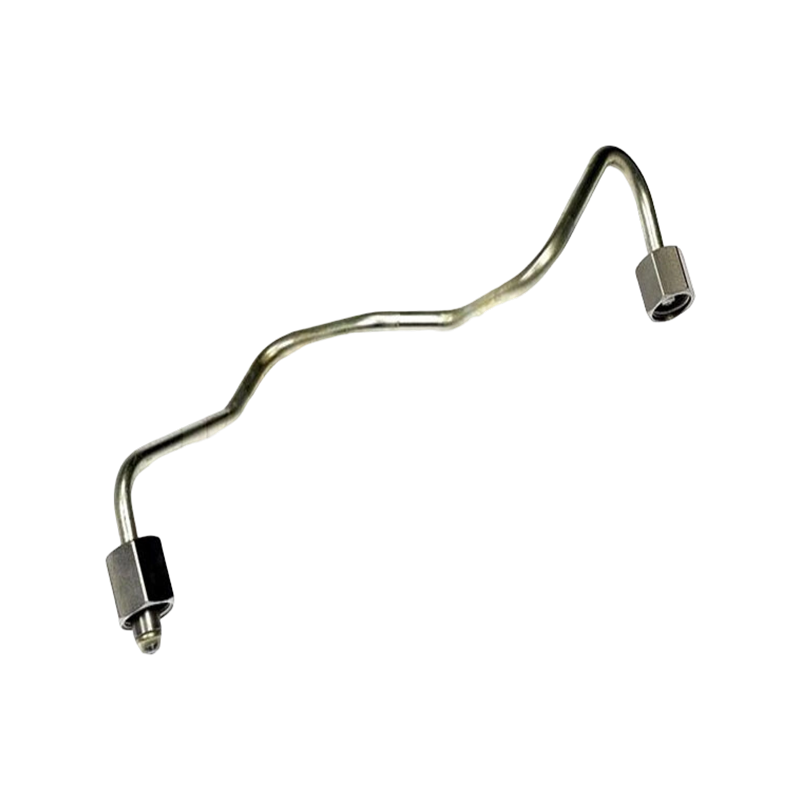
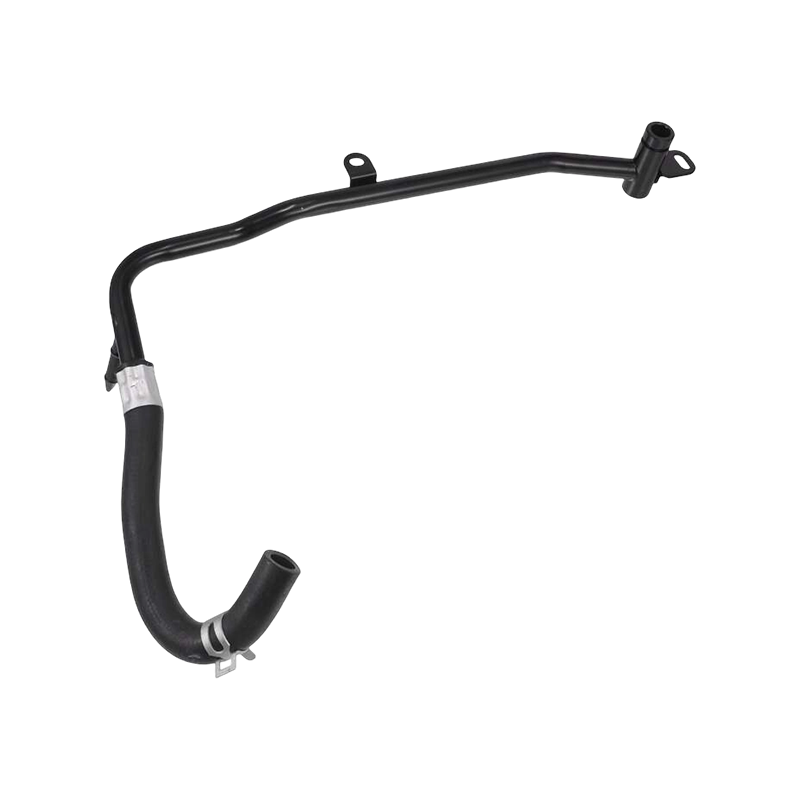

 Contact Us
+86-138 0586 3066
+86-574 8840 6311
 Products
 Send An E-mail
 Mobile
Copyright ©NINGBO JIATIAN AUTOMOBILE PIPE CO.,LTD. All Rights Reserved.
 China's Premium Automotive Tube Factory
Custom Automotive Pipe Fittings Supply
privacy