

 English
 Español

SAE J30R7 Fuel Line: Pressure Ratings, Ethanol Compatibility, and Buying Tips
Content
- 1 What SAE J30R7 Fuel Line Actually Covers
- 2 Where It Fits: Low-Pressure Fuel Systems and Real Repair Scenarios
- 3 Material and Construction: Why the Layers Matter
- 4 Common Mistakes and Purchase Risks
- 5 How to Specify and Inspect a J30R7 Fuel Line
- 6 Frequently Asked Questions
- 6.1 Q1: What is SAE J30R7 fuel line used for?
- 6.2 Q2: Is SAE J30R7 compatible with ethanol gasoline?
- 6.3 Q3: Can I use SAE J30R7 for fuel injection?
- 6.4 Q4: What size SAE J30R7 fuel line do I need?
- 6.5 Q5: How often should SAE J30R7 fuel line be replaced?
- 6.6 Q6: Does SAE J30R7 fuel line work for diesel?
If you are replacing a low-pressure fuel hose on a carbureted engine, a throttle-body injection system, or a diesel return line, SAE J30R7 is often the correct starting point. It is not, however, a universal fuel hose. The standard covers a specific band of pressure, temperature, and fuel compatibility, and using it outside that band can lead to swelling, weeping, or a sudden leak. The short answer: confirm the hose marking, match the inside diameter and pressure rating to the system, and never substitute J30R7 for a high-pressure fuel injection hose. Below is what the standard actually covers, where the hose fits, and what to check before you buy.
What SAE J30R7 Fuel Line Actually Covers
SAE J30 is the North American standard for fuel and fuel-vapor hose. It is divided into grades such as J30R6, J30R7, J30R9, and J30R10. Each grade targets a different pressure range, fuel type, and installation location. SAE J30R7 sits in the low-pressure segment. It is commonly rated for gasoline, ethanol-blend fuels such as E10, and diesel. It is not designed for the high-pressure side of a port fuel injection or direct injection system.
Two numbers matter most when you pick a J30R7 hose: working pressure and temperature range. Hose manufacturers typically mark these on the outer cover. A common J30R7 rating is around 50 psi or lower, with a temperature range that covers roughly -40°F to 212°F (-40°C to 100°C). Those figures are not universal. Always read the printed marking and the supplier’s data sheet, because a hose that looks identical can carry a different rating.
| Grade | Typical Service | Ethanol Compatibility | Relative Pressure Capability |
|---|---|---|---|
| J30R6 | Low-pressure fuel on older vehicles | Limited | Low |
| J30R7 | Low-pressure fuel, return lines, diesel supply | Good for common ethanol blends | Low to medium |
| J30R9 | High-pressure fuel injection | Excellent | High |
| J30R10 | In-tank submerged fuel hose | Excellent | Medium, submerged service |
Where It Fits: Low-Pressure Fuel Systems and Real Repair Scenarios
SAE J30R7 earns its place in several practical repair situations. The most common is a carbureted engine or a throttle-body injection (TBI) system. These systems run at low fuel pressure, often below 15 psi, so the hose does not need the reinforcement of a high-pressure injection line. Another common use is the fuel return line. A return line carries fuel back to the tank at low pressure, and J30R7’s ethanol compatibility makes it a sensible choice for older vehicles that see modern pump gasoline.
Diesel low-pressure supply and return lines are another fit. Many diesel lift-pump circuits operate at pressures well within the J30R7 range. The same is true for some stationary engines, generators, and off-road equipment where the builder specifies a low-pressure fuel hose. The key is to confirm the system pressure, the fuel chemistry, and the temperature around the hose routing.
Where J30R7 does not fit is equally important. Port fuel injection and direct injection systems can see pressures from 40 psi to more than 2,000 psi. A J30R7 hose may hold for a short time, then swell, soften, or burst. If the vehicle has fuel injectors, do not assume a low-pressure hose will work. Check the service manual and use the specified high-pressure hose grade.
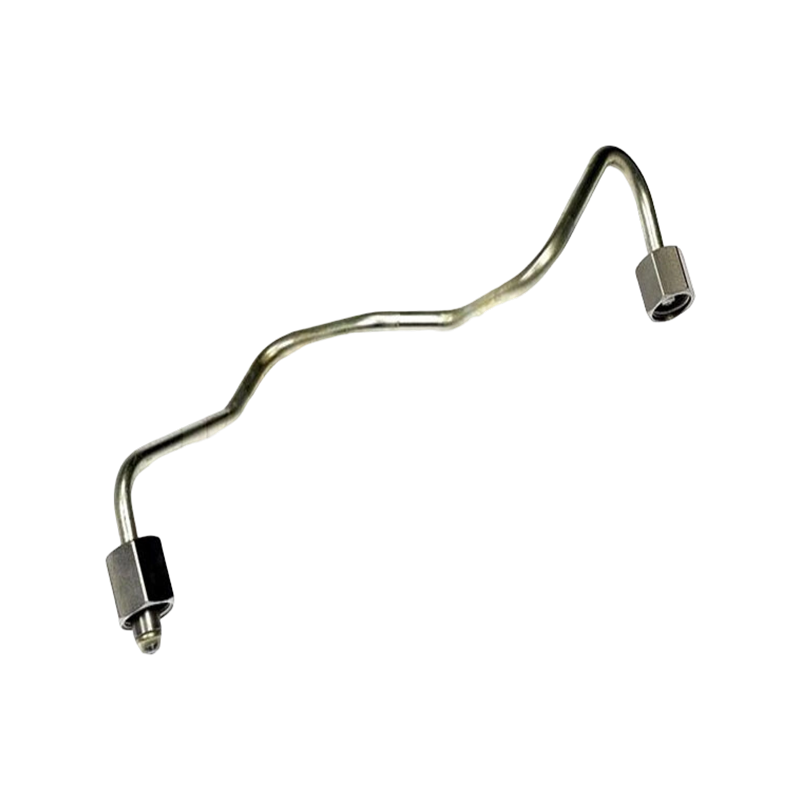
 Automotive Fuel Line and Delivery System ComponentsBrowse fuel lines, filters, regulators, seals, and fittings for low- and high-pressure fuel delivery, with material and connection options for varied engine systems.View Product →
For low-pressure fuel delivery, a purpose-built fuel line assembly removes the guesswork. A molded or pre-bent line with the correct end fittings reduces installation stress and helps maintain a reliable seal. This is especially useful on older trucks and equipment where the original hard line is rusted or no longer available.
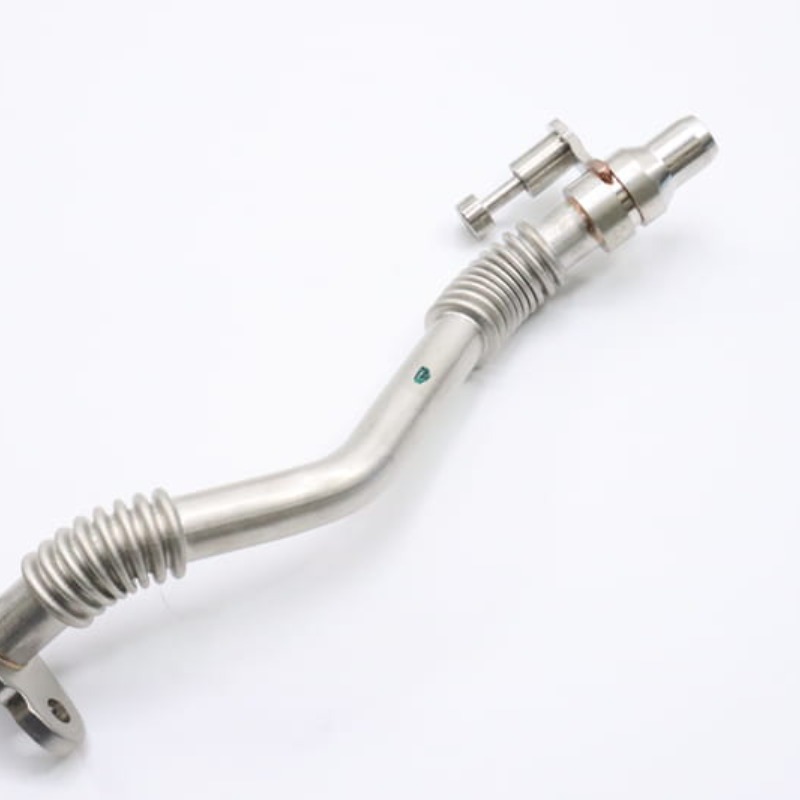
Automotive Fuel Supply Line for Low-Pressure Fuel DeliveryView a fuel supply line designed to connect tank, filter, and engine, with corrosion resistance, high-temperature tolerance, and options for E10 or biodiesel.View Product →Material and Construction: Why the Layers Matter
A J30R7 fuel hose is not a simple rubber tube. It usually has three functional layers. The inner layer is a fuel-resistant synthetic rubber, often NBR, that resists gasoline, ethanol blends, and diesel. The reinforcement layer, made of textile braid or similar material, carries pressure pulses and prevents the hose from expanding under load. The outer cover resists ozone, heat, and abrasion in the engine bay.
The construction matters because fuel hose failures rarely start as a clean split. They often begin as inner-layer swelling, which narrows the passage and changes fuel pressure. Or they begin as outer-cover cracking, which exposes the reinforcement to ozone and heat. A supplier with in-house tube forming, brazing, and testing can control these layers and the end fittings more consistently than a generic hose reseller. Ningbo Jiatian Automobile Pipe Co., Ltd., for example, operates CNC bending, brazing, hydroforming, and laser welding equipment, which supports repeatable fuel line assemblies rather than loose hose cut to length.
Common Mistakes and Purchase Risks
Most J30R7 problems come from selection and installation, not from the standard itself. Watch for these mistakes:
- Using a general-purpose rubber hose instead of a fuel-rated J30R7 hose. The wrong compound can soften and weep within weeks.
- Ignoring ethanol content. E10 is common, but E15, E85, and flex-fuel systems require a hose with specific compatibility. Check the manufacturer’s statement.
- Using the wrong clamp. A worm-gear clamp can cut into the cover, while a fuel-injection clamp may be unnecessary on a low-pressure barb. Match the clamp to the fitting.
- Bending the hose tighter than its minimum bend radius. A kink restricts flow and creates a hot spot that shortens hose life.
- Mixing high-pressure and low-pressure parts. A J30R7 hose on a high-pressure injection circuit is a safety risk, not a cost-saving measure.
- Skipping the marking check. If the hose does not show SAE J30R7 and the working pressure, treat it as unknown.
On the purchasing side, batch consistency is a real risk. Two shipments of “J30R7” hose can differ in wall thickness, reinforcement density, and ethanol resistance. For repair shops and distributors, ask for the material specification, pressure test data, and dimensional tolerances. A supplier that manufactures its own tube assemblies is more likely to control those variables.
How to Specify and Inspect a J30R7 Fuel Line
Use this checklist before you order or install a J30R7 fuel line:
- Confirm the system pressure. If it exceeds the hose’s marked working pressure, step up to J30R9 or the OEM-specified hose.
- Measure the inside diameter and length. Common low-pressure sizes include 5/16 inch, 3/8 inch, and 1/2 inch. Measure the fitting barb, not the old hose, if the hose has swelled.
- Check the end fittings. A barbed fitting needs a smooth, undamaged surface. A quick-connect fitting needs the correct retaining clip.
- Verify temperature and routing. Keep the hose away from exhaust manifolds and sharp edges. Use a heat sleeve where radiant heat is high.
- Inspect the marking. Look for “SAE J30R7” and the pressure rating. If the marking is missing, do not install it.
- Pressure-test after installation. A short low-pressure test with the fuel pump running can reveal a weep before the vehicle returns to service.
If the vehicle uses high-pressure fuel injection, J30R7 is the wrong grade. Our guide on choosing the right fuel injector pipe explains how to match the line to the injection system. For low-pressure fuel delivery, return, and diesel supply lines, J30R7 remains a practical and widely available choice when it is correctly specified.
Frequently Asked Questions
Q1: What is SAE J30R7 fuel line used for?
It is used for low-pressure fuel delivery and return lines on gasoline, ethanol-blend, and diesel systems. Typical applications include carbureted engines, throttle-body injection, and fuel return circuits.
Q2: Is SAE J30R7 compatible with ethanol gasoline?
Yes, J30R7 is generally rated for common ethanol blends such as E10. For E15, E85, or flex-fuel systems, check the hose manufacturer’s specific compatibility statement before you buy.
Q3: Can I use SAE J30R7 for fuel injection?
No. J30R7 is not intended for high-pressure fuel injection. Use a J30R9 hose or the vehicle manufacturer’s specified high-pressure line instead.
Q4: What size SAE J30R7 fuel line do I need?
Match the inside diameter to the original hard line or fitting. Common sizes include 5/16 inch, 3/8 inch, and 1/2 inch. Measure the fitting barb and the original hose before ordering.
Q5: How often should SAE J30R7 fuel line be replaced?
Inspect it at every major service. Replace it if you see cracking, swelling, weeping, or a strong fuel smell. Ethanol blends and engine heat can shorten service life.
Q6: Does SAE J30R7 fuel line work for diesel?
Yes, many J30R7 hoses are used for low-pressure diesel supply and return lines. Confirm the hose is rated for diesel and that the working pressure is below the hose’s marked limit.
SAE J30R7 is a dependable low-pressure fuel hose grade when it is used inside its pressure, temperature, and fuel-compatibility limits. The mistakes that cause leaks are usually predictable: the wrong grade on a high-pressure injection system, a non-fuel-rated hose, an incorrect clamp, or a batch of hose with no traceable marking. Check the printed standard, match the inside diameter and pressure rating, and buy from a supplier that can document the construction. That approach keeps a simple fuel line from becoming an expensive failure.
Our Main Products

 Contact Us
+86-138 0586 3066
+86-574 8840 6311
 Products
 Send An E-mail
 Mobile
Copyright ©NINGBO JIATIAN AUTOMOBILE PIPE CO.,LTD. All Rights Reserved.
 China's Premium Automotive Tube Factory
Custom Automotive Pipe Fittings Supply
privacy