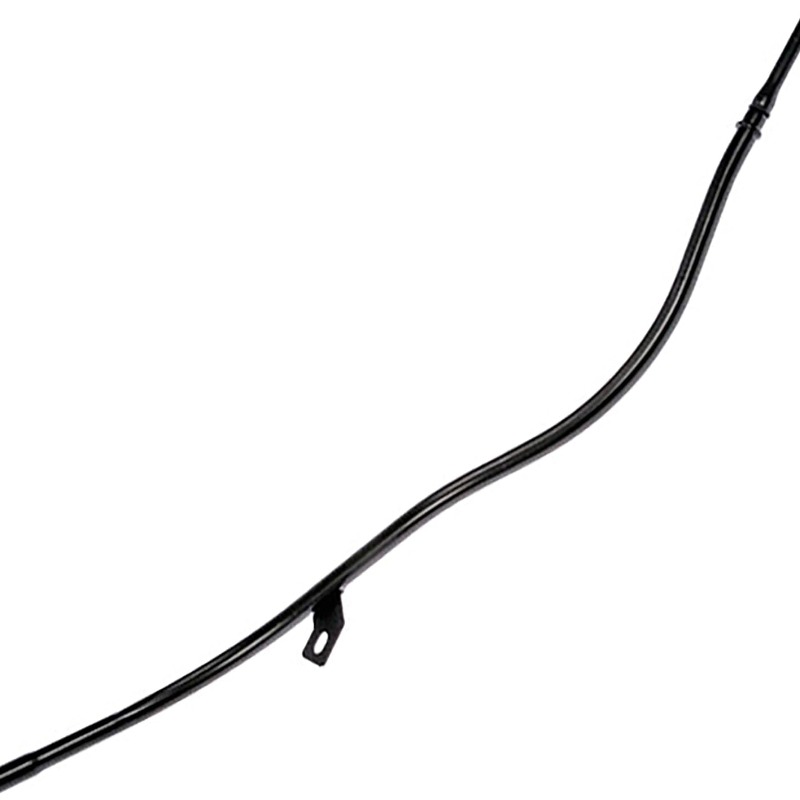
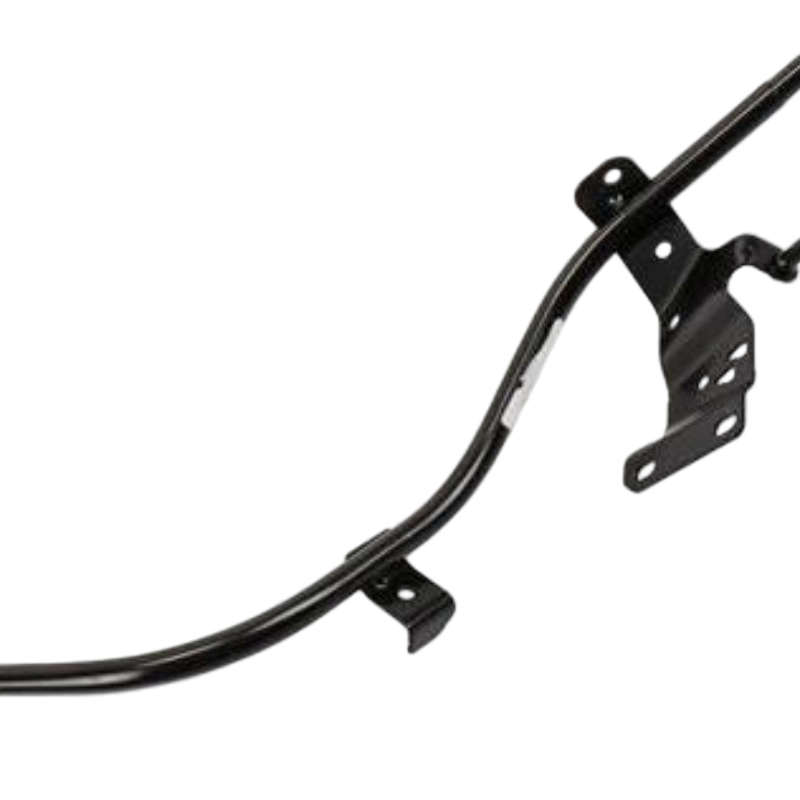
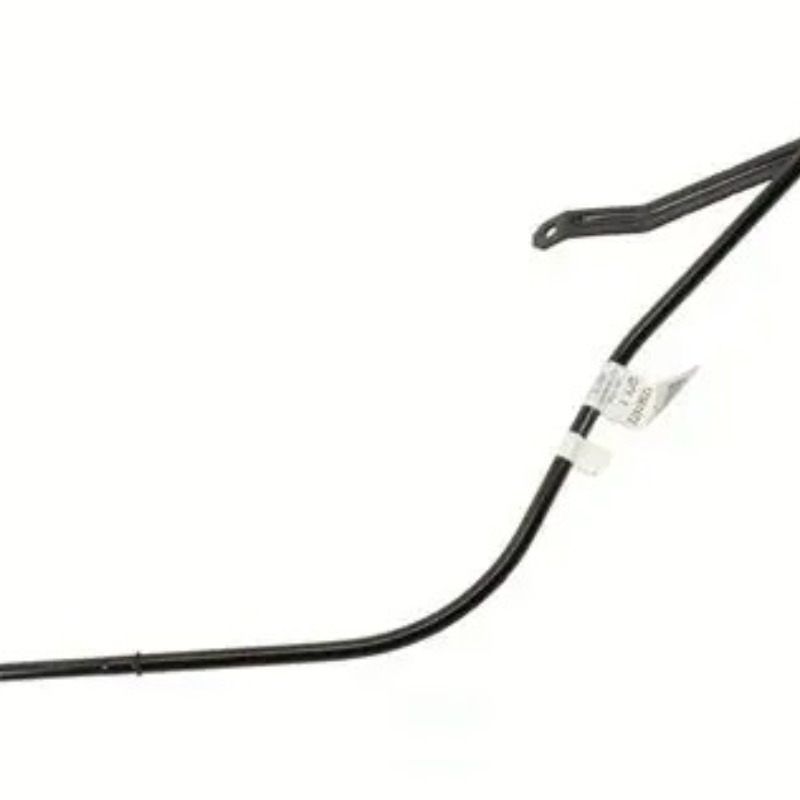
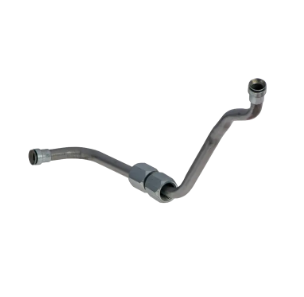
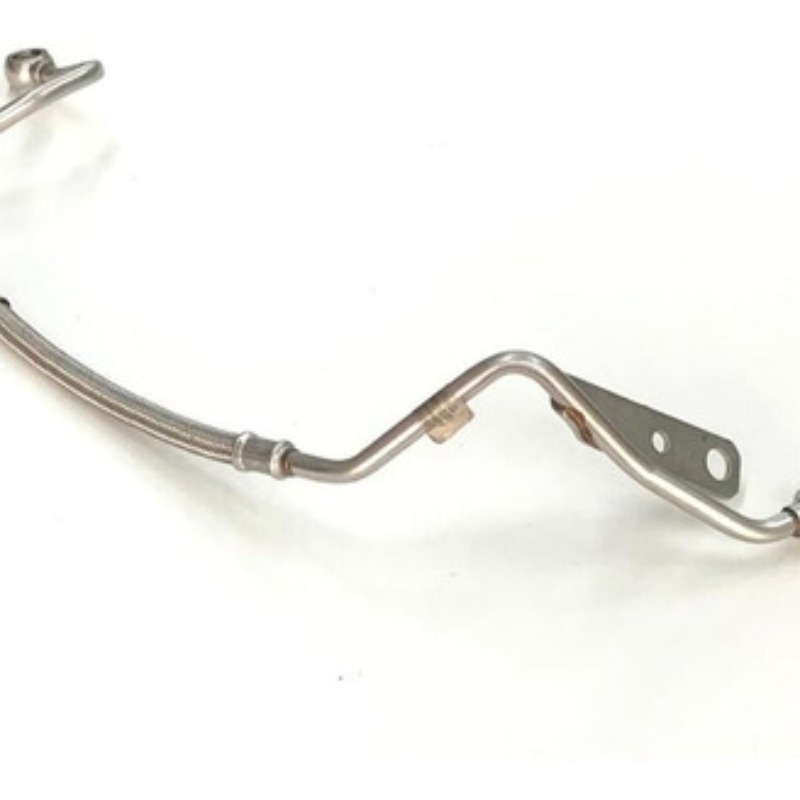
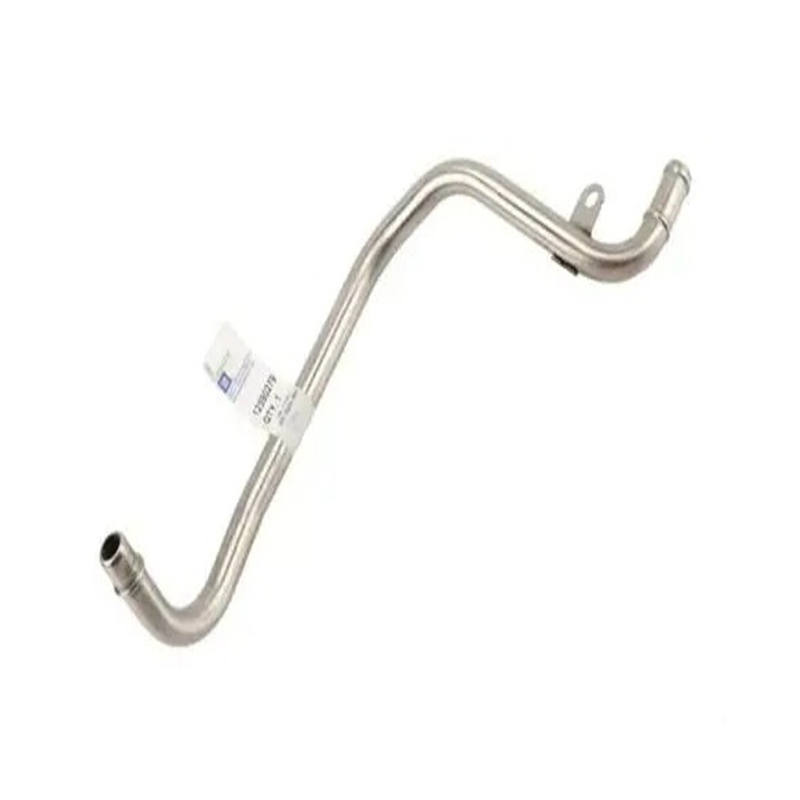
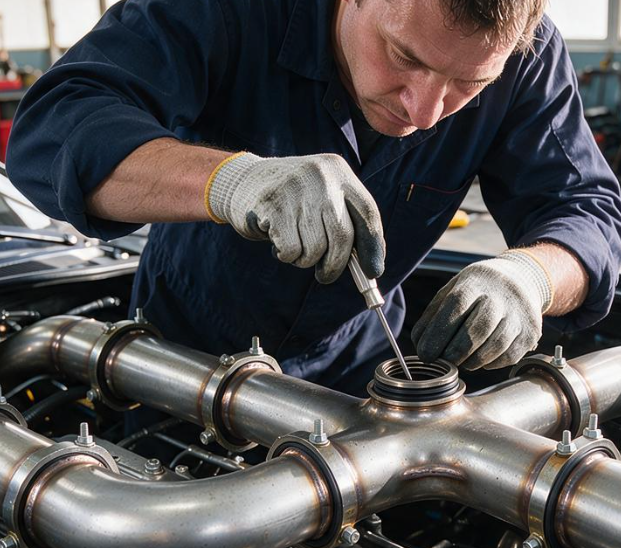
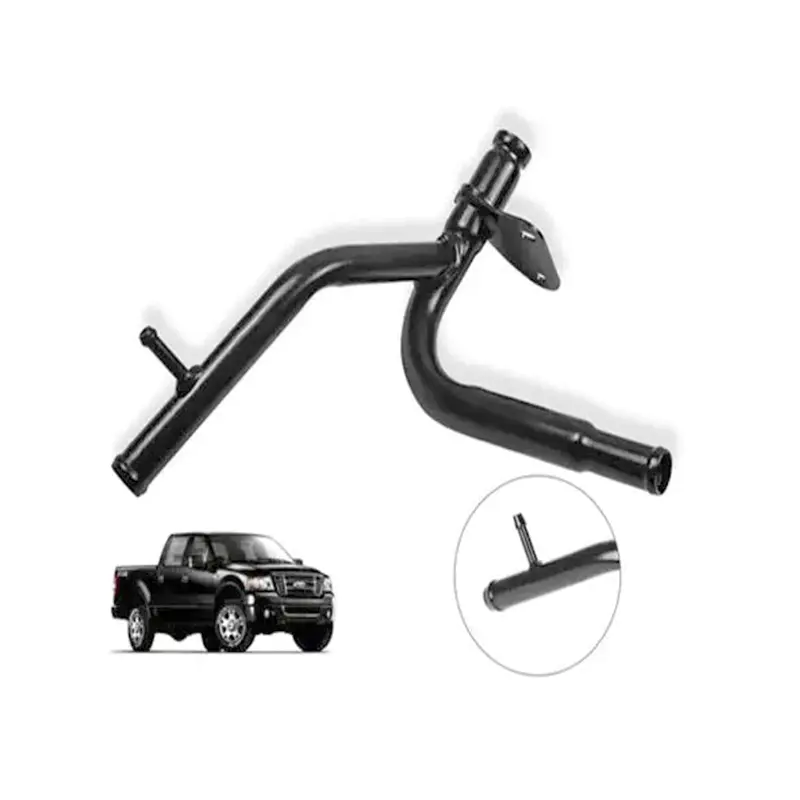
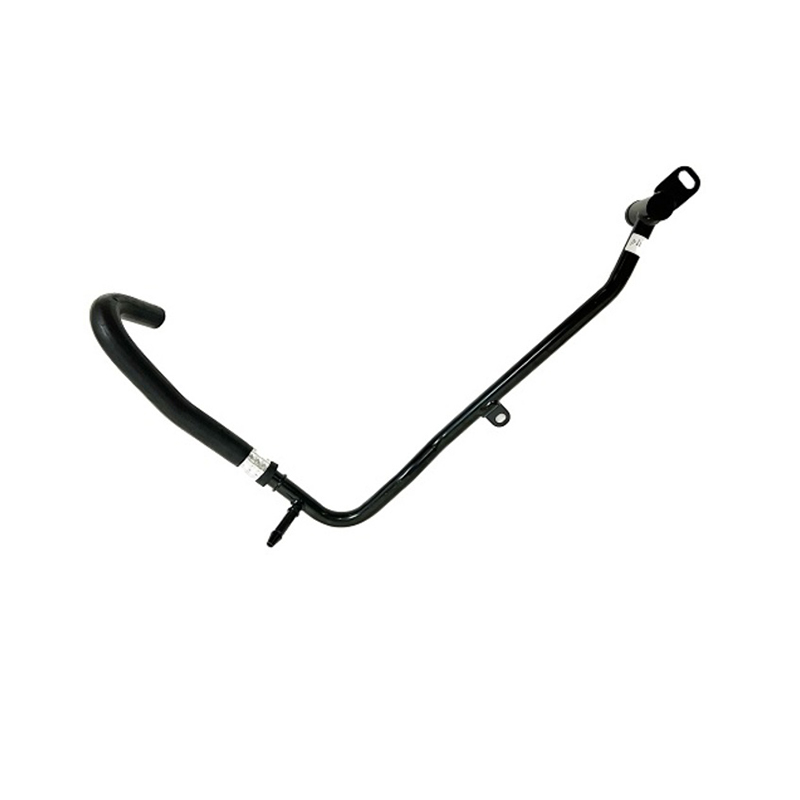
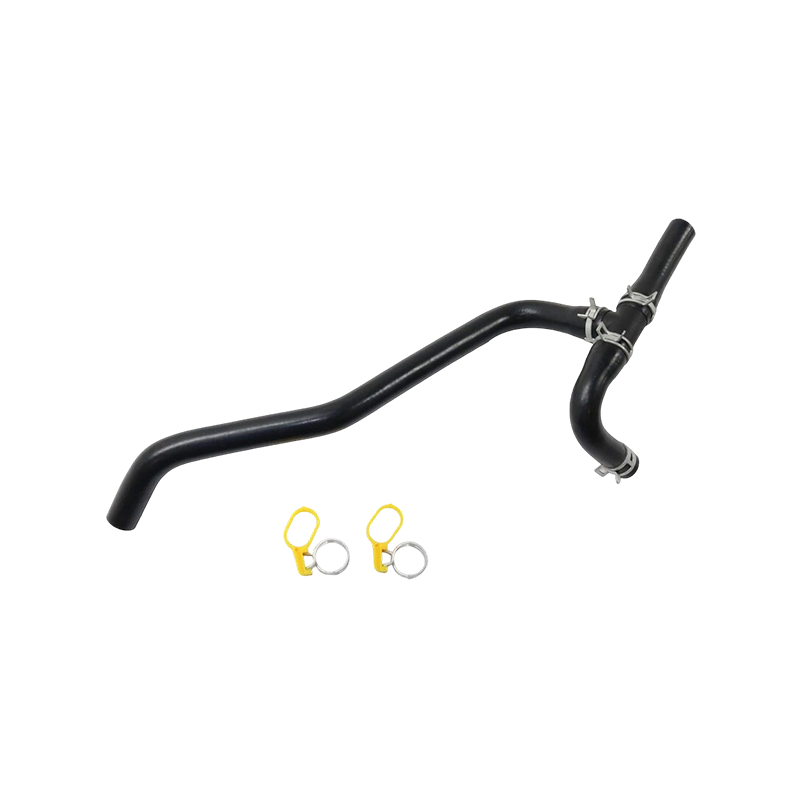
Automotive Metal Tube Manufacturer

-- Steady & Reliable Manufacturer --
Brief Product Description

  • MaterialCarbon steel, stainless steel, aluminum and copper alloy tubes
  • Size RangeTypical OD Φ10 to Φ80 mm, wall thickness 0.8 to 3.0 mm
  • Core ProcessCNC bending, hydraulic forming, end forming, brazing and welding
  • Quality ControlDimensional, leak and pressure checks supported by our laboratory
  • CustomizationOEM and ODM from drawings, samples or reverse engineering
  • MOQ and SamplesSamples first, MOQ typically from 300 pieces

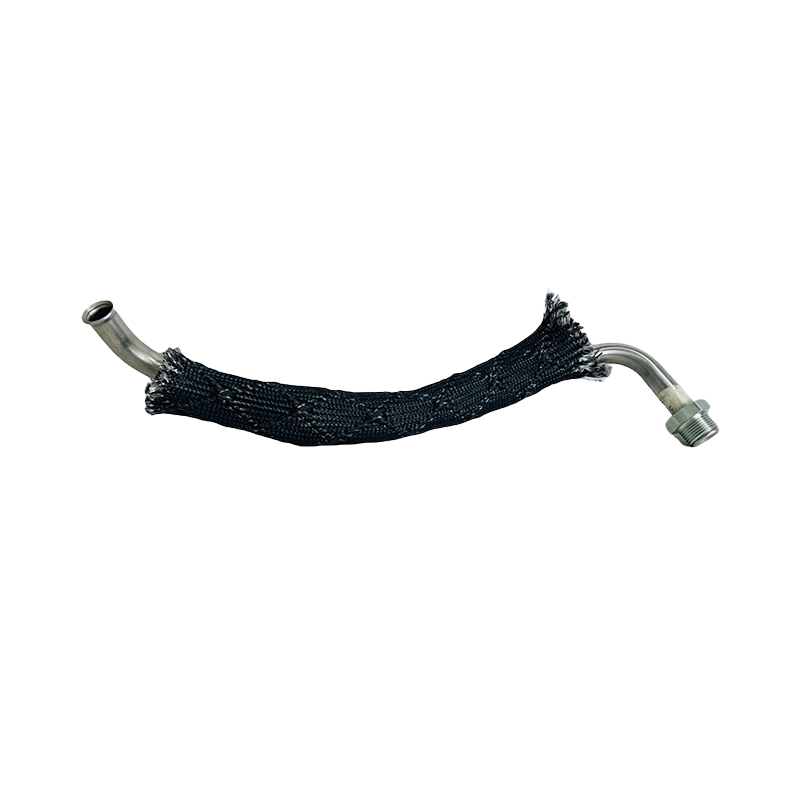
Automotive metal tubes are formed steel, stainless steel and aluminum tubes that carry fuel, coolant, refrigerant, oil, brake fluid and exhaust gas through a vehicle. They are bent to three-dimensional routes, end-formed, joined to fittings by brazing or welding, and tested before they reach the assembly line. As a factory-direct automotive metal tube manufacturer, we make these parts in Ningbo on a site that grew out of a metal products workshop founded in 1995. Typical products include fuel lines, brake lines, coolant tubes, air conditioning pipes, turbo oil lines and exhaust sections for passenger and commercial vehicles.

Our buyers are mostly vehicle component suppliers, aftermarket brands, engine and compressor makers, and trading companies that source to drawing. When they compare suppliers, they usually check material grade, outer diameter and wall thickness, bend radius, end-form type, joint method, and leak or pressure requirements before they look at the unit price. Many also ask whether one factory can quote bending, brazing and testing together, which is the main reason they choose a manufacturer over a trader.

The workshop runs 10 CNC fully automatic pipe bending machines, 10 hydraulic internal forming machines for tubes from Φ10 to Φ80 mm and up to 1.5 m long, two large brazing furnace lines, laser and robot welding cells, and 8 machining centers. Cutting, forming, joining and machining sit under one roof, so we can quote a finished tube part instead of a list of separate operations.

We accept OEM and ODM projects from a 2D or 3D drawing or from a physical sample. Samples are normally made first for fit and function checks, and the MOQ for custom tube parts typically starts from a few hundred pieces, depending on tooling and complexity. Send us your drawing, material and expected annual volume, and our engineers will reply with a feasibility note and a quotation.

Product Overview

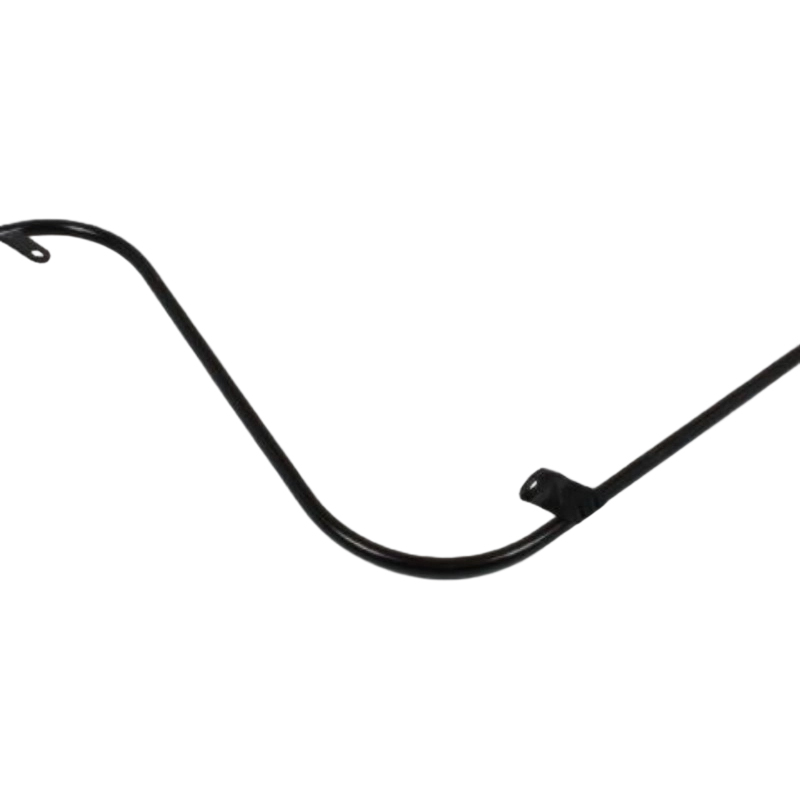
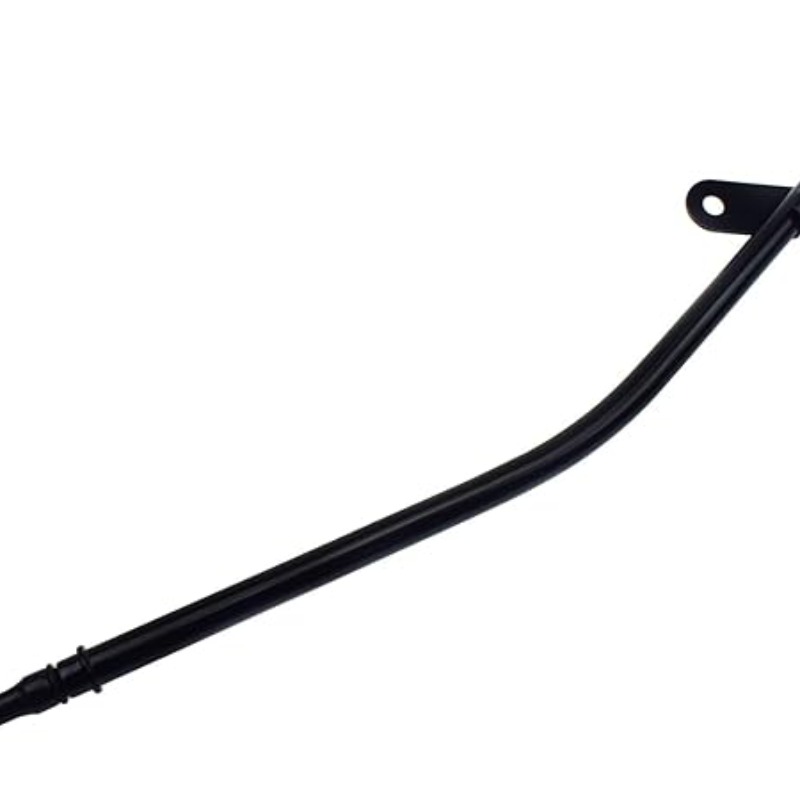
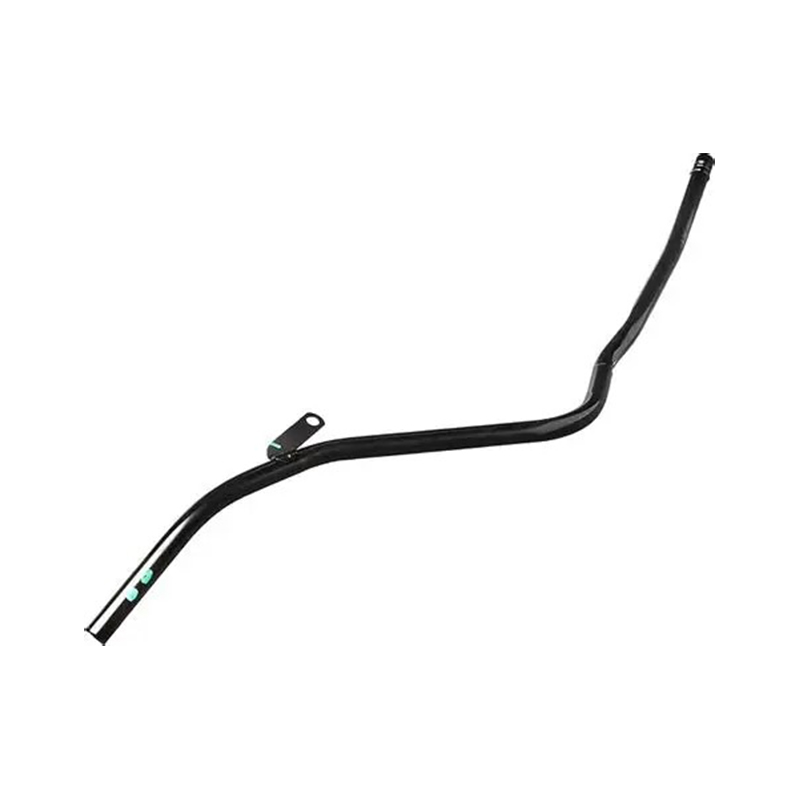
An automotive metal tube is a formed metal conduit that moves fluid or gas inside a vehicle. Common examples are fuel lines, brake lines, turbo oil lines, air conditioning pipes, coolant tubes, EGR tubes and exhaust sections. Unlike plain pipe sold by the meter, an automotive tube is made to a drawing, with a defined route, end shape and joint type.

Most parts start as straight tube cut to length. The tube is then bent on CNC machines, shaped by internal pressure where the geometry needs it, end-formed for hose or fitting connections, and joined by brazing, laser welding or arc welding. A final inspection checks length, bend angle, end geometry and leak tightness. The choice between carbon steel, stainless steel and aluminum depends on the medium, operating temperature and corrosion exposure.

Φ10 to Φ80 mmTypical tube OD
0.8 to 3.0 mmTypical wall thickness
1.5 mMax hydroforming length
3D routesMulti-bend and end-formed parts

Main points for buyers

  • Material and corrosion: confirm the grade, any plating or coating, and the salt spray or chemical exposure the part will see.
  • Tolerance stack: mark critical dimensions only, because tight tolerances on non-functional features raise cost without adding performance.
  • Joint method: brazed, welded and crimped joints have different leak risk and different cost.
  • Testing: state the test pressure, allowed leak rate and sampling plan in the drawing notes.
  • Packaging: long or thin-wall tubes can deform in transit, so ask for racks or separators.

What affects landed cost. When you compare quotations, look beyond the unit price. Material grade and the metal price on the order date, tube length and number of bends, fixtures or tooling, joining and surface treatment, test requirements, packaging type, order quantity, and the freight and duty terms (EXW, FOB or CIF) all change the final landed cost. Two quotations with a similar price can differ in what is actually included.

Specification

ParameterTypical Specification
Product TypeFuel, brake, coolant, A/C, oil and exhaust tubes and tube assemblies
MaterialsCarbon steel, low carbon steel, stainless steel (304, 409L, 439), aluminum, copper alloy
Outer DiameterTypical Φ10 to Φ80 mm, other sizes on request
Wall ThicknessTypical 0.8 to 3.0 mm depending on material and process
LengthUp to 1.5 m for hydraulic forming, longer bent parts by drawing
Forming ProcessesCNC bending, hydraulic internal forming, end forming, expansion
Joining MethodsFurnace brazing, laser welding, robot welding, arc welding
Surface TreatmentZinc plating, phosphating, passivation, painting or coating on request
TestingDimensional check, leak test and pressure test as required by drawing
Drawing Formats2D PDF or DWG, 3D STEP or IGES, or a physical sample
Sample Lead TimeTypically 10 to 20 days after drawing confirmation
MOQ and PackagingMOQ typically from 300 pieces, packed in racks, trays or cartons

Values shown are typical ranges. Final specifications are confirmed against your drawing or sample before sampling.

Application

Application Scenarios

ApplicationTypical PartsBuyer Focus
Passenger vehiclesFuel lines, coolant tubes, A/C pipesLeak tightness and consistent routing
Commercial vehiclesBrake, air and oil lines for trucks and busesDurability and pressure rating
Engine and compressor makersOil feed, oil return and refrigerant tubesCleanliness and dimensional accuracy
Aftermarket supplyReplacement tubes made to sample or drawingFit to original and stable repeat orders

Target Customers

Component Suppliers

Need drawing-based parts with stable batch quality and documented inspection.

Aftermarket Brands

Need replacement tubes copied from samples, with flexible MOQ and private packing.

Trading and Sourcing Companies

Need one factory that can combine several tube items into mixed orders.

Suitable and Unsuitable Uses

Suitable Uses

  • Fluid and gas lines with a defined route and end form
  • Repeat production of drawing-controlled parts
  • Assemblies that combine tube, fitting and bracket

Unsuitable Uses

  • Plain straight pipe sold by weight with no forming
  • Structural load-bearing tubes without a defined load case
  • Parts with no drawing, sample or functional specification

Selection Guidance

  • 1Define the medium first. Fuel, coolant, refrigerant, oil and exhaust gas point to different materials and joint methods.
  • 2Match material to environment. Choose stainless or coated steel where salt, heat or chemicals are present.
  • 3Choose the process by geometry. Simple routes suit CNC bending, while shaped sections suit hydraulic forming.
  • 4Confirm volume early. Annual quantity decides whether dedicated fixtures and tooling are worth the investment.

Usage Notes

  • Confirm the drawing revision before samples are released.
  • Check bend positions and end forms against the sample or gauge.
  • Verify the test pressure and leak limit match the system rating.
  • Inspect tubes for dents and scratches before installation.
  • Store parts in the original racks to prevent deformation.

Advantages

  • 01

    Full process chain in one factory

    Bending, forming, brazing, welding and machining are done in our own 26,000 square meter plant. You deal with one supplier instead of several subcontractors, which shortens lead time and reduces hand-off errors.

  • 02

    CNC bending capacity

    Ten fully automatic CNC pipe bending machines keep repeat parts consistent from batch to batch. This lowers rejection risk when you place regular orders.

  • 03

    Hydraulic forming for complex shapes

    Ten internal forming machines handle tubes from Φ10 to Φ80 mm and up to 1.5 m long. Shaped parts can replace multi-piece welded designs, which cuts joint count and leak points.

  • 04

    Automated joining

    Four fully automatic laser welders, four welding robots and two brazing furnace lines give repeatable joints. Stable joint quality reduces leak complaints and rework cost.

  • 05

    In-house R&D and laboratory

    Our R&D center and laboratory check material, dimensions and performance before mass production. Problems are found at sample stage, which protects your launch schedule.

  • 06

    Experience since 1995

    The company grew from a metal products factory established in 1995. Long experience with tube forming helps us spot drawing risks early and suggest practical changes.

Frequently Asked Questions

  • Q: What materials do you use for automotive metal tubes?
  • A: We work with carbon steel, low carbon steel, stainless steel such as 304, 409L and 439, aluminum and copper alloy. The right grade depends on the medium, temperature and corrosion environment, and we can advise if you are not sure.
  • Q: Can you make tubes from a sample without a drawing?
  • A: Yes. We can measure the sample, build a 3D model and issue a drawing for your approval before sampling. This is common for aftermarket replacement parts.
  • Q: What is your MOQ for custom tubes?
  • A: For custom tube parts the MOQ typically starts from around 300 pieces. Simple parts or trial lots for new projects can be discussed case by case.
  • Q: How long do samples take?
  • A: Samples usually take 10 to 20 days after the drawing and material are confirmed. Parts that need new fixtures or forming tools may take longer, and we will confirm the schedule when we quote.
  • Q: What tube sizes can you produce?
  • A: Our typical range is Φ10 to Φ80 mm outer diameter with wall thickness from about 0.8 to 3.0 mm. Hydraulic forming handles parts up to 1.5 m long, and other sizes can be reviewed on request.
  • Q: How do you test the finished tubes?
  • A: We check dimensions against the drawing and carry out leak and pressure tests according to the drawing requirement. Test method and sampling plan are agreed before mass production.
  • Q: Do you offer surface treatment?
  • A: Yes. Zinc plating, phosphating, passivation and painting are available depending on material. Tell us the corrosion requirement and we will propose a suitable finish.
  • Q: How are tubes packed for export?
  • A: Tubes are packed in racks, trays or cartons with separators so they do not deform or scratch in transit. Custom labeling and packing methods can follow your requirement.

Contact us to learn more

Send your drawing, material and annual volume for a tube quotation and feasibility note.

Contact Us

+86-138 0586 3066

+86-574 8840 6311

View ProductsSend an Inquiry

About Us
Professional Manufacturer Of Automotive Pipe Fittings
As a

China automotive pipe fittings manufacturer and automotive tubing factory

, The company was established on the basis of the development of Ningbo Xingxin Metal Products Factory (established in 1995), and is a high-tech enterprise specializing in the production of automotive pipe fittings. The company's area is 32,000 square meters; the factory area is 26,000 square meters.
More About Us
  • 0

    Establishment

  • 0

    Factory Area

  • 0+

    Technical Staff

  • 0

    Product Line

Advantage
Beyond Your Expectation, Within the Budget.
  • Quality Quality
    We have our own laboratories and the most advanced testing equipment in the industry to ensure product quality.
  • Cost Cost
    We have two our own casting foundries and one CNC machining factory.So we can offer the best price and best products directly.
  • Customization Customization
    We have a strong R&D team,and we can develop and produce products according to the drawings or samples the customers offered.
  • Service Service
    We focus on developing high-quality products for the high-end market, and our products meet international standards.
  • Diversity Diversity
    We have a variety of manufacturing processes such as pipe strip forming, welding, stainless steel corrugation forming, pipe bending, etc., which can meet the development and production of products of different shapes, sizes and materials.
  • Capacity Capacity
    Our annual output exceeds 2,600 tons, which can meet the needs of customers with different purchasing volumes.
  • Transportation Transportation
    We are only 35 kilometers away from Beilun Port, exporting is very convenient.
News
Learn About Our Latest News From Blog
Explore Our News