English
 Español
Automotive Metal Tube Processing
-- Steady & Reliable Manufacturer --
Brief Product Description
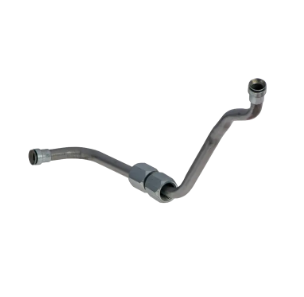
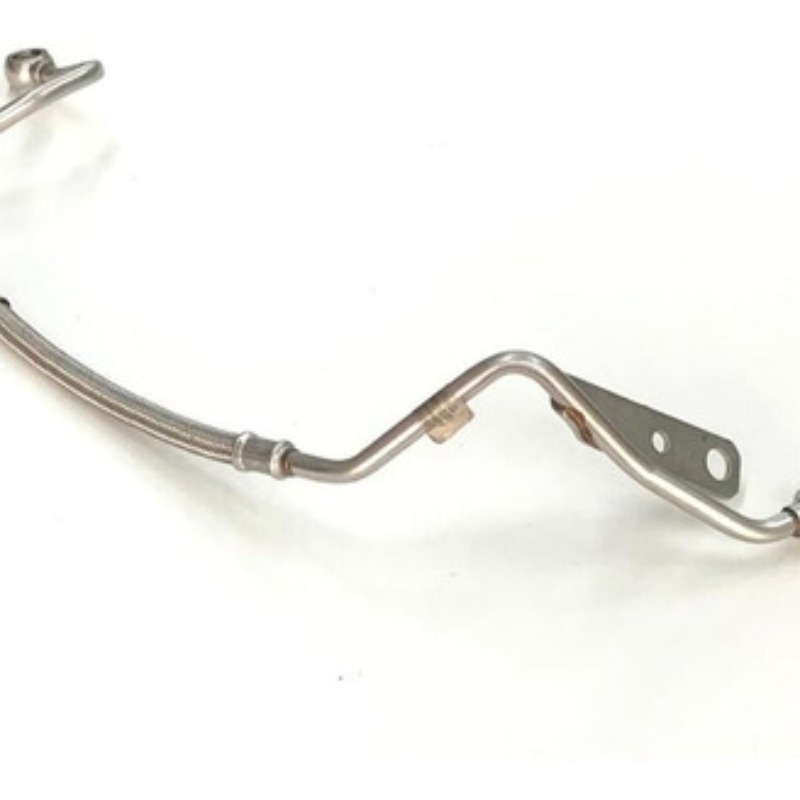
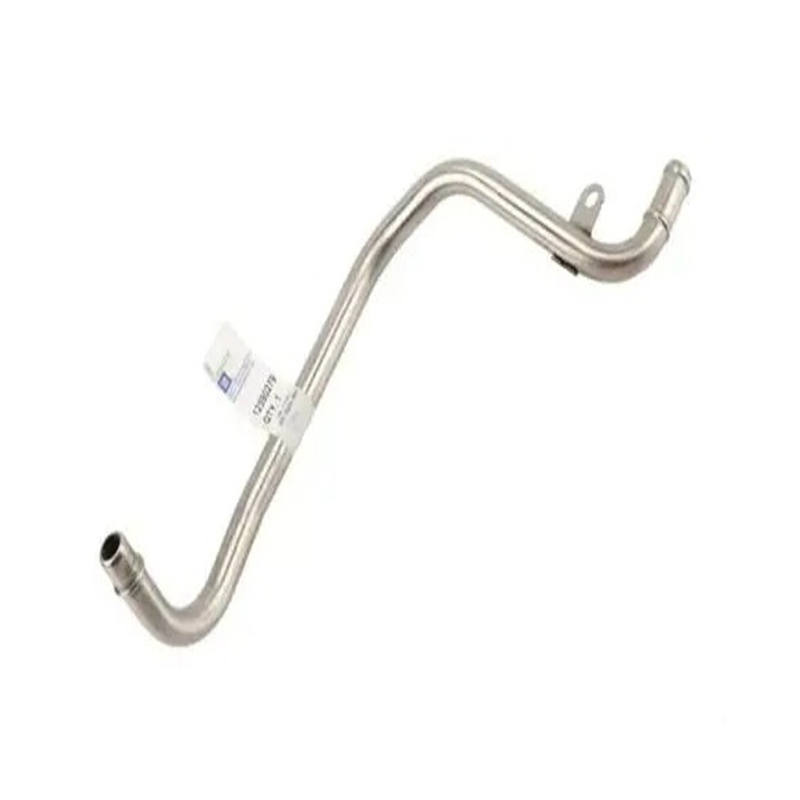
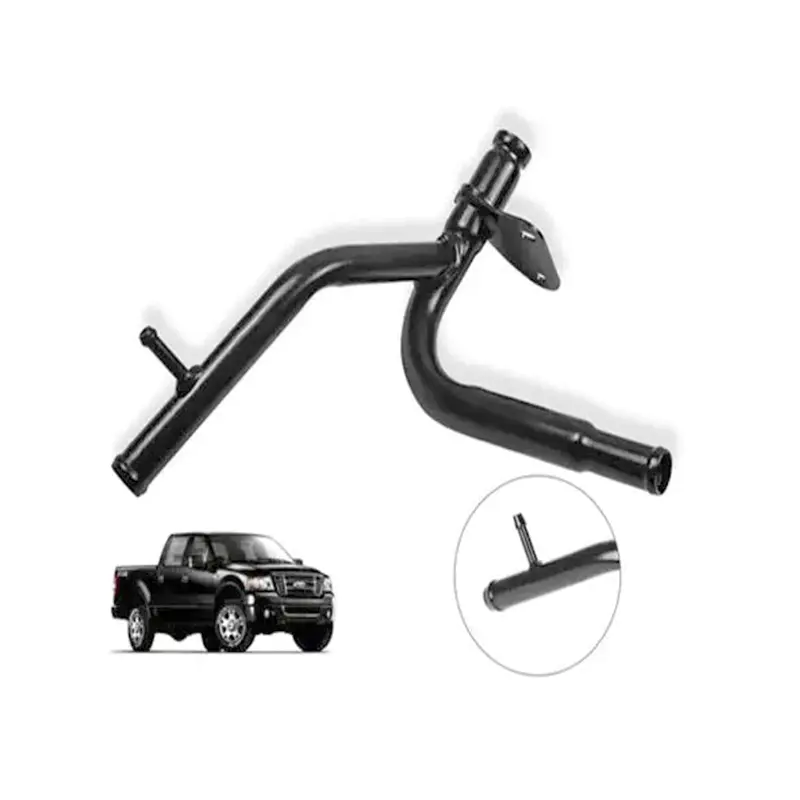
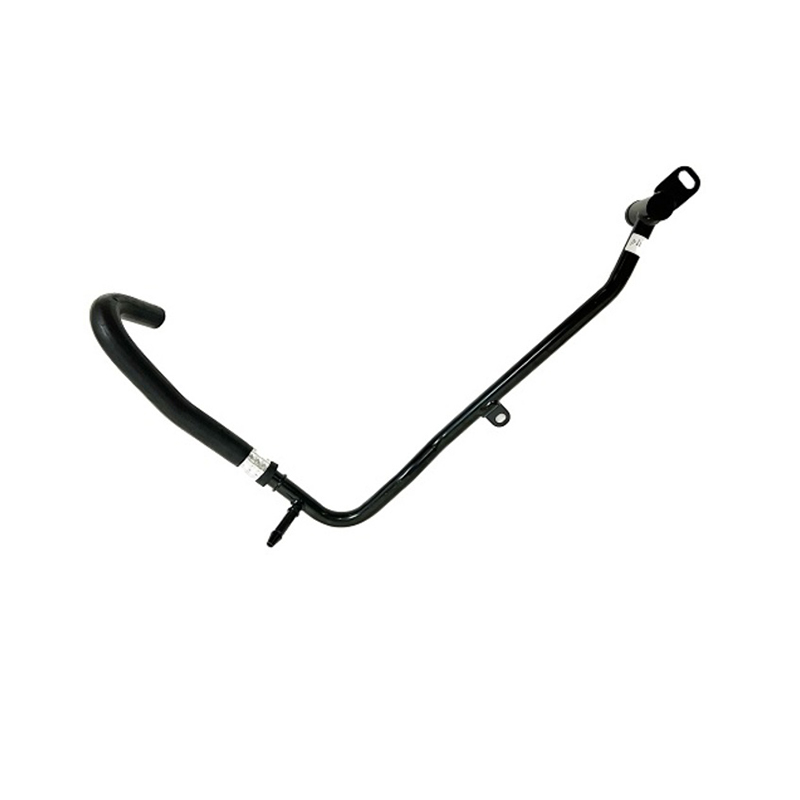
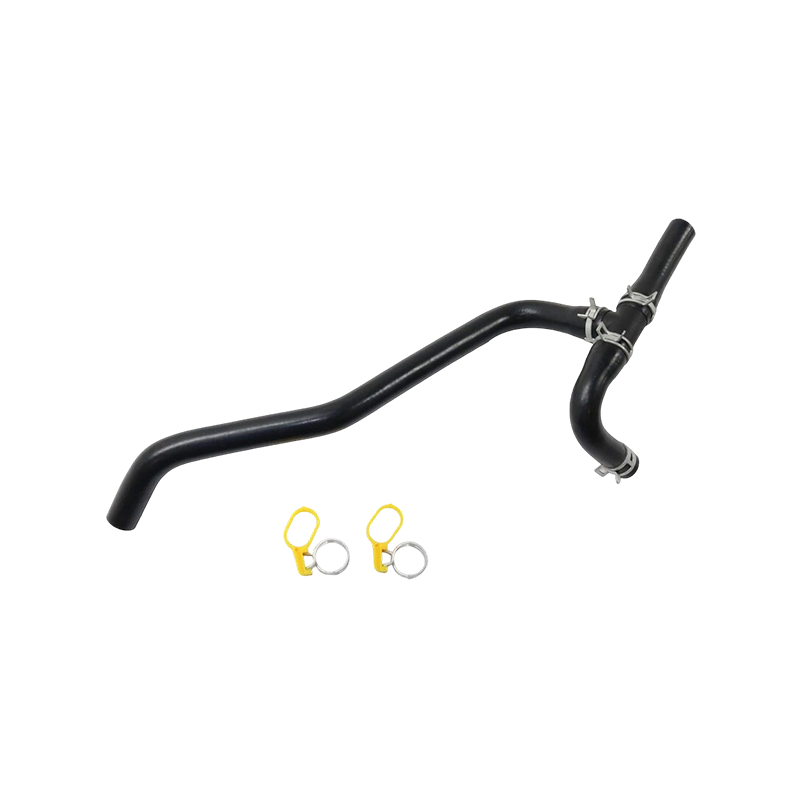
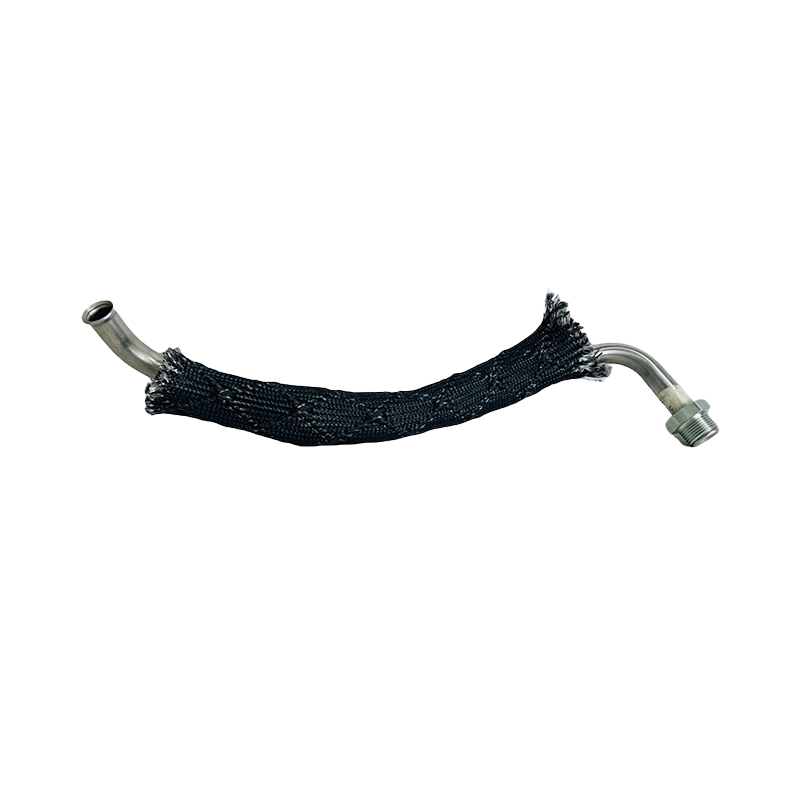
Automotive metal tube processing describes the full chain of operations that convert raw tube into a vehicle-ready component: cutting, bending, end forming, expanding, welding, brazing, machining, cleaning and testing. Each step must be matched to the tube material and the system the part will serve, whether that is fuel, brake, cooling, intake or exhaust.
Typical buyers are component manufacturers, repair and aftermarket brands, and vehicle assembly plants that prefer to outsource tube work rather than invest in equipment. Their purchasing checklist covers material grade, diameter and wall range, the list of operations included, tolerance, cleanliness, packaging and lead time. A processor that can complete several steps in one site saves them coordination work.
At Ningbo Jiatian, a single plant houses CNC bending, hydraulic internal forming, a large water expansion machine, automatic laser welding, robot welding, brazing lines and machining centers. We process customer-supplied or factory-sourced tube to your drawing under OEM/ODM terms and provide samples for approval. MOQ is set per part number once we understand the operations and volume.
Because the full route is planned together, we can recommend the best order of operations for your part, for example when to expand, when to machine and when to braze. This planning stage often removes an unnecessary step, shortens lead time and lowers the final cost, especially for assemblies that combine several tubes and fittings.
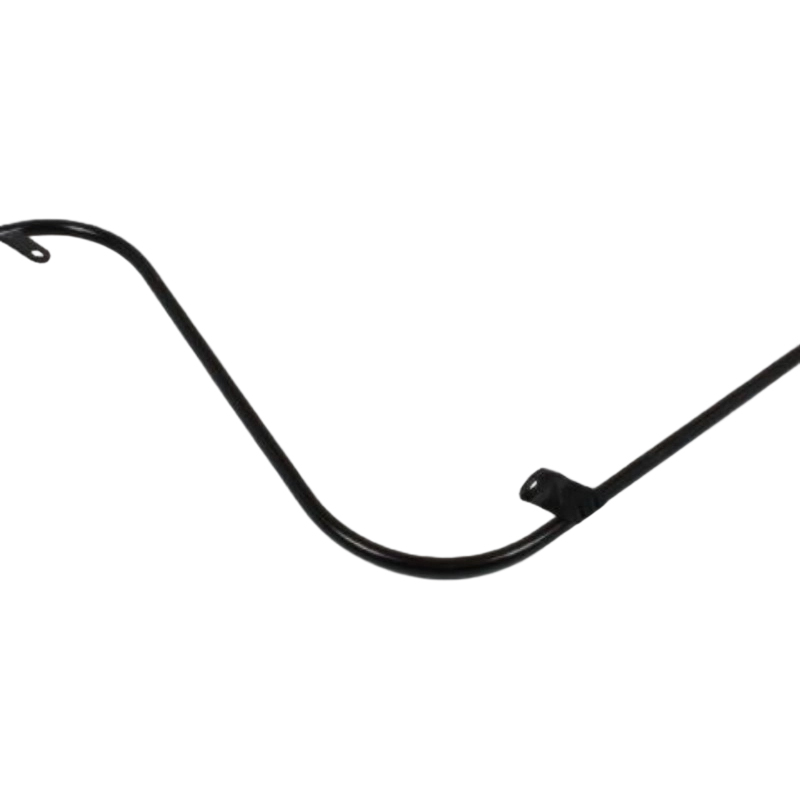
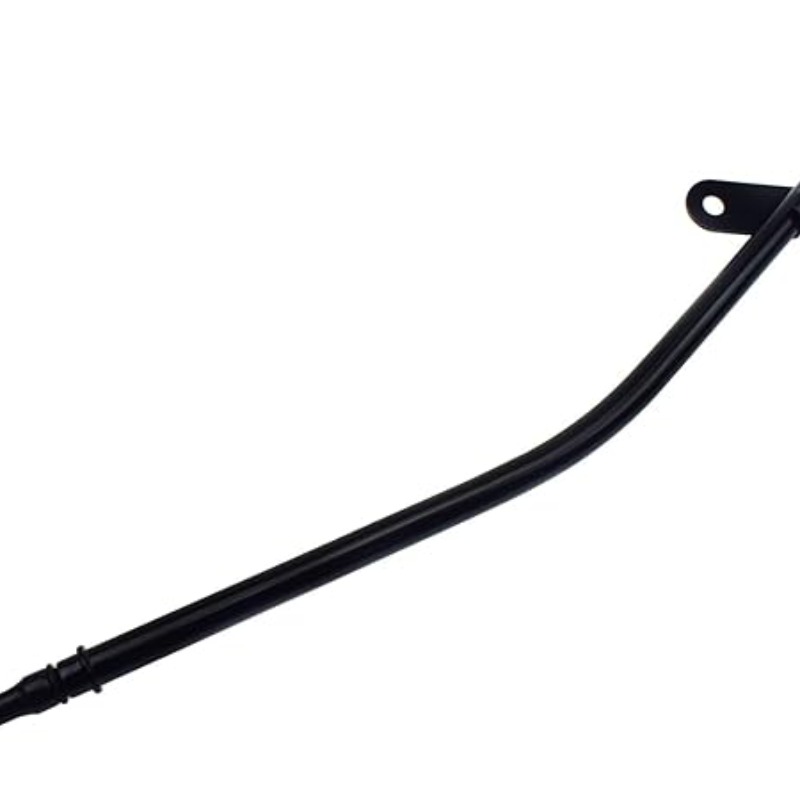
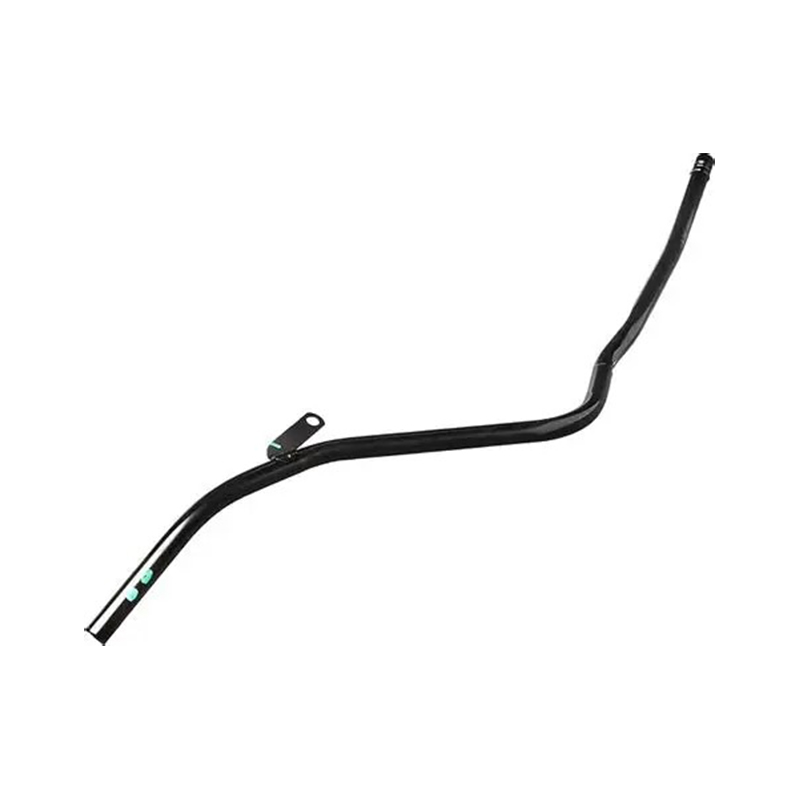
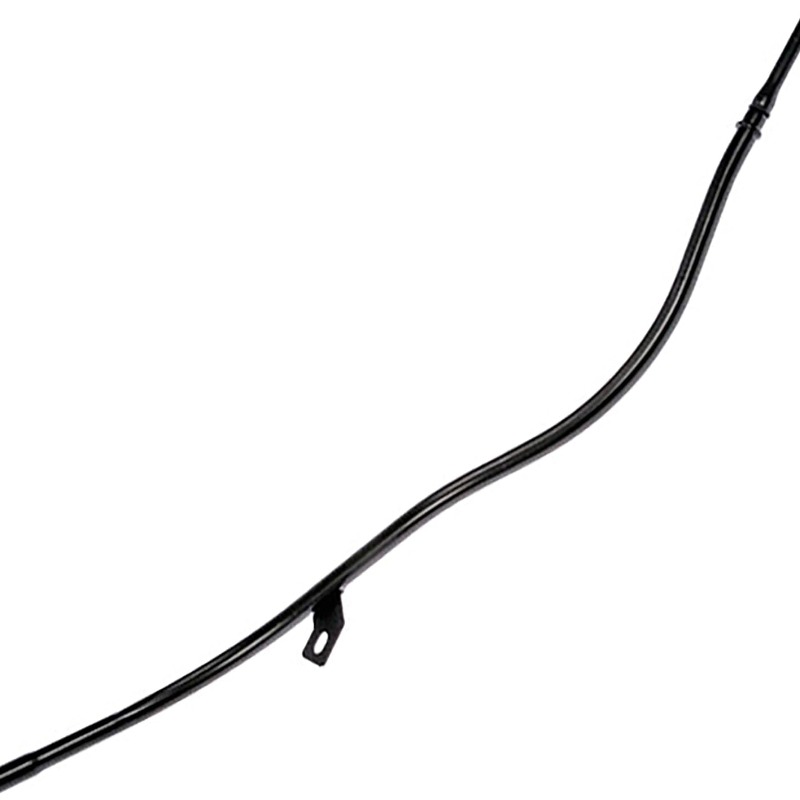
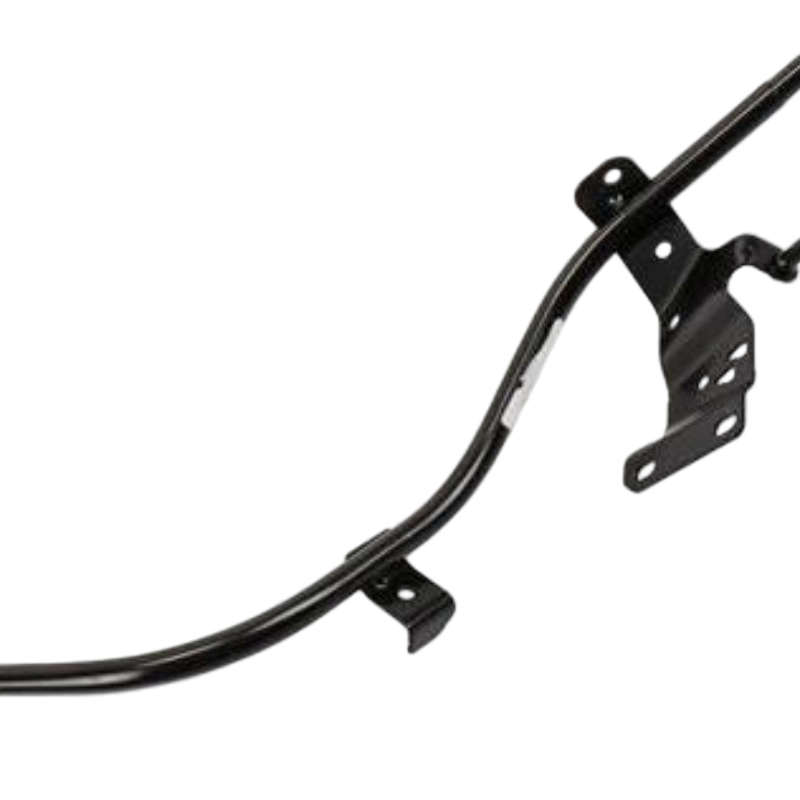
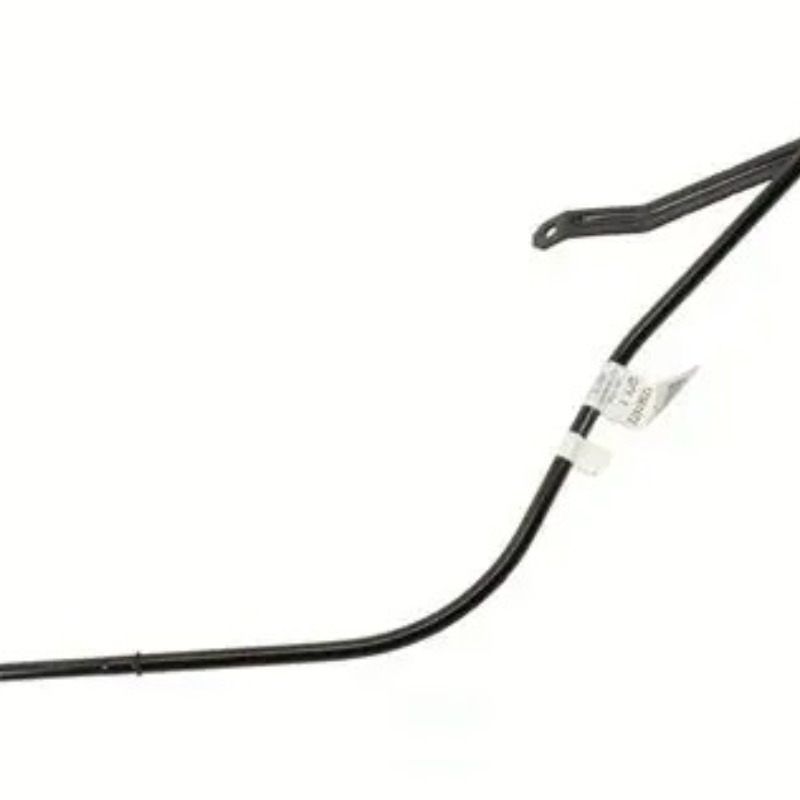
Product Overview
Automotive metal tube processing is the set of shaping and joining steps applied to tube after it leaves the mill. A raw length is cut to size, deburred, bent to a route, formed at the ends and often joined to brackets, fittings or other tubes. The sequence is chosen to protect wall thickness and surface quality.
Because each operation influences the next, a good processor plans the full route from the start. Bending before end forming, or brazing before machining, can change the final dimension, so the process plan is as important as the machines.
Main points for buyers
- Complete list of operations on the quote, so nothing is missing at delivery
- Compatibility between material and joining method, such as brazing versus laser welding
- Dimensional stability after heat input from welding or brazing
- Cleanliness and burr control for fluid systems
- Packaging that protects ends and finished surfaces in transit
Processing cost is driven by the number of operations, cycle time on each machine and scrap rate. Material choice and plating or coating add further cost. When comparing suppliers, list each operation separately so you can see which one carries the price difference, and include inspection and packaging in the comparison.
Specification
| Parameter | Specification |
| Raw Material | Steel, stainless steel, aluminum, copper tube |
| Outside Diameter | Approx. 10 to 80 mm |
| Cutting | Length controlled to drawing, deburred |
| Bending | CNC fully automatic bending |
| Forming | Internal hydroforming up to 1.5 m length, water expansion |
| Joining | Laser welding, robot welding, arc welding, brazing |
| Machining | Machining centers for ends and fittings |
| Cleaning | Cleaned as required by application |
| Quality Check | Dimensional inspection and laboratory support |
| Samples and MOQ | Samples available; MOQ agreed per part |
Application
Application Scenarios
| Application Scenarios | Typical Parts | Key Requirement |
| Fuel and Fluid Lines | Rigid lines with fittings | Leak-free connections |
| Cooling Systems | Pipes joined to brackets | Strength after brazing |
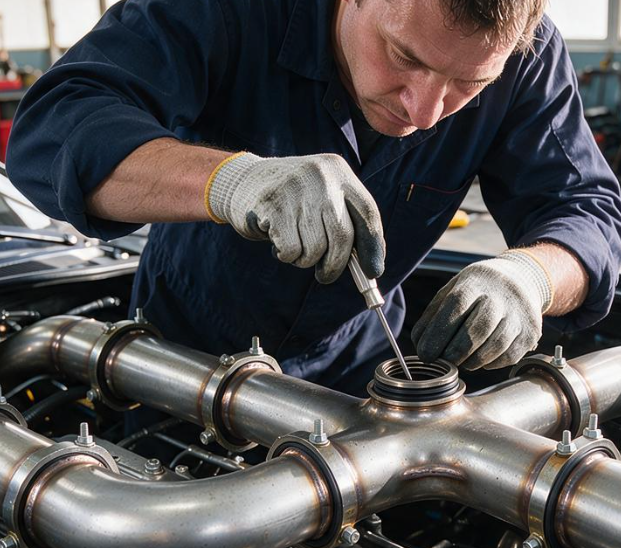
| Exhaust Components | Welded tube assemblies | Weld integrity under heat |
| Repair and Aftermarket | Replacement tube parts | Accurate fit to original |
Target Customers
Suitable and Unsuitable Uses
Suitable Uses
- Parts needing several operations in sequence
- Mixed-material assemblies with joined fittings
- Customers who want one supplier for the full route
Unsuitable Uses
- Raw tube sales only with no processing
- Parts with unclear drawings or operations
- Items that need certifications we have not agreed
Selection Guidance
- List every operation you need, in order.
- Pick the joining method according to material and service heat.
- Specify cleanliness and packaging requirements.
- Request a sample before the full production run.
Usage Notes
- Confirm the process sequence on the first article
- Check dimensions after welding or brazing heat
- Inspect ends for burrs before assembly
- Protect finished surfaces from scratches
- Keep batch records for traceability
Advantages
Full Route Under One Roof
Cutting, bending, forming, joining and machining sit in one factory. Parts move between steps without outside transport, which shortens delivery and reduces damage risk.
Large-Scale Brazing Lines
Two large brazing furnace lines allow batch joining of tube assemblies. Consistent furnace cycles give uniform joints and predictable strength.
Robot and Laser Welding
Four welding robots, four laser welders and six Panasonic arc welders cover different joint types. The right method for each material improves weld quality and lowers rework.
Hydraulic Forming Range
Ten internal forming machines handle diameters of 10 to 80 mm and lengths up to 1.5 m. Buyers can combine complex shapes with fewer joined pieces.
Supporting Machine Depth
Over 30 supporting forming machines allow quick set-up for varied end shapes. Short changeover helps small and medium batches stay on schedule.
Own R&D and Processing Center
In-house development supports process planning from the first drawing. Early engineering input reduces cost and avoids late design changes.
Frequently Asked Questions
- Q: What operations can you combine in one order?
- A: Cutting, bending, end forming, expansion, welding, brazing, machining and testing can be combined in one project.
- Q: Can you process tubes that we supply?
- A: Yes. We can process customer-supplied tube or source suitable material in China, depending on your preference.
- Q: How do you choose between brazing and welding?
- A: It depends on material, joint design and service temperature. Our engineers recommend the method after reviewing the drawing.
- Q: Do you clean tubes after processing?
- A: Yes. Cleaning is arranged according to the application, and special cleanliness requirements can be agreed in advance.
- Q: Can you process aluminum tube?
- A: Yes. Aluminum can be cut, bent and formed, and joining method is selected for the alloy.
- Q: What lead time should I expect?
- A: Lead time depends on tooling, quantity and operations. We confirm a schedule after drawing review and sample approval.
- Q: Do you provide inspection records?
- A: Dimensional records and laboratory checks can be provided on request for samples and production lots.
- Q: What is the minimum order quantity?
- A: MOQ is agreed per part according to the operations involved. Please contact us with your drawing and expected volume.