English
 Español
Automotive Pipe Fabrication
-- Steady & Reliable Manufacturer --
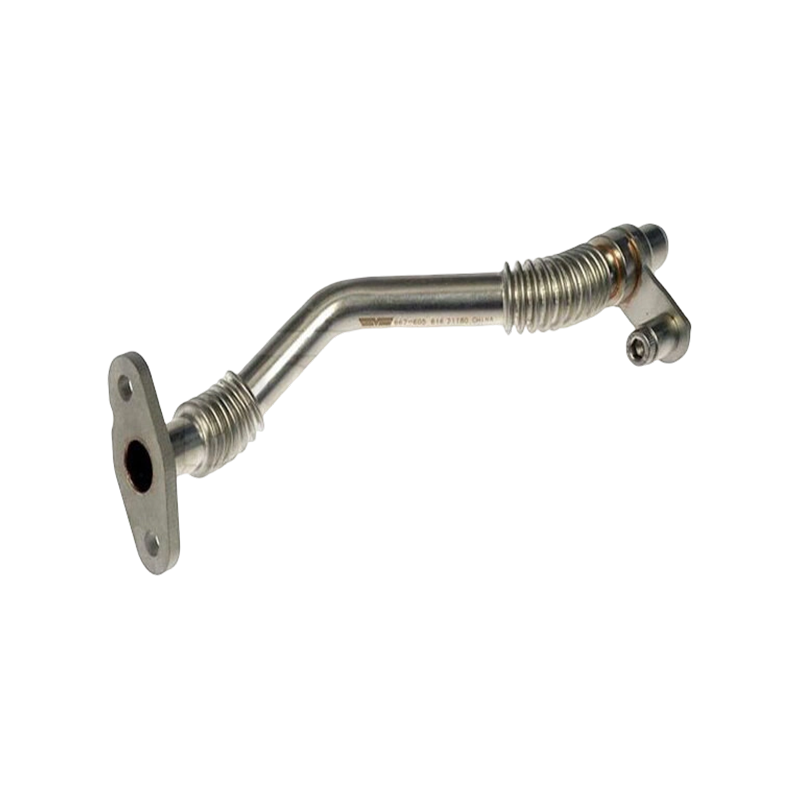
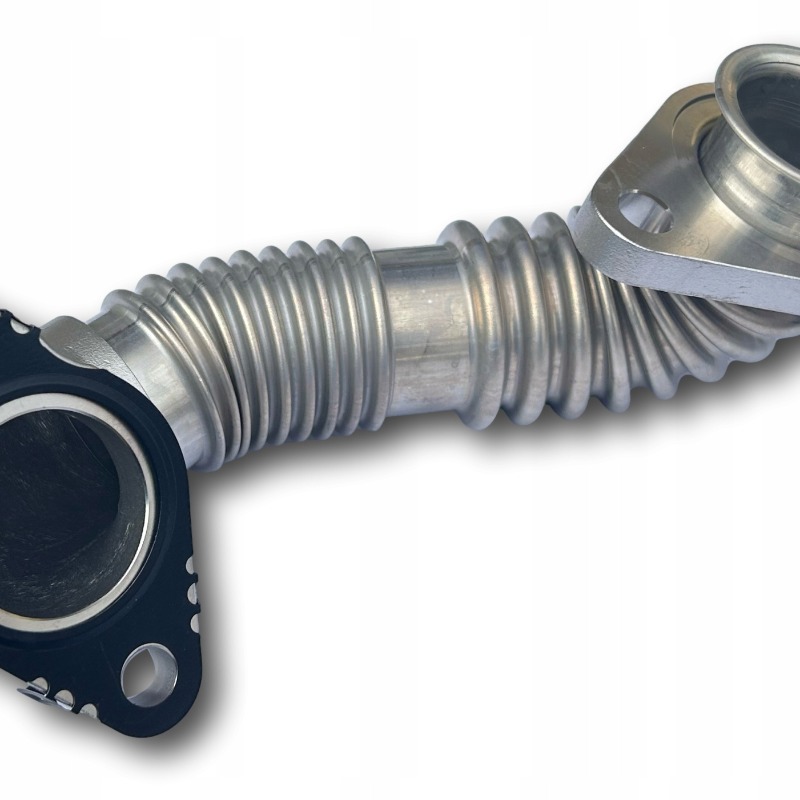
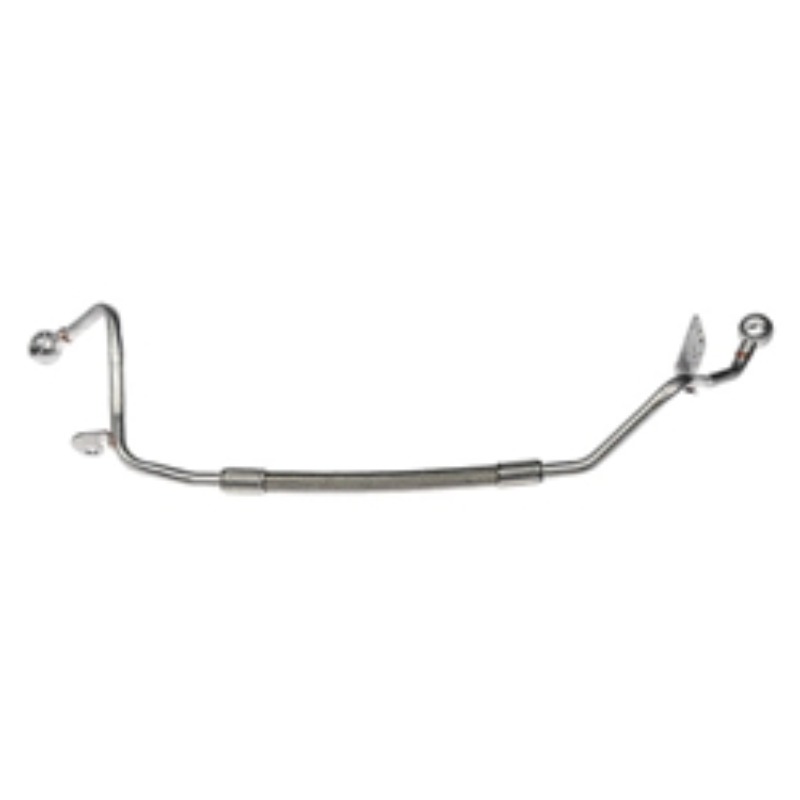
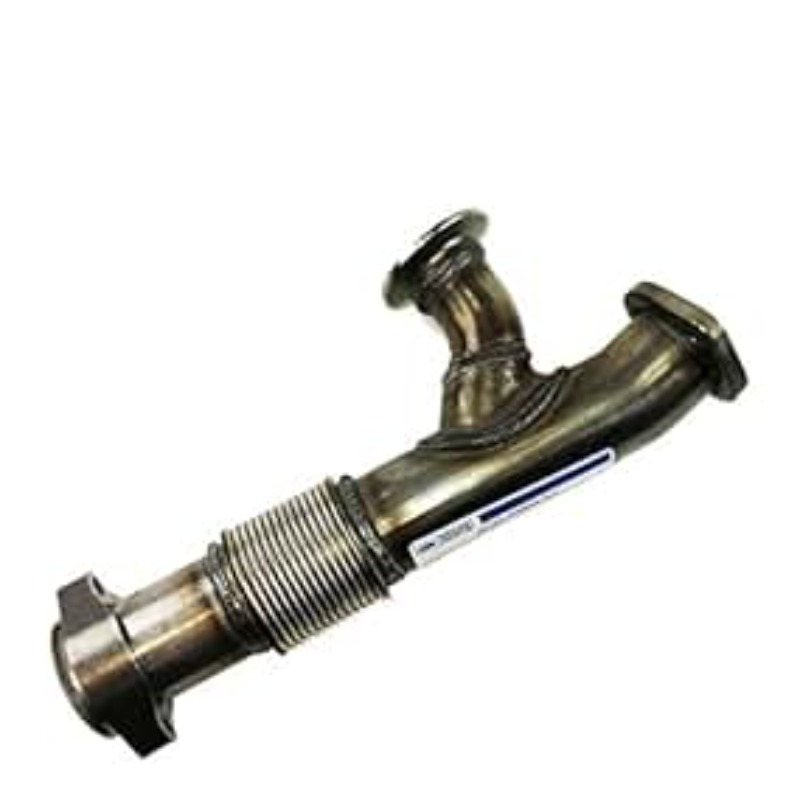
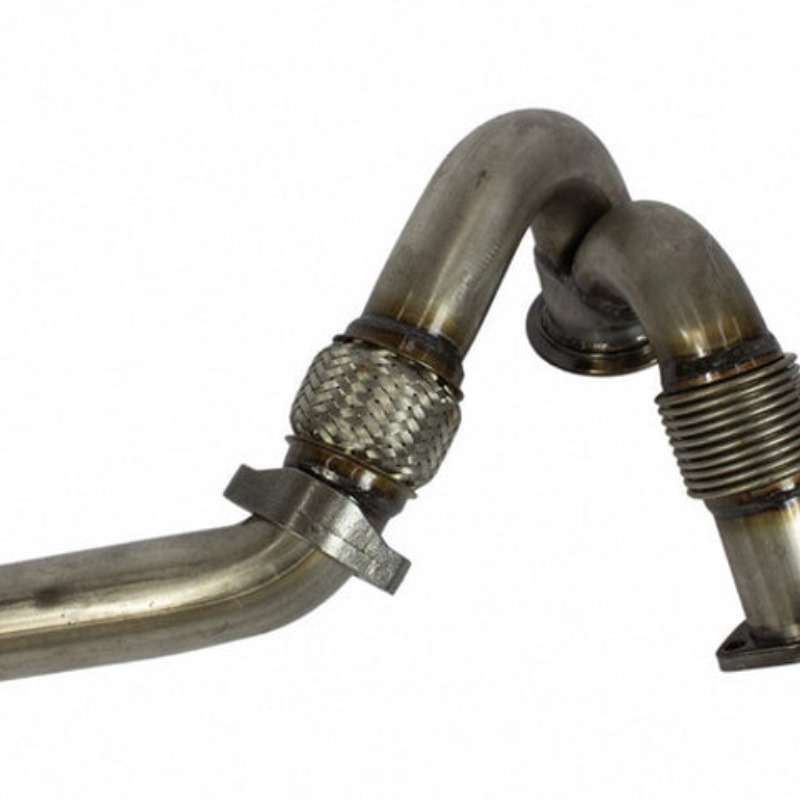
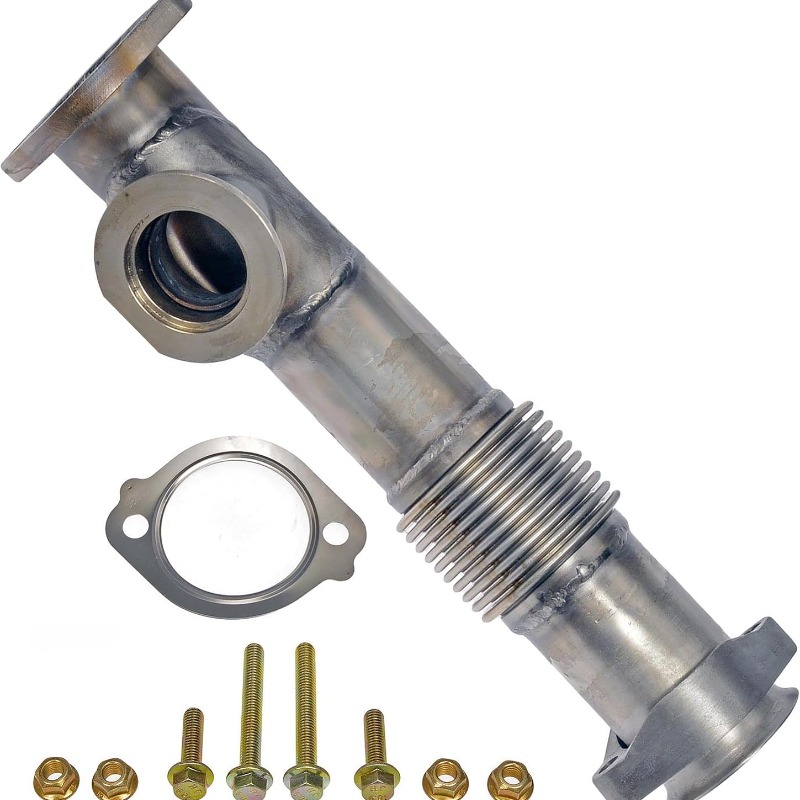
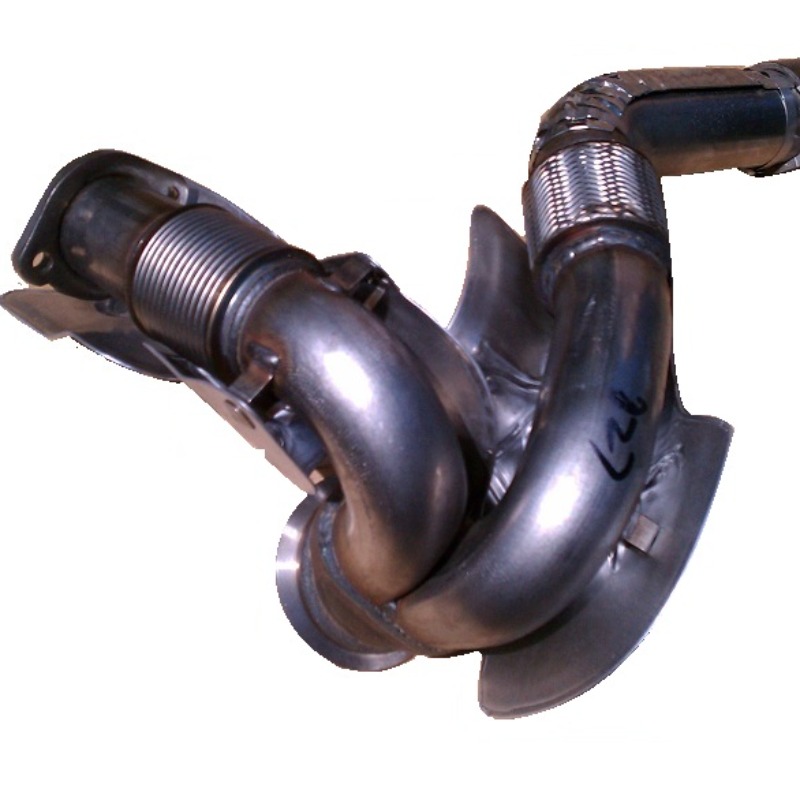
Application
Application Scenarios
| Application | Typical Parts | Buyer Focus |
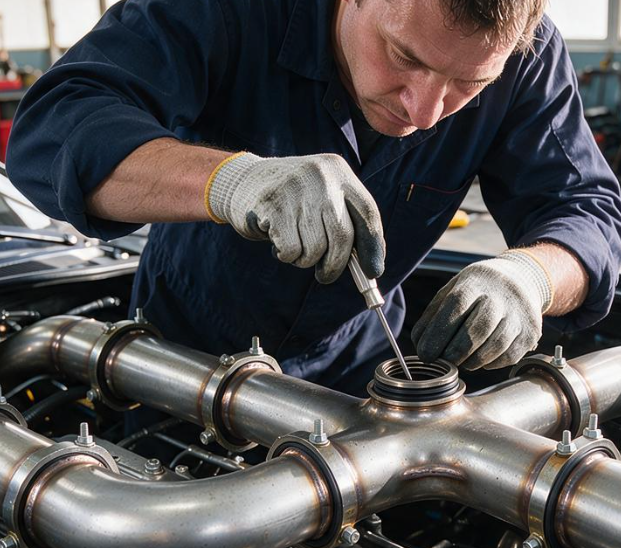
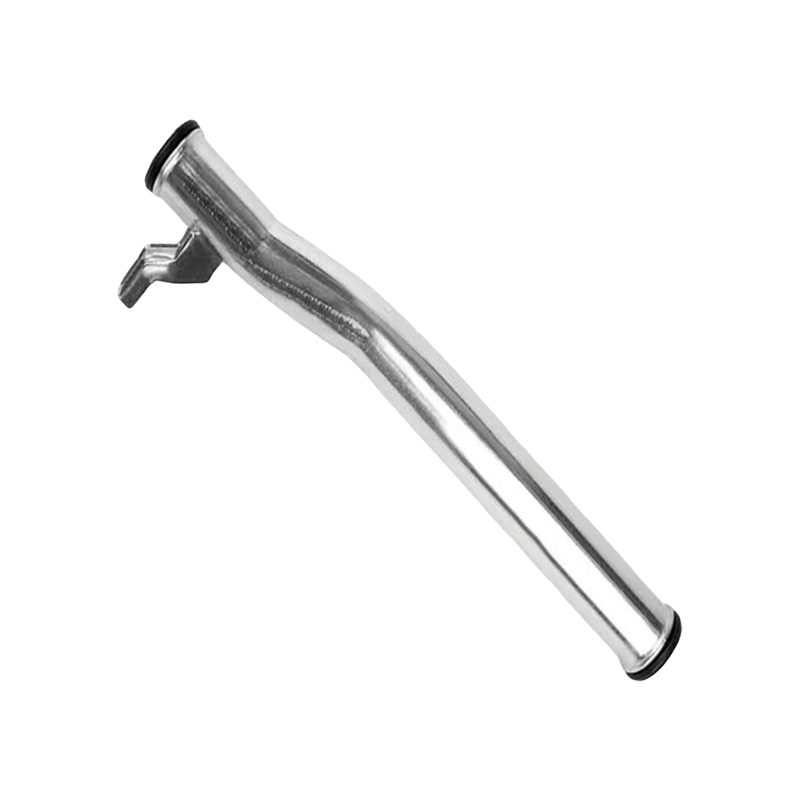
| Exhaust sections | Flanged pipes, connectors and bends | Weld integrity and flange alignment |
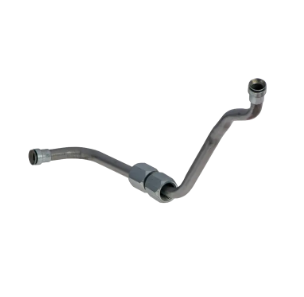
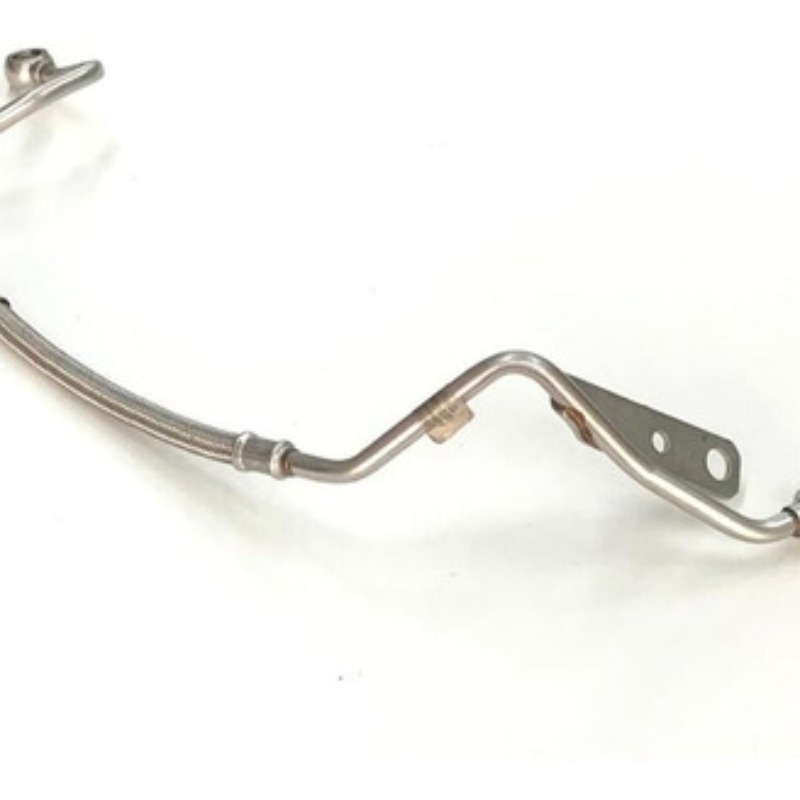
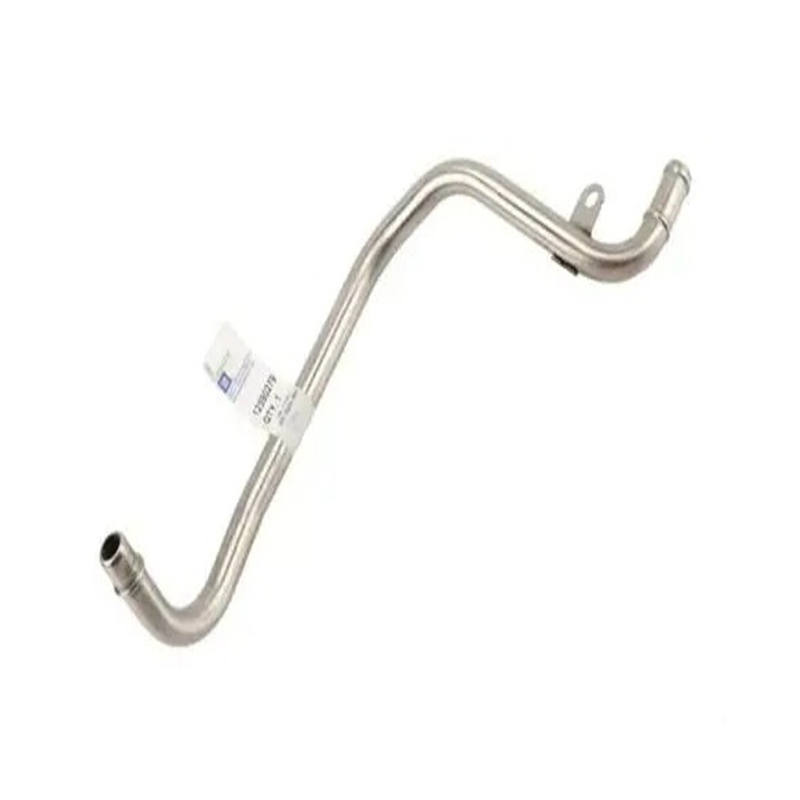
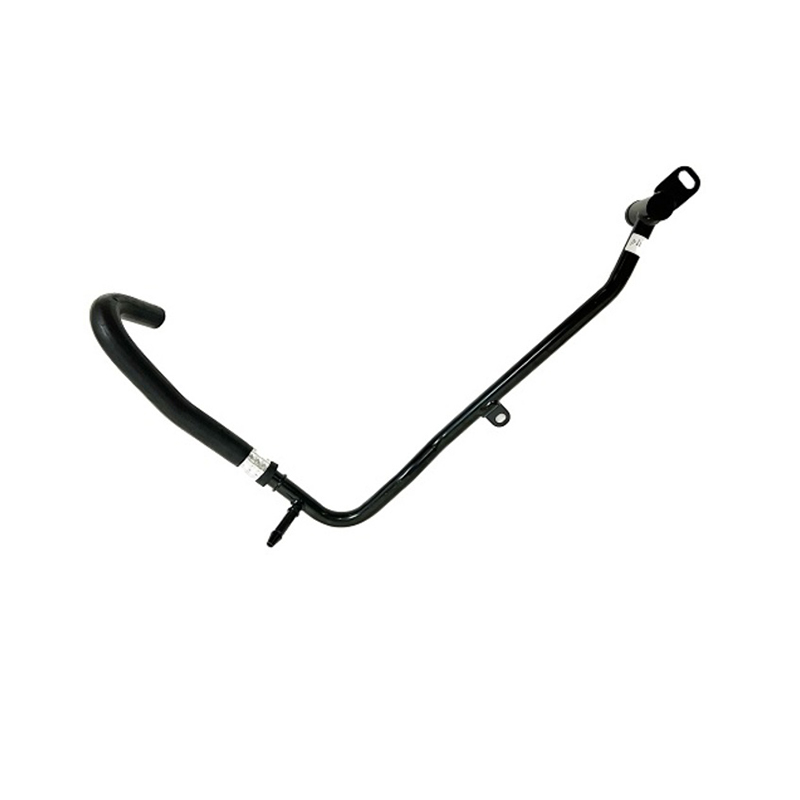
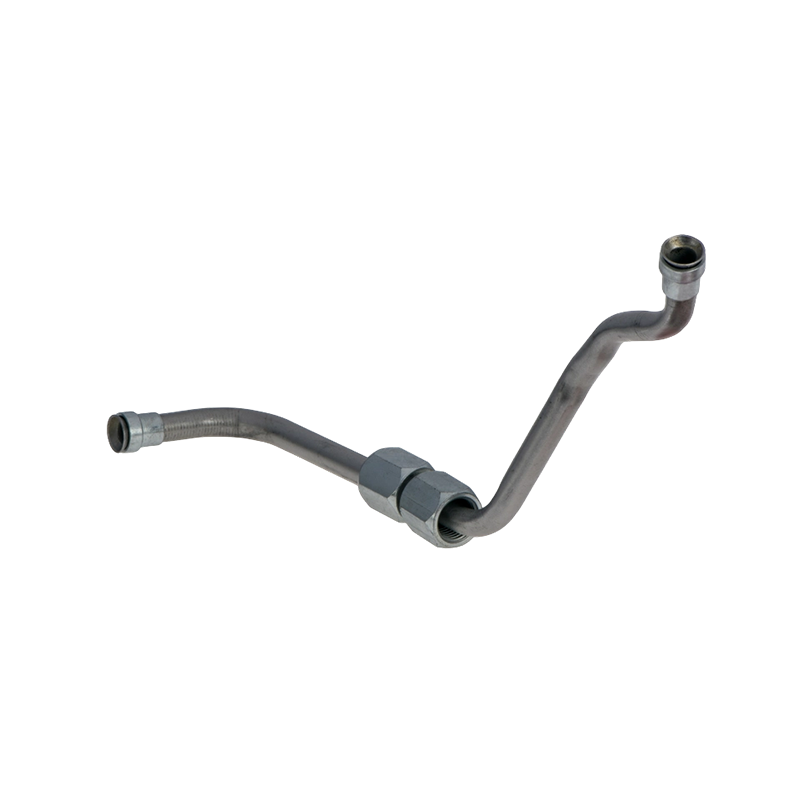
| Fluid and fuel lines | Tubes with fittings and brackets | Leak tightness and fit |
| Engine accessories | Oil, coolant and air lines | Cleanliness and accuracy |
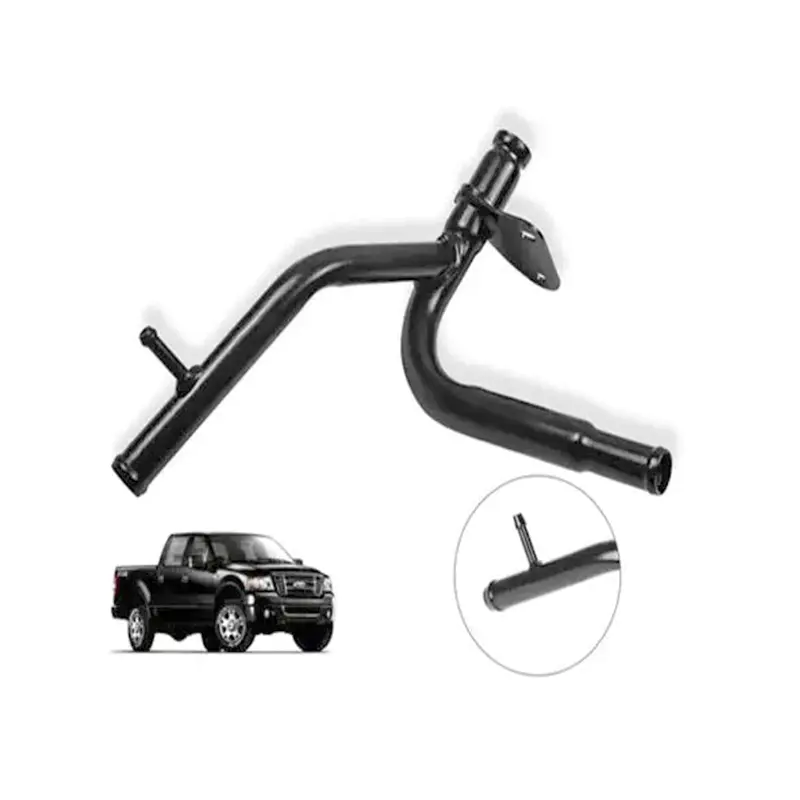
| Aftermarket parts | Replacement fabricated pipes | Fit to original and stable repeat orders |
Target Customers
Exhaust and Fluid System Makers
Need a single fabricator for bending, welding and machining.
Vehicle Component Suppliers
Need repeatable fabricated parts with inspection records.
Sourcing Companies
Need consolidated fabrication under one factory instead of several vendors.
Suitable and Unsuitable Uses
Suitable Uses
- Parts that need several operations in a defined sequence
- Flanged or fitted pipes that need machined sealing faces
- Repeat orders where fixtures and processes can be standardized
Unsuitable Uses
- Plain cut-to-length tube with no further processing
- Structural fabrication unrelated to automotive pipe
- Jobs with no drawing, sample or defined quality requirements
Selection Guidance
- 1List all operations. Cutting, bending, forming, welding, machining and finishing should all appear in the request.
- 2Choose the joining method. Match laser, robot, arc welding or brazing to the joint and material.
- 3Define the sequence. Confirm whether machining happens before or after welding.
- 4Set inspection points. State where dimensions, weld quality and leak tests are verified.
Usage Notes
- Check weld seams for porosity, cracks and incomplete fusion.
- Verify flange flatness and hole positions after welding.
- Keep fixtures and gauges matched to the current drawing revision.
- Clean parts of cutting fluid and weld residue before assembly.
- Protect machined faces during packing and transport.
Advantages
- 01
All major operations in one plant
Cutting, bending, forming, welding, brazing and machining run in the same factory. Fewer hand-offs cut lead time and reduce transport damage.
- 02
Multiple welding technologies
Four laser welders, four welding robots and six Panasonic arc welding machines let us match the process to each joint. The right weld method improves strength and reduces rework.
- 03
Machining after welding
Eight machining centers finish flanges, connectors and sealing faces after joining. Flatness and hole position stay within drawing limits, which improves sealing.
- 04
Fixture-based repeatability
We build fixtures for repeat parts so alignment is consistent across batches. Stable geometry reduces assembly issues on your line.
- 05
Shaping capacity
Ten CNC bending machines, ten hydraulic internal forming machines and over thirty supporting forming machines cover many part geometries. You can consolidate several fabricated items with one supplier.
- 06
Laboratory and inspection support
Dimensional checks, weld inspection and leak tests are planned with laboratory support. Clear records help you approve parts and handle quality audits.
Frequently Asked Questions
- Q: What operations are included in automotive pipe fabrication?
- A: We cover cutting, bending, end forming, welding, brazing, machining, surface treatment and assembly. You can order a single step or a complete finished part.
- Q: Which welding methods do you use?
- A: We use laser welding, robot welding and arc welding. The choice depends on material, thickness and joint design, and we recommend the method during quotation review.
- Q: Can you machine flanges and connectors?
- A: Yes. Our machining centers produce flanges, connectors, threads and sealing faces, and they can be finished after welding to control flatness.
- Q: Do you supply brackets and fittings as well?
- A: Yes. We can source or make brackets, nuts and fittings and include them in the assembly. Please state in the RFQ whether you supply them or we do.
- Q: What is the MOQ for fabricated parts?
- A: The MOQ typically starts from around 200 pieces, depending on the number of operations and fixtures. Pilot lots can be discussed.
- Q: How long does a fabrication sample take?
- A: Samples usually take 10 to 25 days after drawing confirmation, depending on fixtures and special operations.
- Q: How do you inspect weld quality?
- A: We inspect welds visually and carry out dimensional and leak tests according to the drawing. Additional checks can be agreed before production starts.
- Q: Can you fabricate parts from a sample?
- A: Yes. We measure the sample, prepare a drawing for your approval, and then make samples for confirmation before regular production.
Contact us to learn more
Send your drawing with quantities for a fabrication quotation covering cutting, forming, welding and machining.
Contact Us
+86-138 0586 3066
+86-574 8840 6311