English
 Español
Automotive Stainless Steel Tubing
-- Steady & Reliable Manufacturer --
Application
Application Scenarios
| Application | Typical Parts | Buyer Focus |
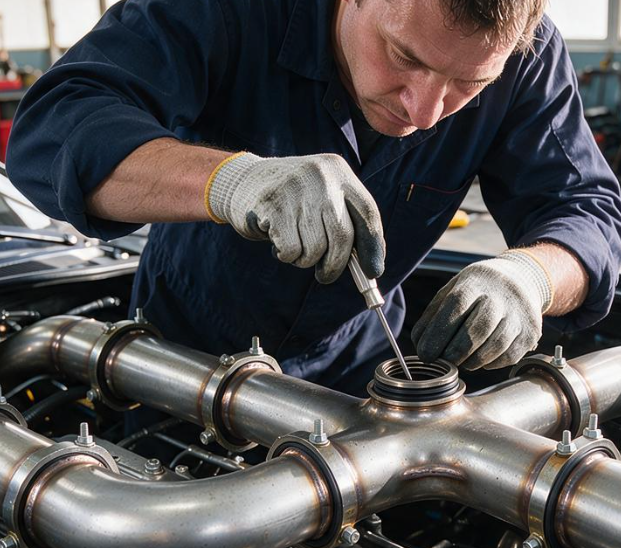
| Exhaust systems | Pipes, flex connections, manifolds, tailpipes | Heat resistance and weld integrity |
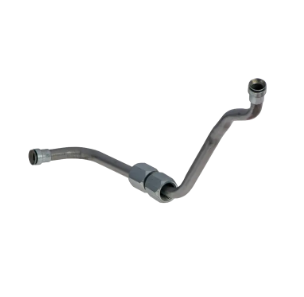
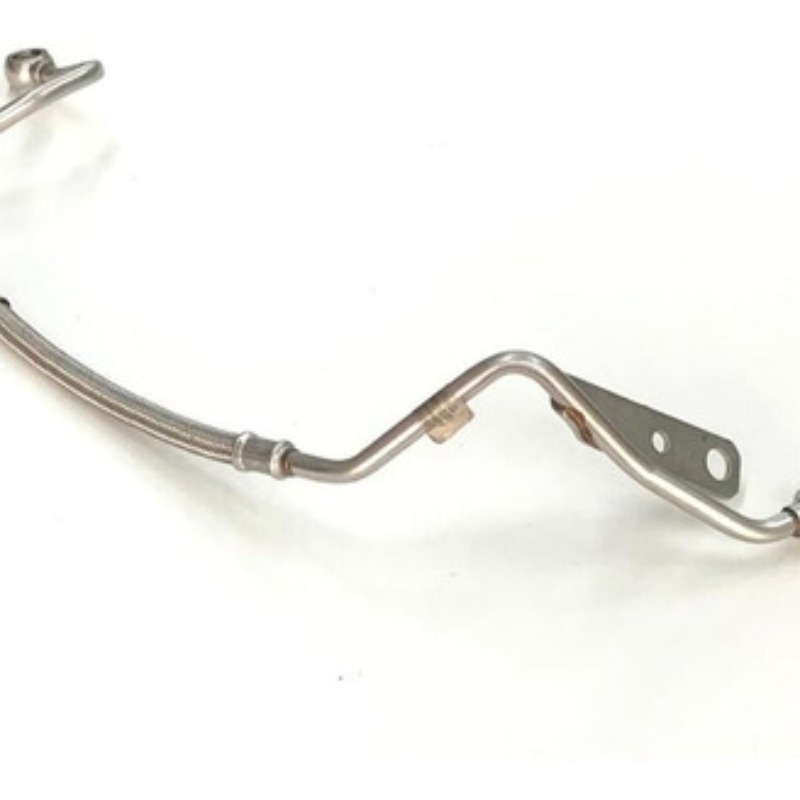
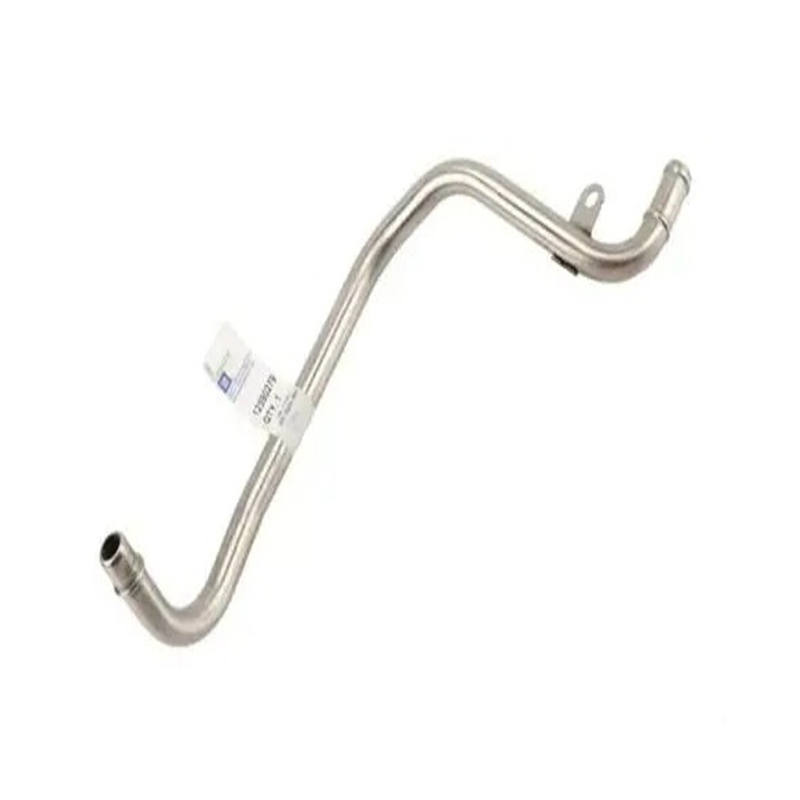
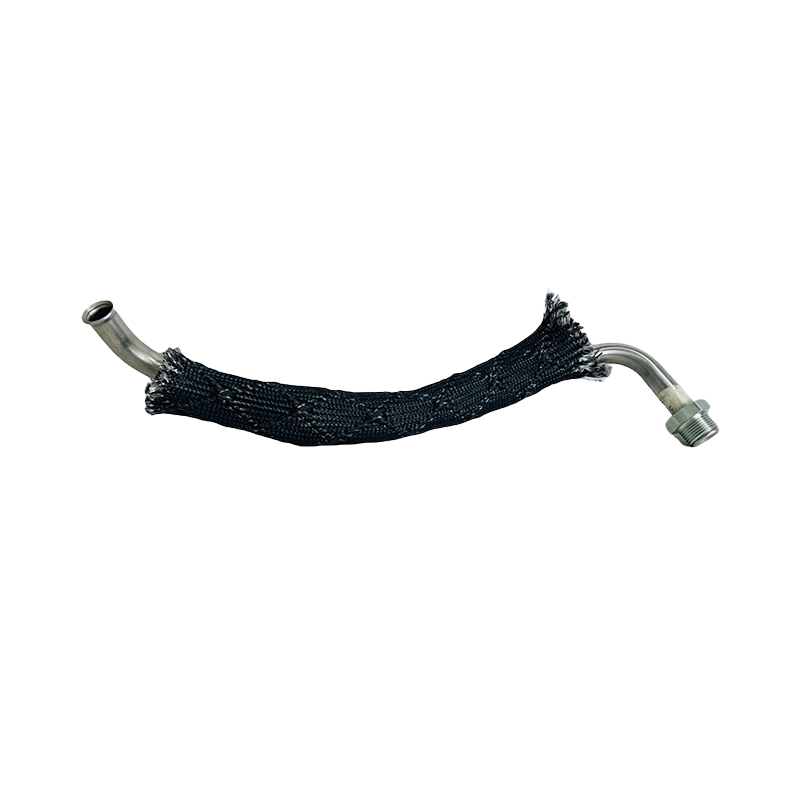
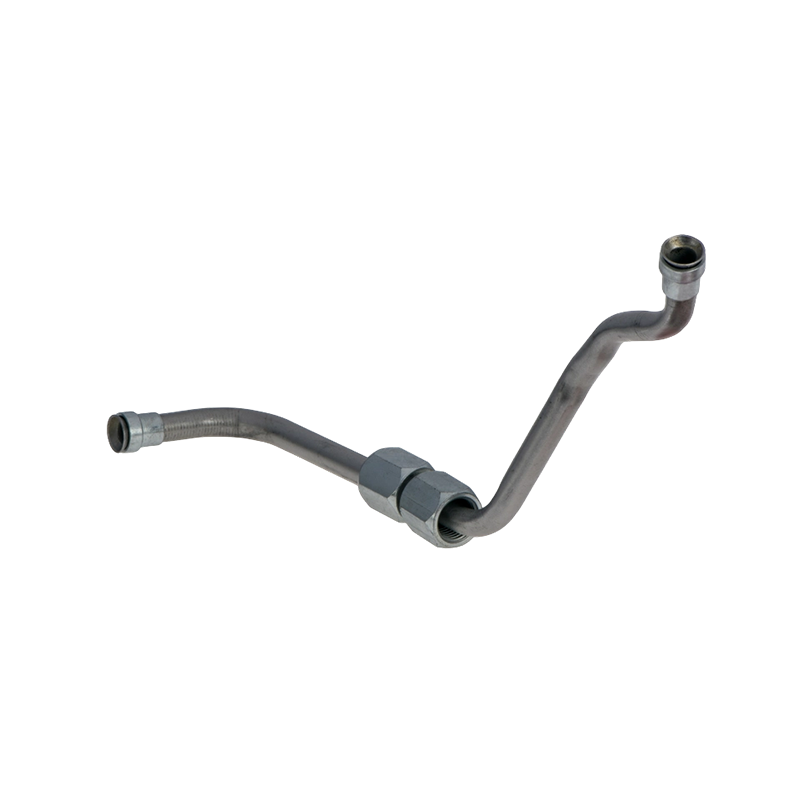
| EGR and turbo lines | EGR tubes, turbo oil and air pipes | Thermal cycling and leak tightness |
| Fuel and vapor systems | Fuel vapor and filler-related tubes | Corrosion resistance and cleanliness |
| Commercial vehicles | Aftertreatment and exhaust tubes | Service life in harsh conditions |
Target Customers
Exhaust System Makers
Need ferritic and austenitic tubes with stable weld quality and bend accuracy.
Aftermarket Brands
Need replacement stainless parts that fit the original and resist rust.
Trading Companies
Need mixed grades and sizes from one factory with consistent documents.
Suitable and Unsuitable Uses
Suitable Uses
- Exhaust, EGR and turbo lines exposed to heat and moisture
- Parts exposed to road salt or chemical splash
- Components where service life matters more than lowest price
Unsuitable Uses
- Low-cost indoor parts where coated carbon steel is enough
- Very high pressure lines without a specified pressure rating
- Parts that require a grade or certificate not yet defined
Selection Guidance
- 1Check the temperature. Ferritic grades suit most exhaust sections, while higher heat or harsher media may need 321 or 316L.
- 2Decide weld or seamless. Welded tube covers most uses, and seamless is for tighter pressure or wall requirements.
- 3Specify the finish. State pickled, passivated or bright, especially for visible or weld-adjacent areas.
- 4Request certificates. Ask for material reports when traceability is part of your quality system.
Usage Notes
- Confirm grade and heat treatment condition on the drawing.
- Avoid contact with carbon steel tools to prevent surface contamination.
- Inspect weld seams and bend areas for cracks or discoloration.
- Check torque and clamp limits when fitting flanges and connectors.
- Keep stainless parts dry and separated during storage.
Advantages
- 01
Wide grade coverage
We process six common grades from 409L and 439 up to 316L and 321. You can choose the grade that fits the temperature and corrosion case, instead of overpaying for a grade you do not need.
- 02
Controlled welding
Four fully automatic laser welders and four welding robots produce consistent seams, backed by six Panasonic arc welding machines for special joints. Stable welds lower the risk of leaks and warranty claims.
- 03
Hydraulic forming on stainless
Ten internal forming machines shape stainless tubes from Φ10 to Φ80 mm up to 1.5 m long. One formed piece can replace several welded parts, which reduces joints and weight.
- 04
Precise bending
Ten CNC fully automatic bending machines keep bend angles and positions repeatable. Parts fit the vehicle first time, which reduces assembly line stoppage.
- 05
Laboratory support
Our laboratory checks material and dimensions before mass production. You get earlier detection of grade mistakes and dimension drift, which protects delivery dates.
- 06
Passivation and finishing options
Pickling and passivation can be arranged for weld-adjacent areas and visible parts. Better surface condition improves corrosion life and reduces field complaints.
Frequently Asked Questions
- Q: Which stainless grade is best for automotive exhaust tubing?
- A: Ferritic grades such as 409L, 439 and 441 are widely used for exhaust lines because they handle heat well at a lower cost. For harsher environments or higher temperatures, 321 or 316L may be better. We can recommend a grade from your operating conditions.
- Q: What is the difference between welded and seamless stainless tubing?
- A: Welded tube is formed from strip and seam-welded, then annealed. It is economical and consistent for most exhaust and fluid lines. Seamless tube suits higher pressure or tighter wall control and costs more.
- Q: Can you provide material certificates?
- A: Yes. Mill test reports can be supplied on request so the grade and chemistry are traceable. Please state this requirement at the quotation stage.
- Q: Do you offer passivation or pickling?
- A: Yes. We can arrange pickling and passivation to restore the surface after welding and bending. Tell us the finish you need and any corrosion test requirement.
- Q: What wall thickness can you bend and form?
- A: Our typical stainless range is about 0.8 to 2.5 mm, depending on diameter, grade and bend radius. Very thin walls or tight radii need a feasibility check on the drawing.
- Q: What is the MOQ for stainless tubing parts?
- A: The MOQ typically starts from around 300 pieces for custom stainless parts. Lower trial quantities can be discussed for new projects.
- Q: How long does a stainless sample take?
- A: Samples typically take 10 to 20 days after drawing and grade are confirmed. If special bending tools or forming dies are needed, we will state the longer time in our quotation.
- Q: Does stainless price change often?
- A: Yes. Stainless pricing follows nickel, chromium and molybdenum markets, so the material part of a quotation is valid for a limited time. We confirm validity and the pricing basis in each quotation.
Contact us to learn more
Tell us the grade, size and operating temperature, and we will recommend a stainless tubing solution.
Contact Us
+86-138 0586 3066
+86-574 8840 6311