English
 Español
Automotive Tube Assembly Manufacturer
-- Steady & Reliable Manufacturer --
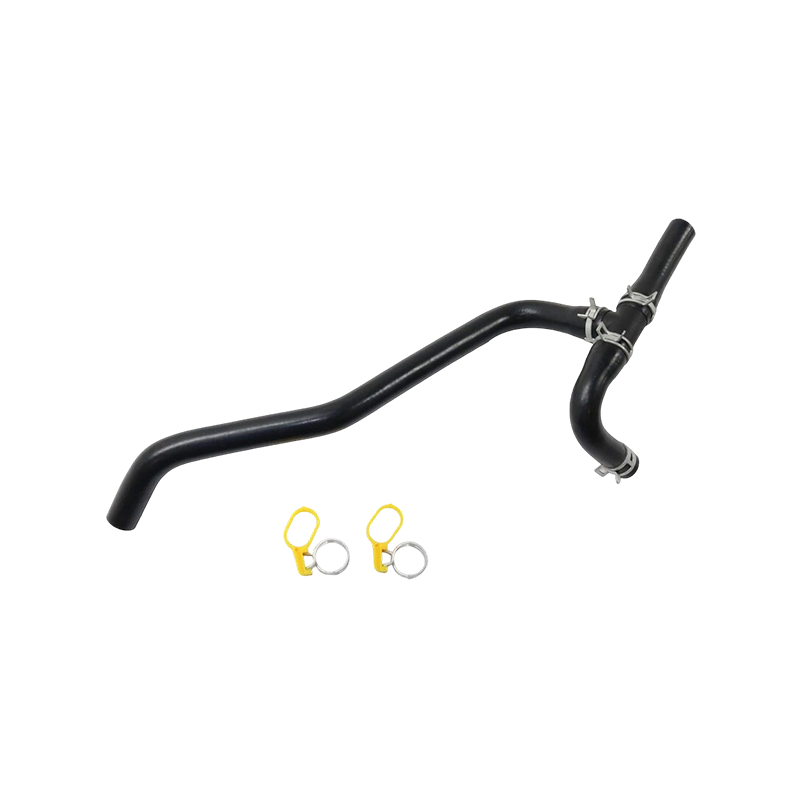
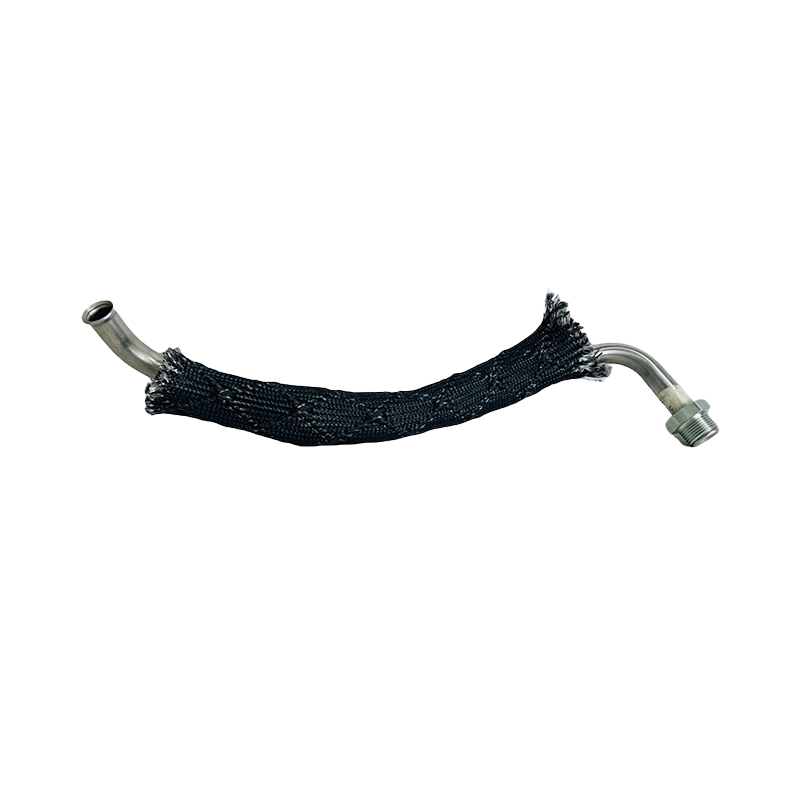
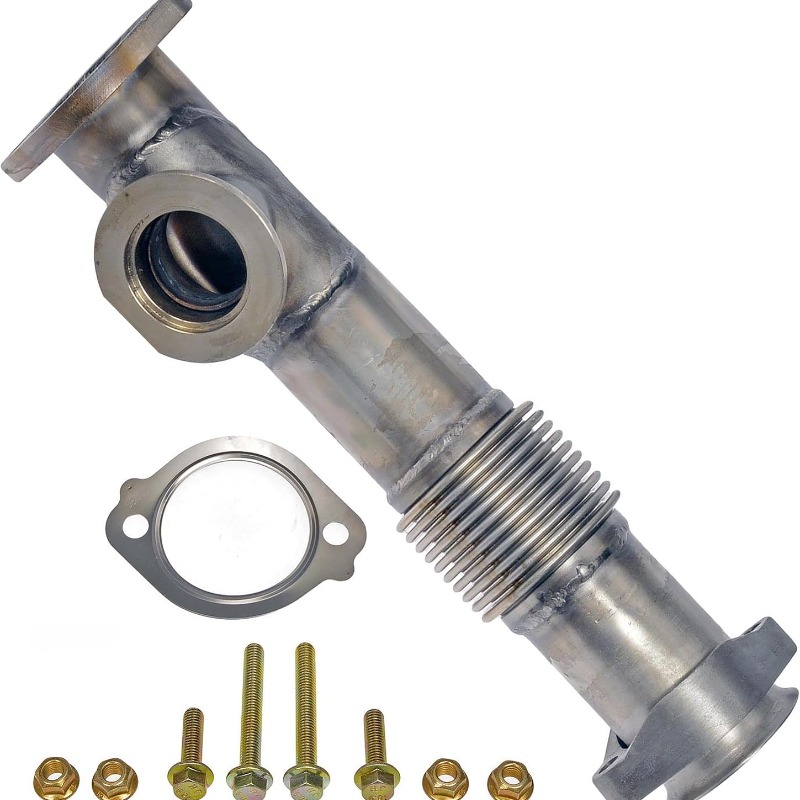
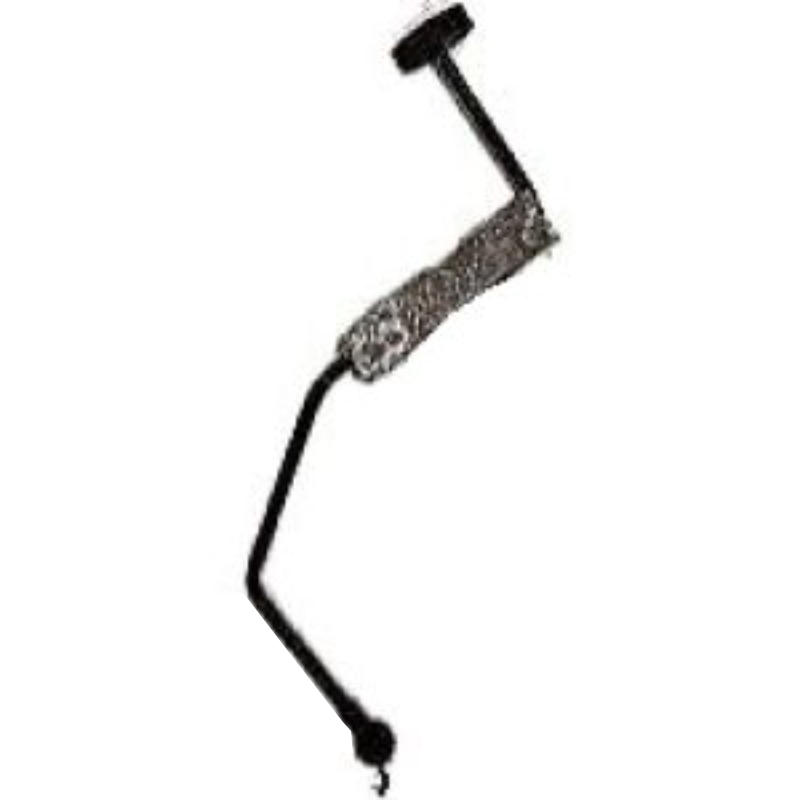
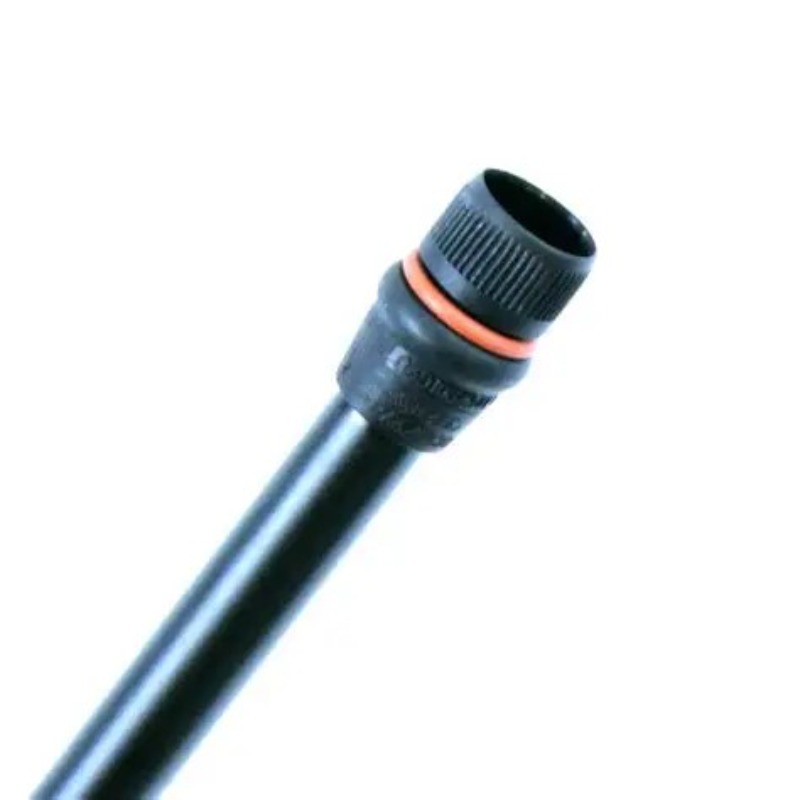
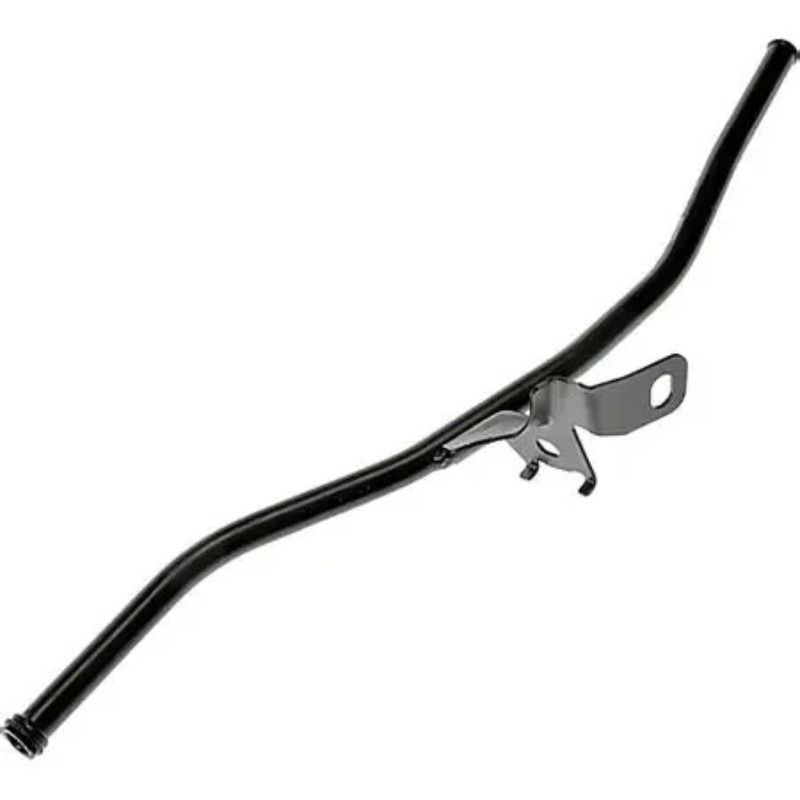
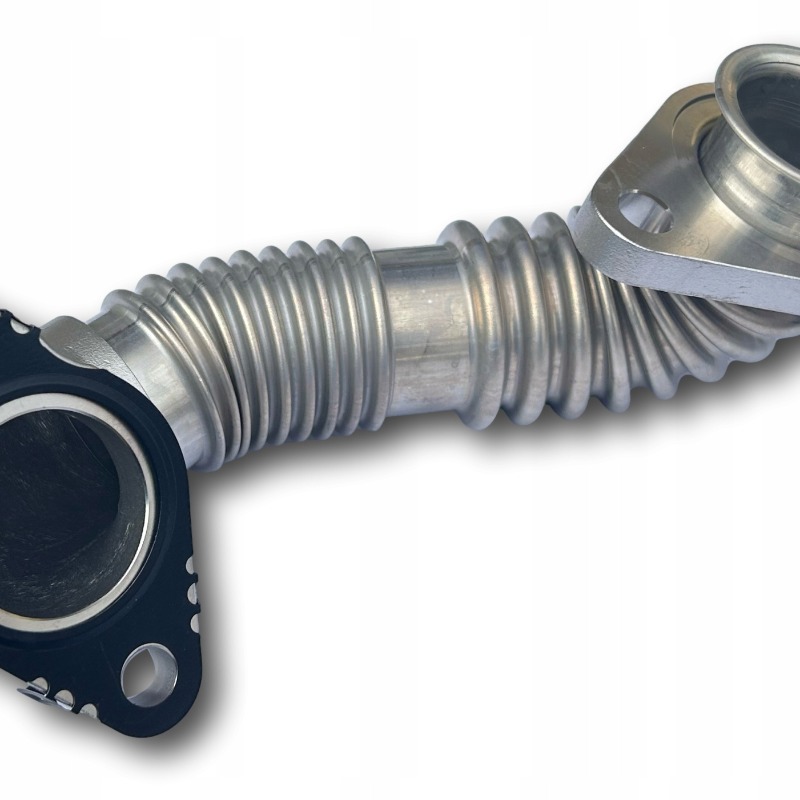
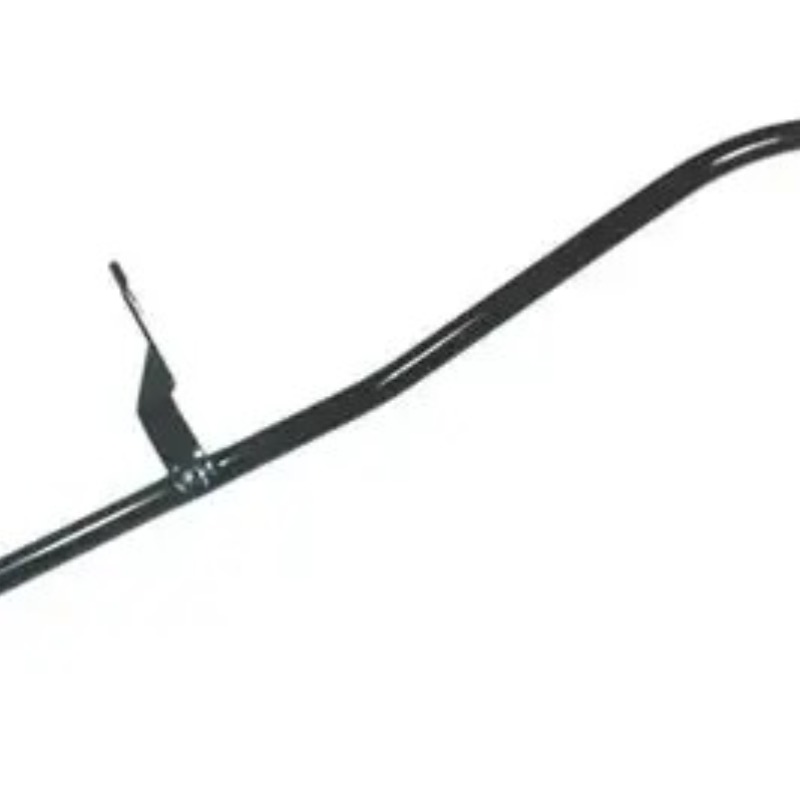
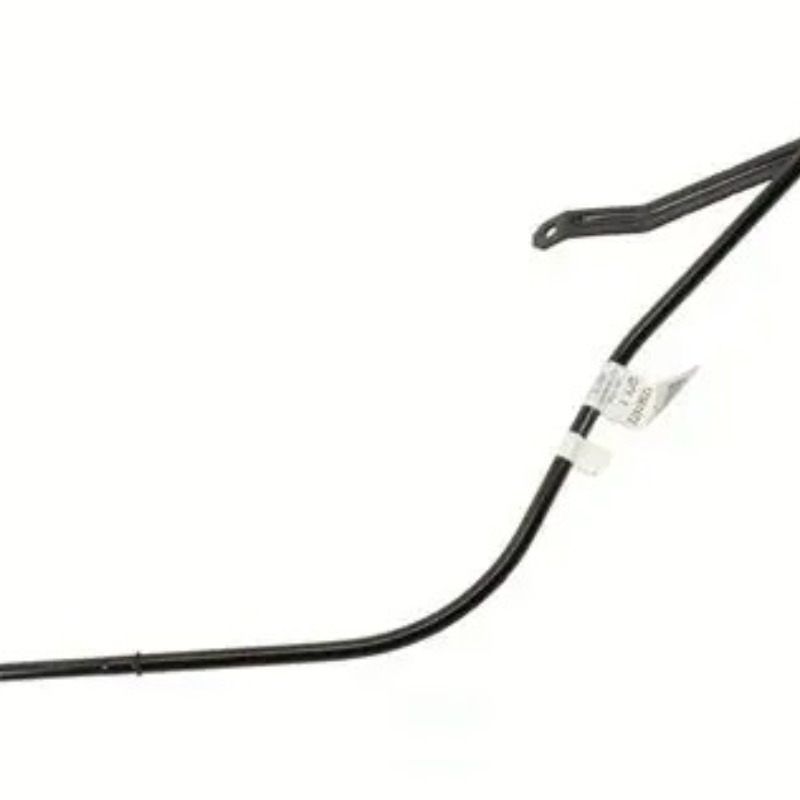
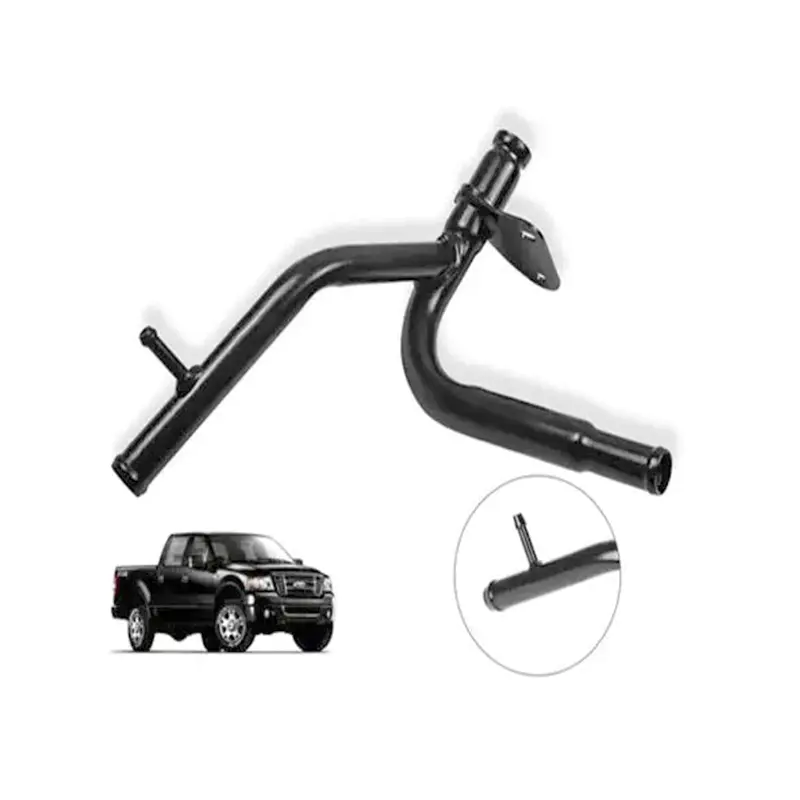
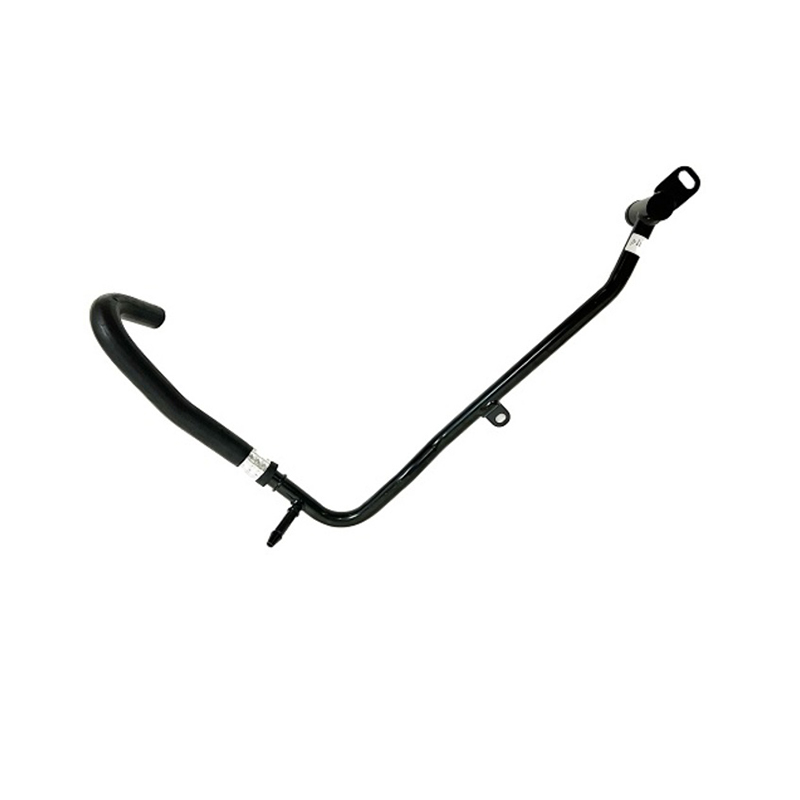
Application
Application Scenarios
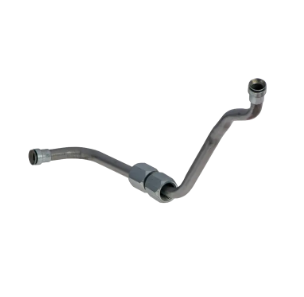
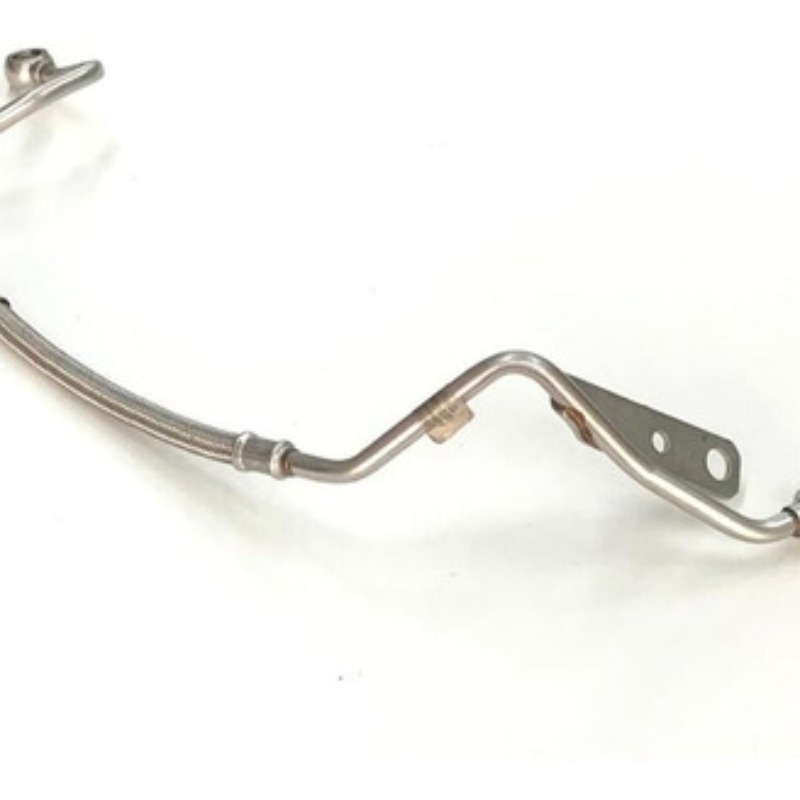
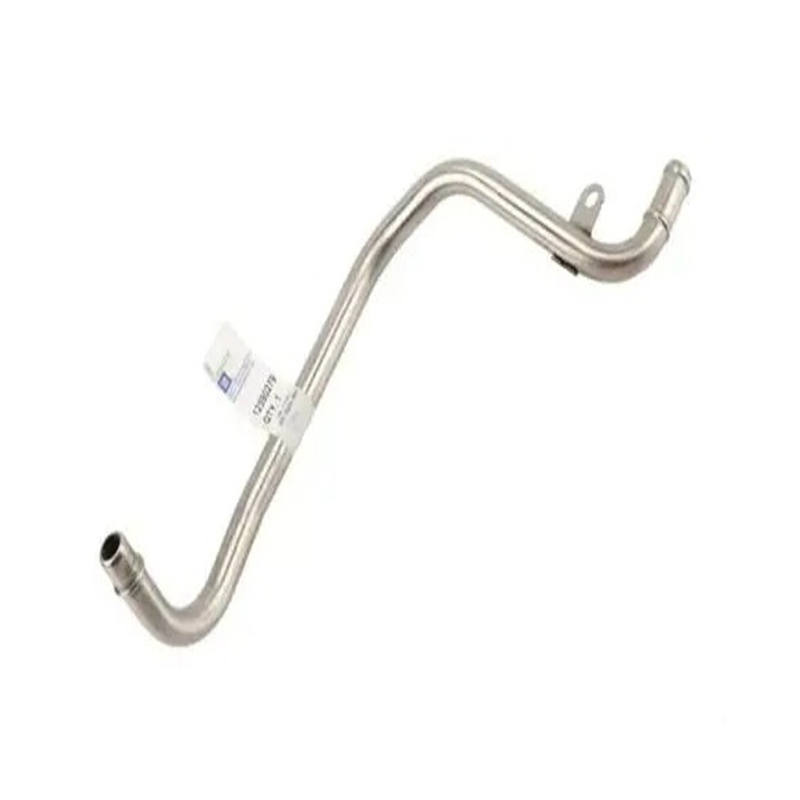
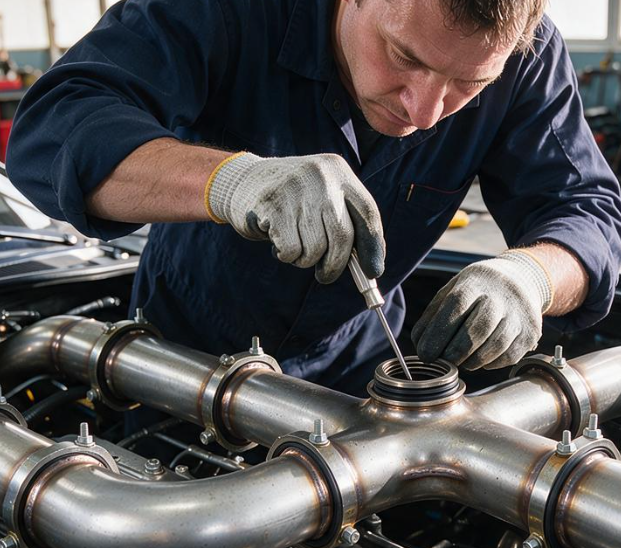
| Application | Typical Parts | Buyer Focus |
| Fuel and oil systems | Fuel line sets and oil cooler lines | Leak tightness and cleanliness |
| Air conditioning | Refrigerant pipe assemblies | Joint quality and cleanliness |
| Cooling systems | Coolant tube sets with fittings | Pressure resistance and fit |
| Exhaust sub-assemblies | Flanged pipe and connector assemblies | Weld quality and alignment |
Target Customers
Component Suppliers
Need finished assemblies with controlled joints and documented tests.
Engine and Compressor Makers
Need clean, leak-tested lines ready for assembly.
Aftermarket Brands
Need complete assemblies with private labeling and packing.
Suitable and Unsuitable Uses
Suitable Uses
- Multi-part lines with several joints and fittings
- Assemblies that must be leak tested before shipment
- Repeat orders with a fixed bill of materials
Unsuitable Uses
- Single tubes that need no joining or testing
- Assemblies without a bill of materials or approved components
- Projects where components cannot be sourced reliably
Selection Guidance
- 1Provide a complete bill of materials. List every component, material and revision.
- 2Choose the joining method. Match brazing or welding to material and joint design.
- 3Set the test plan. Define test medium, pressure, leak limit and sampling.
- 4Plan packing. Specify the tray, bag or rack that suits your receiving line.
Usage Notes
- Confirm all component revisions before production.
- Inspect joints for voids, cracks or incomplete filler flow.
- Check that fittings and flanges are properly aligned.
- Handle assemblies by the tube, not by delicate fittings.
- Keep ends capped until installation to avoid contamination.
Advantages
- 01
Brazing lines for multi-joint assemblies
Two large brazing furnace lines join several joints in one pass with consistent heat. This improves joint repeatability and lowers cost on complex assemblies.
- 02
Welding options
Laser welders, welding robots and Panasonic arc welding machines are available when brazing is not suitable. The right joining process improves strength and reduces leaks.
- 03
In-house components
Eight machining centers make flanges, connectors and threaded parts used in the assembly. Fewer purchased parts shorten lead time and reduce supply risk.
- 04
Tube forming in the same plant
Bending and internal forming machines produce the tubes used in the assembly. Control over tube geometry makes final fit more consistent.
- 05
Tested before shipment
Leak and dimensional tests are carried out according to your drawing, with laboratory support. Early detection of defects lowers return and rework risk.
- 06
Kitting and labeling
We can add labels, bag small parts and pack assemblies in trays or racks to your format. Your receiving team gets parts ready to use, which saves handling time.
Frequently Asked Questions
- Q: What is included in a tube assembly?
- A: An assembly usually includes one or more formed tubes with end fittings, flanges, nuts, brackets or clips. The assembly drawing and bill of materials define the exact content.
- Q: Do you braze or weld the joints?
- A: Both are available. We have two large brazing furnace lines for multi-joint assemblies, and we also use laser welders, welding robots and arc welding machines where they suit the joint.
- Q: Can you source the fittings and small parts?
- A: Yes. We can machine many parts in house and source standard components. Please indicate in the RFQ whether components are supplied by you or by us.
- Q: How do you leak test the assemblies?
- A: Leak tests are done according to your drawing requirement, with test medium, pressure and acceptance limit agreed in advance. Testing every piece or by sampling can be arranged.
- Q: What is the MOQ for tube assemblies?
- A: The MOQ typically starts from around 300 assemblies, depending on component count and fixtures. Pilot lots can be discussed.
- Q: How long does an assembly sample take?
- A: Samples usually take 15 to 30 days after drawing and bill of materials are confirmed. Long component lead time can extend this.
- Q: Can you meet cleanliness requirements?
- A: We clean assemblies after joining and can work to a residue or particle limit when it is stated on the drawing. Please share the requirement and test method.
- Q: Can you pack with our own labels?
- A: Yes. We can apply customer labels and pack assemblies in trays, bags or racks to your specification.
Contact us to learn more
Send your assembly drawing and bill of materials for a quotation, including tubes, fittings and testing.
Contact Us
+86-138 0586 3066
+86-574 8840 6311