English
 Español
Automotive Tube Bending
-- Steady & Reliable Manufacturer --
Brief Product Description
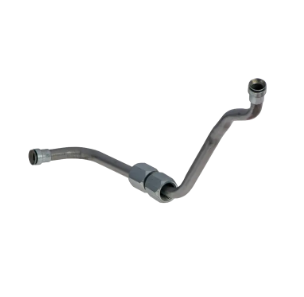
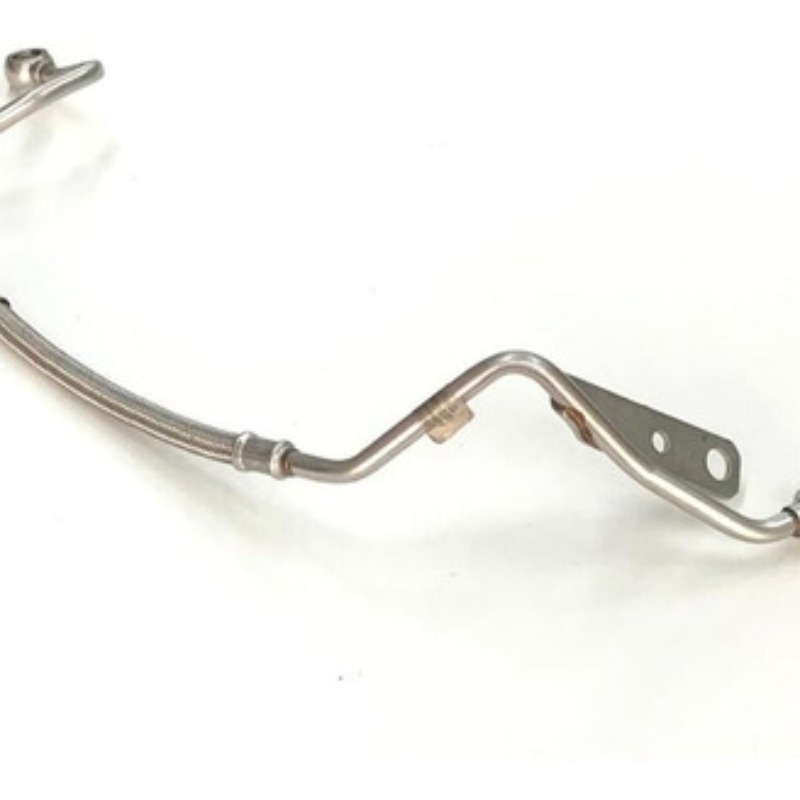
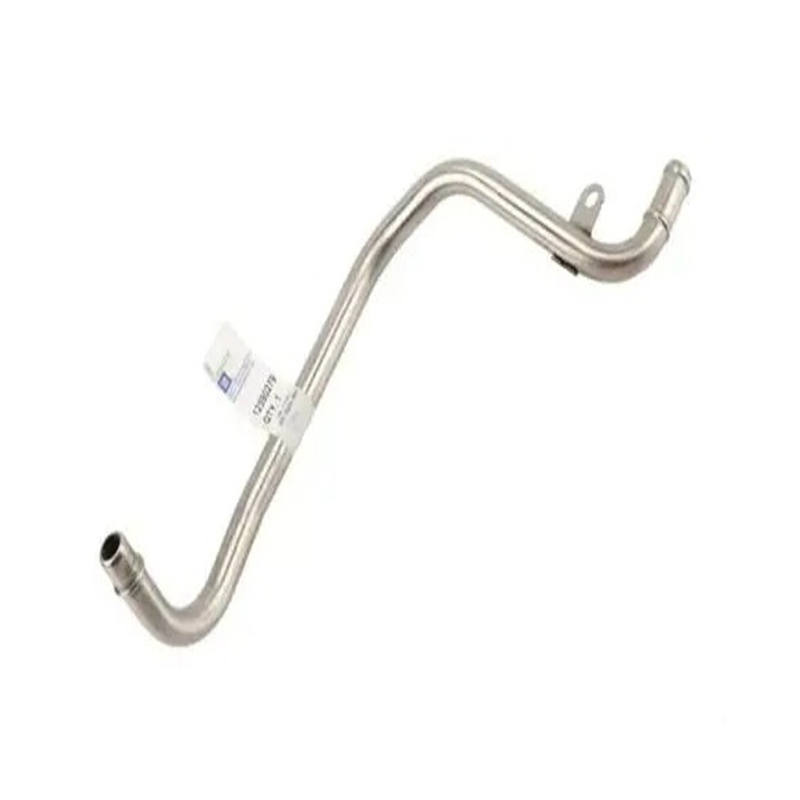
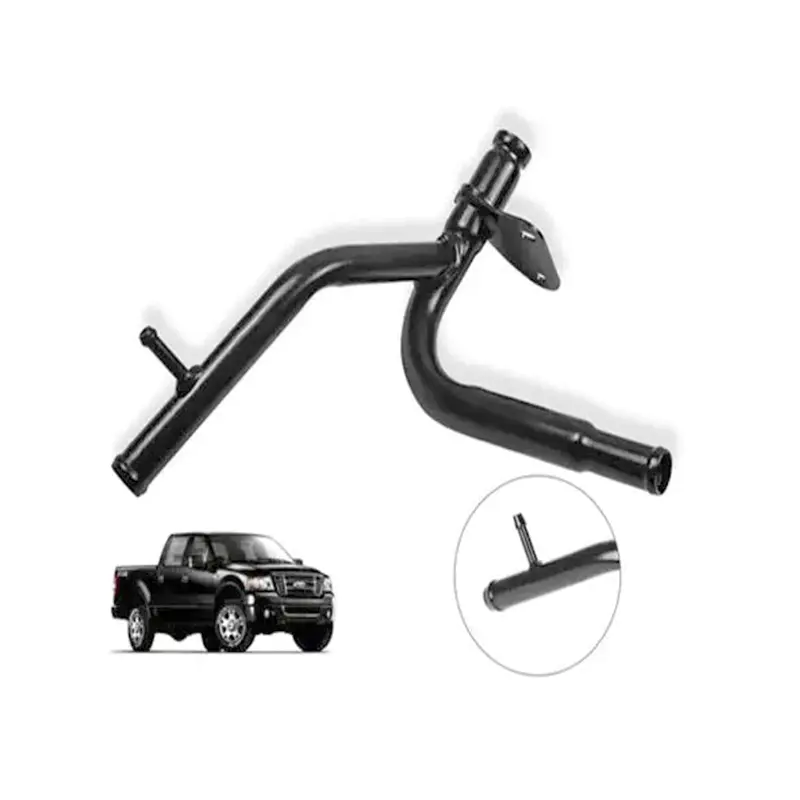
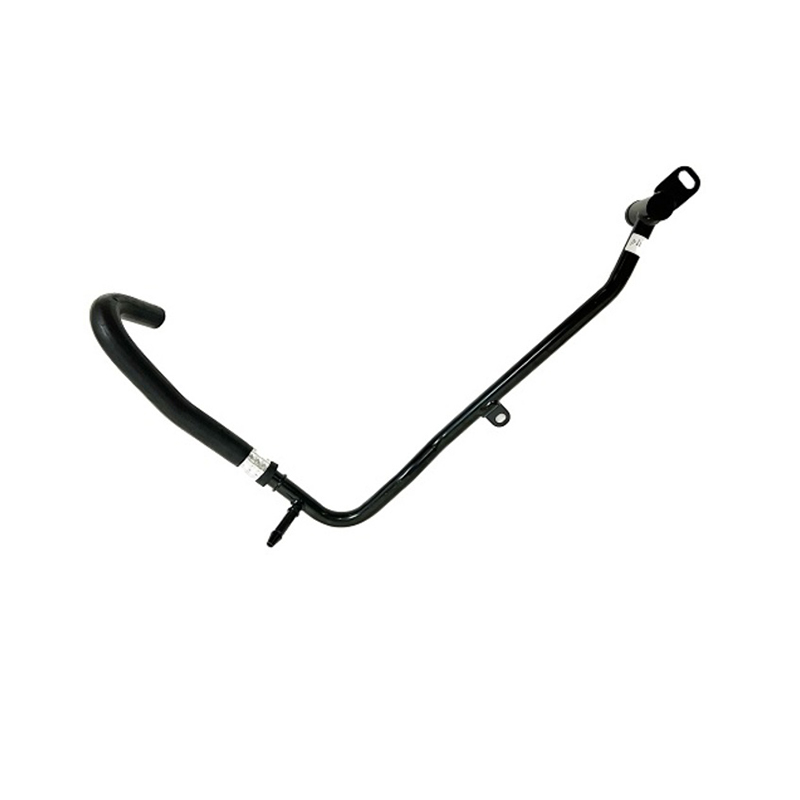
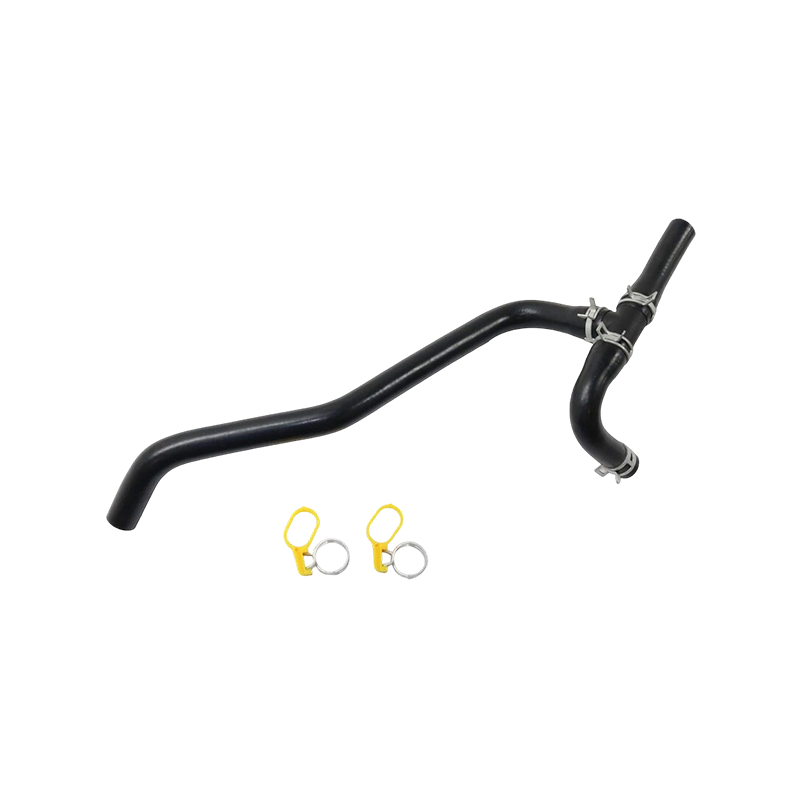
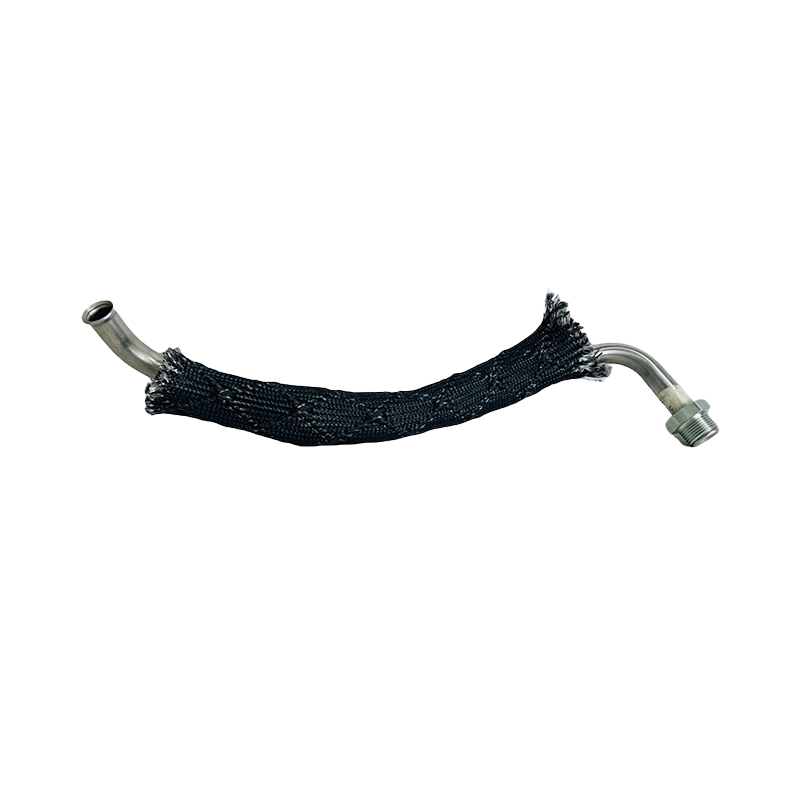
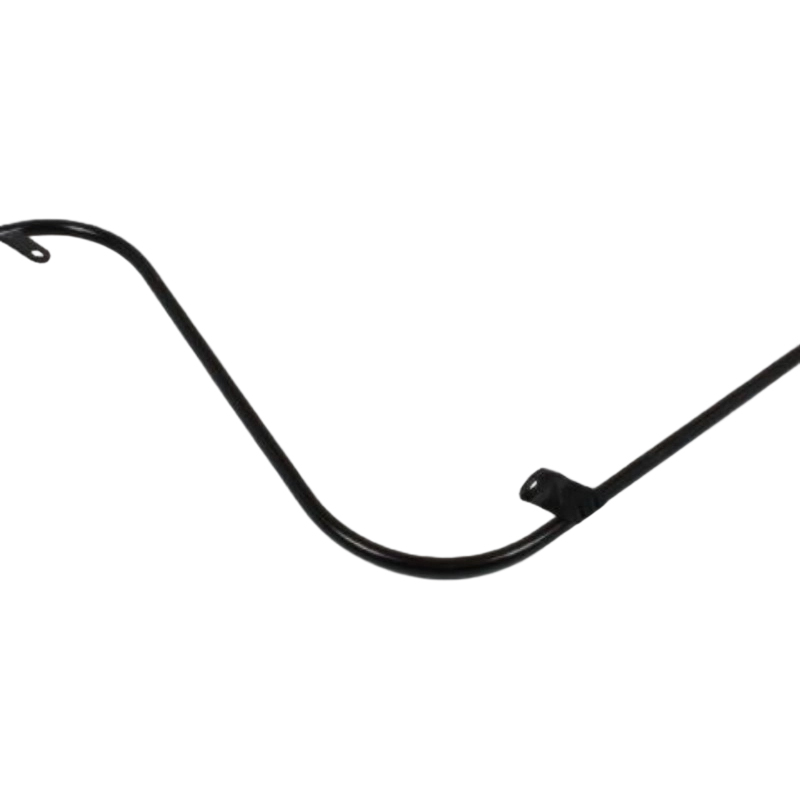
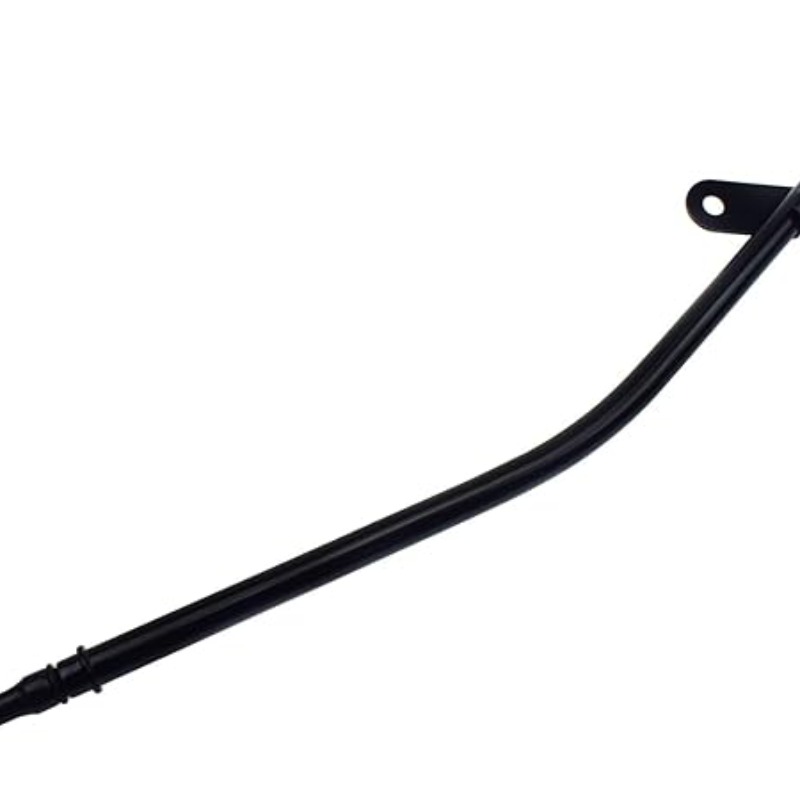
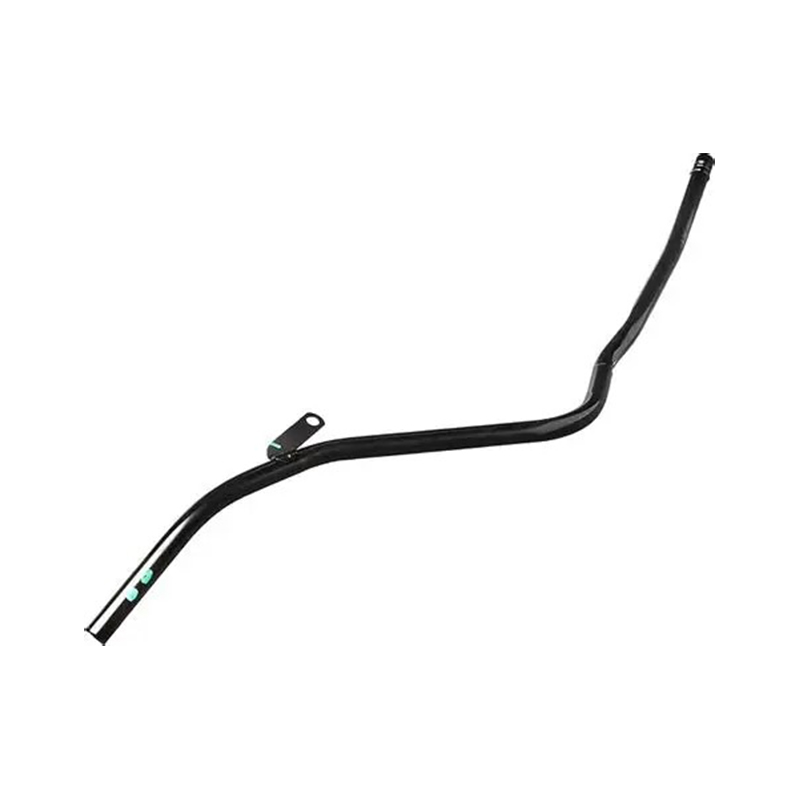
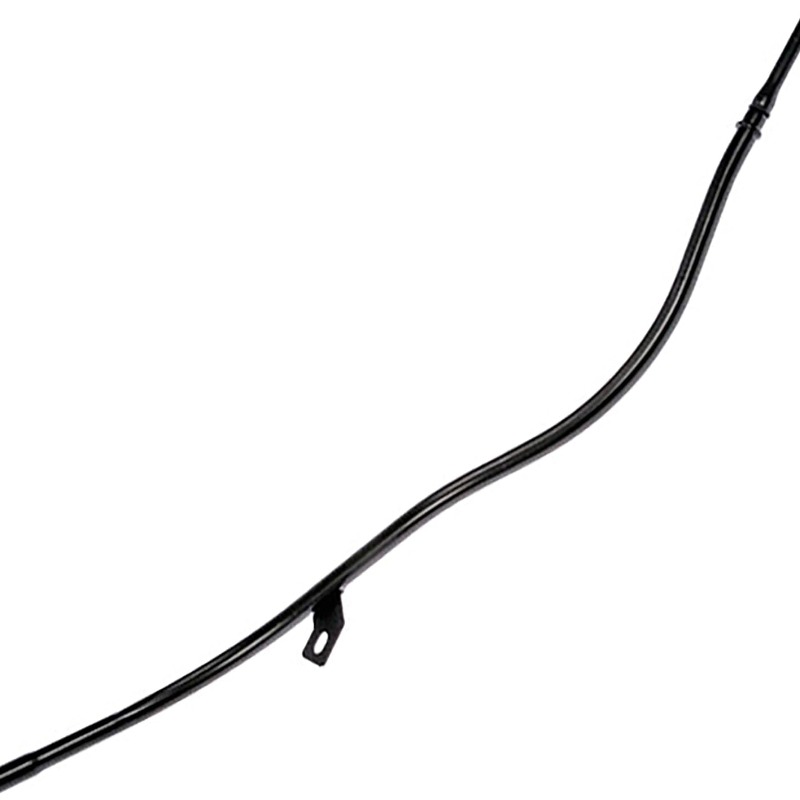
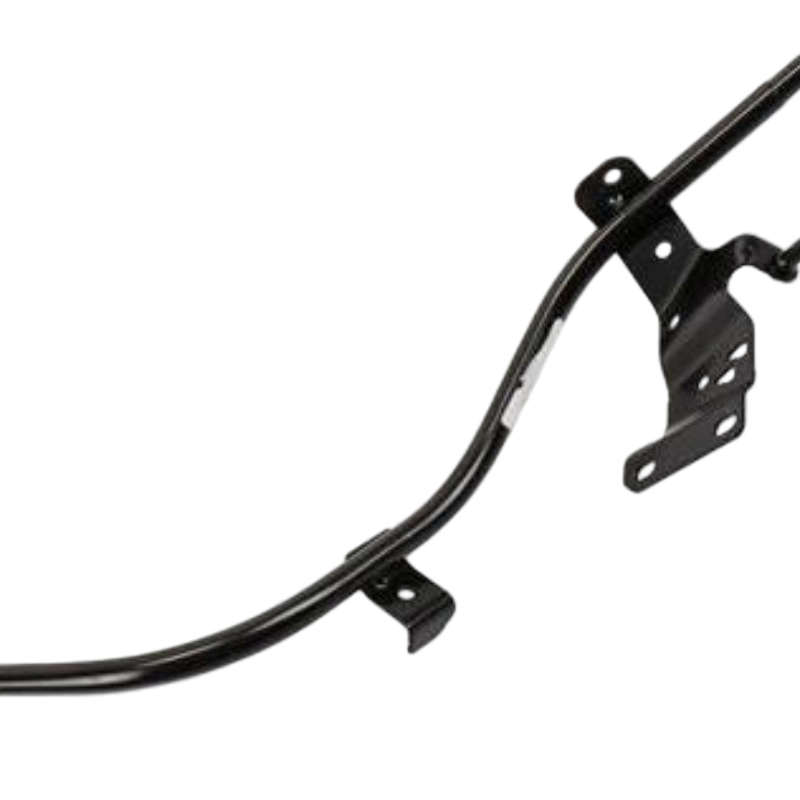
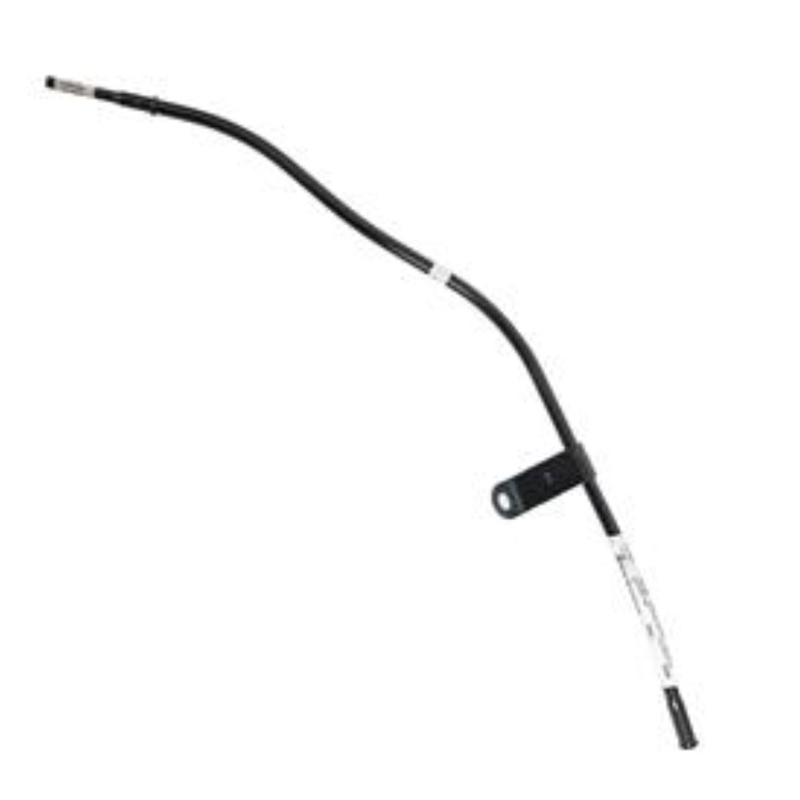
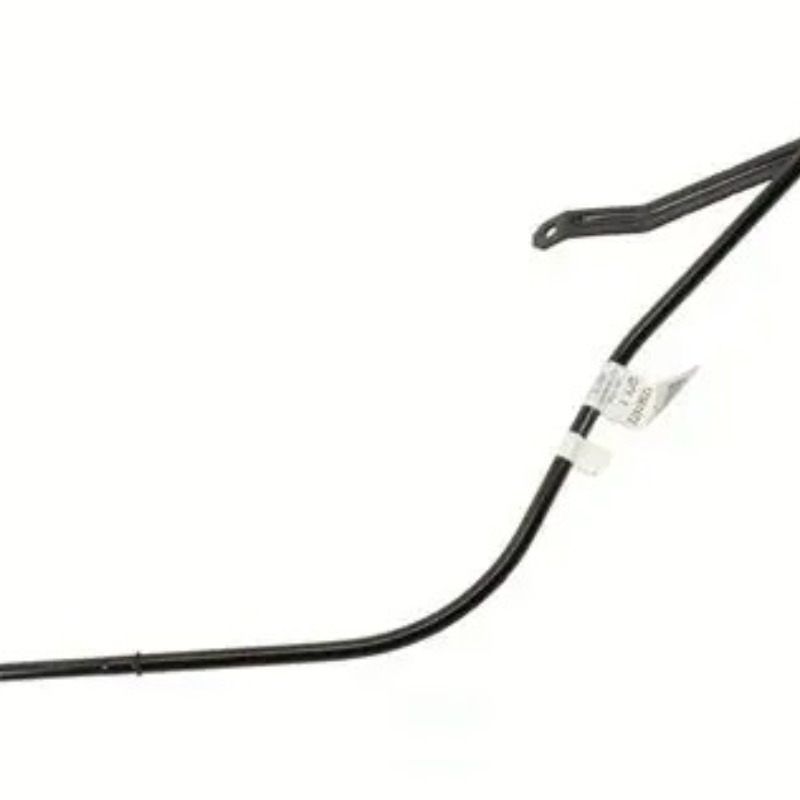
Automotive tube bending is the process of forming straight metal tube into the precise three-dimensional shapes that carry fluids, gases and exhaust through a vehicle. Typical bent parts include fuel lines, brake lines, air-conditioning pipes, exhaust sections, intercooler pipes and structural tubes. The goal is a part that fits the chassis envelope exactly while keeping a uniform wall and a round cross section through every bend.
Buyers are usually Tier 1 and Tier 2 automotive suppliers, aftermarket brands, commercial-vehicle builders and engineering procurement teams. When comparing offers they look at tube material and diameter, wall thickness, centerline radius, bend count, length tolerance, ovality and wall thinning at the bend, and how the supplier checks shape against a gauge or CMM.
Ningbo Jiatian runs 10 CNC fully automatic pipe bending machines, supported by more than 30 pipe forming machines, laser and arc welding, brazing and machining centers, so a bent tube can be cut, bent, end-formed, joined and tested under one roof. We build to your drawing or sample (OEM/ODM) and can supply prototype samples before production. Order quantity is agreed per part number, so send your drawing and annual volume for a clear MOQ.
Beyond the machines, the daily work is in details: choosing the right mandrel for a tight radius, checking the first piece against a gauge, and adjusting for springback when a new material lot arrives. We share these checks with customers during sample approval, so you know how each bend is controlled before you commit to production volume.
Product Overview
Automotive tube bending turns straight tube stock into the routed, multi-plane shapes a vehicle needs for fuel, brake, cooling, air-conditioning and exhaust circuits. A bending machine clamps the tube and wraps it around a die at a set radius, while a mandrel or wiper die supports the wall so the bend does not wrinkle or flatten. Servo control repeats each bend angle and plane rotation from part to part.
The product is rarely sold as a bare bend. Most orders also need cutting, end forming, beading or flaring and a dimensional check against a gauge, so the real scope is a finished line that installs without force on the vehicle assembly line.
Main points for buyers
- Bend radius versus tube diameter: tight radii need mandrel support and increase wall thinning
- Ovality and wall thinning limits at the outer bend, agreed before tooling is made
- Overall shape tolerance, checked on a gauge or CMM
- Material and temper, because springback differs between steel, stainless steel and aluminum
- Number of bends and plane changes, which drive cycle time and tooling cost
When comparing quotes, look beyond the piece price. Material grade and wall thickness set the raw cost, bend count and mandrel tooling set the machine time, and secondary operations such as end forming, coating and leak testing are added on top. Packaging, inspection reports and sea freight to your port also change the landed cost, so ask each supplier to quote on the same drawing and Incoterm.
Specification
| Parameter | Specification |
| Material | Carbon steel, stainless steel (304, 316L, 321), aluminum, copper |
| Outside Diameter | Approx. 10 to 80 mm |
| Wall Thickness | Approx. 0.8 to 3.0 mm, depending on diameter and bend radius |
| Centerline Radius | Typically 1.5D or larger; tighter radius reviewed per drawing |
| Bend Count | Single bend to multi-plane routed parts |
| Bending Method | CNC rotary draw bending with mandrel where required |
| Length Tolerance | Agreed on the drawing; typically checked on gauge |
| End Finishing | Cutting, deburring, flaring, beading, swaging |
| Inspection | Gauge check, CMM on request, visual and dimensional report |
| Samples and MOQ | Prototype samples available; MOQ agreed per part number |
Application
Application Scenarios
| Application Scenarios | Typical Parts | Key Requirement |
| Fuel and Brake Systems | Fuel feed lines, brake lines | Clean bore, consistent radius |
| Climate Control | A/C and heater pipes | Leak-tight joints, repeatable fit |
| Exhaust and Intake | Exhaust sections, intercooler pipes | Heat resistance, flow path |
| Chassis and Structure | Support tubes, rails | Strength, shape accuracy |
Target Customers
Suitable and Unsuitable Uses
Suitable Uses
- Routed lines with several bends and plane changes
- Repeat production from a drawing or master sample
- Tubes that need bending plus end forming
Unsuitable Uses
- Very tight radii on thin wall without mandrel review
- Parts with no drawing, sample or defined envelope
- One-off art or decorative bends
Selection Guidance
- Confirm tube material and wall thickness first, then the minimum bend radius.
- Send a 3D file or gauge drawing so tooling can be planned.
- Define ovality and thinning limits for critical bends.
- Ask for a sample run before releasing volume.
Usage Notes
- Check bend angle and plane rotation against the drawing on first articles
- Inspect outer bend wall for thinning and surface marks
- Verify end condition before assembly or welding
- Keep tubes capped and separated during transport to avoid dents
- Re-check shape on a gauge after any heat treatment or coating
Advantages
Ten CNC Bending Machines
With 10 CNC fully automatic bending machines in service, repeat orders keep the same bend program. This lowers rework risk and shortens delivery for repeat part numbers.
Bending Plus Forming in One Plant
More than 30 supporting forming machines handle end forming beside the bending line. You deal with one supplier, so there are fewer hand-offs and fewer transport delays.
Joining Capability On Site
Brazing furnaces, laser welders and welding robots allow bent tubes to be joined into assemblies. This reduces outsourcing risk and keeps quality records in one place.
In-House Laboratory
A comprehensive laboratory supports material and dimensional checks. Buyers get evidence for incoming approval instead of relying on promises.
Diameter Coverage 10 to 80 mm
The equipment range covers common automotive tube sizes in one factory. One supplier can quote a whole family of lines, which simplifies sourcing.
Experience Since 1995
The company grew from a metal products factory founded in 1995. Long process experience helps us spot bending risks at the quoting stage and protect your schedule.
Frequently Asked Questions
- Q: What information do you need to quote a bent tube?
- A: Please send a drawing or 3D file, material, wall thickness, quantity and any inspection requirement. A sample can also be used.
- Q: Can you bend stainless steel and aluminum as well as carbon steel?
- A: Yes. We bend carbon steel, stainless steel, aluminum and copper tube, and set springback compensation per material.
- Q: What is the smallest bend radius you can run?
- A: It depends on diameter, wall and material. Radii of 1.5D and above are common, and tighter radii are reviewed with mandrel tooling.
- Q: Do you offer samples before mass production?
- A: Yes. We make prototype samples for fit checks so that you can approve the shape before volume release.
- Q: How do you control bend accuracy?
- A: CNC servo bending repeats angle and rotation, and parts are checked on gauges. A CMM report is available on request.
- Q: Can you add end forming or welding to bent tubes?
- A: Yes. Flaring, beading, swaging, brazing and welding can be added so you receive a finished assembly.
- Q: What is your MOQ?
- A: MOQ is agreed per part number based on tooling and material. Send your drawing and annual volume and we will suggest a practical batch.
- Q: How are bent tubes packed for export?
- A: Tubes are separated to prevent dents, capped where needed and packed in cartons or pallets suited to sea or air freight.