English
 Español
CNC Tube Bending Manufacturer
-- Steady & Reliable Manufacturer --
Brief Product Description
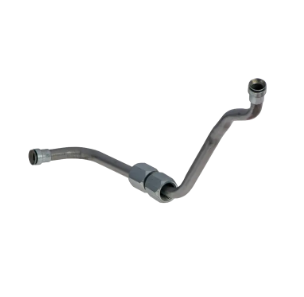
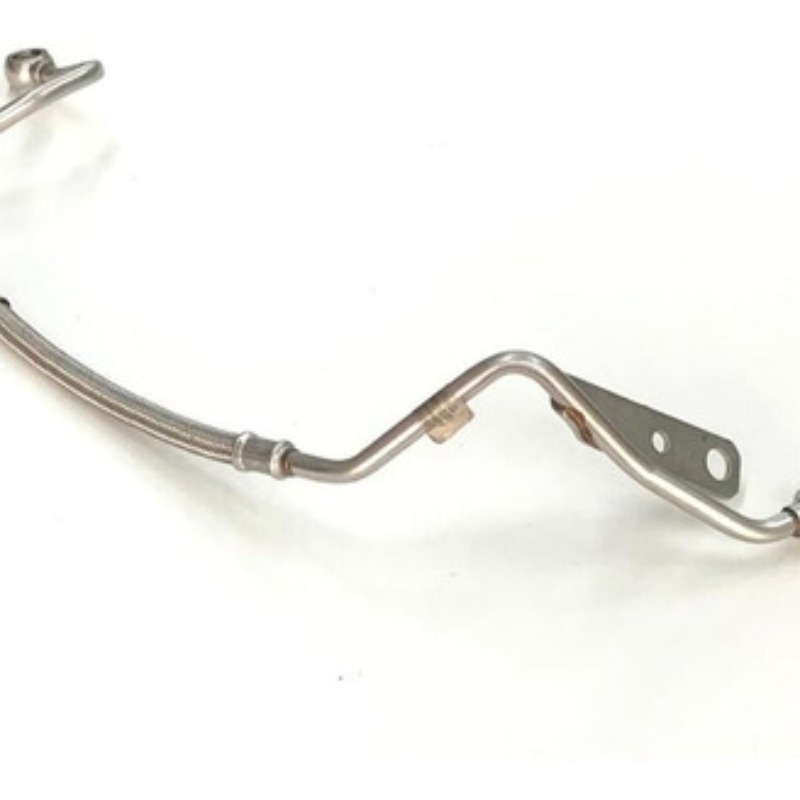
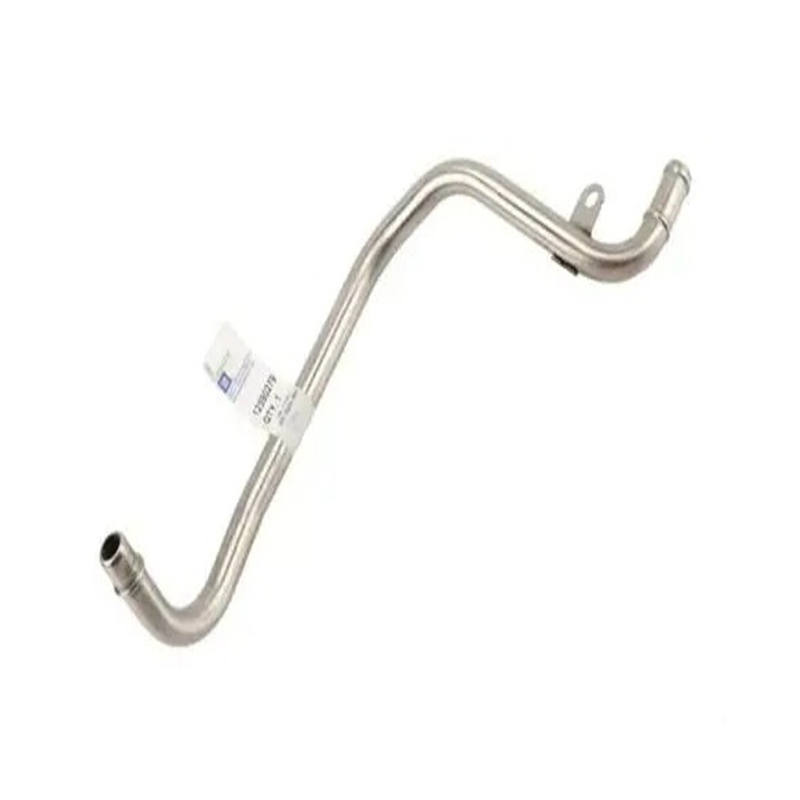
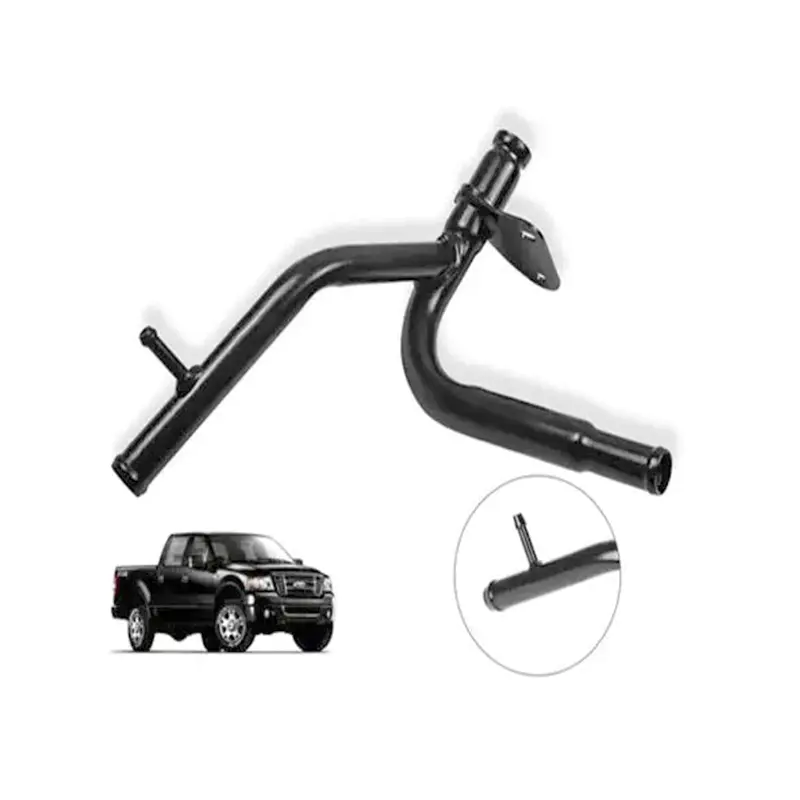
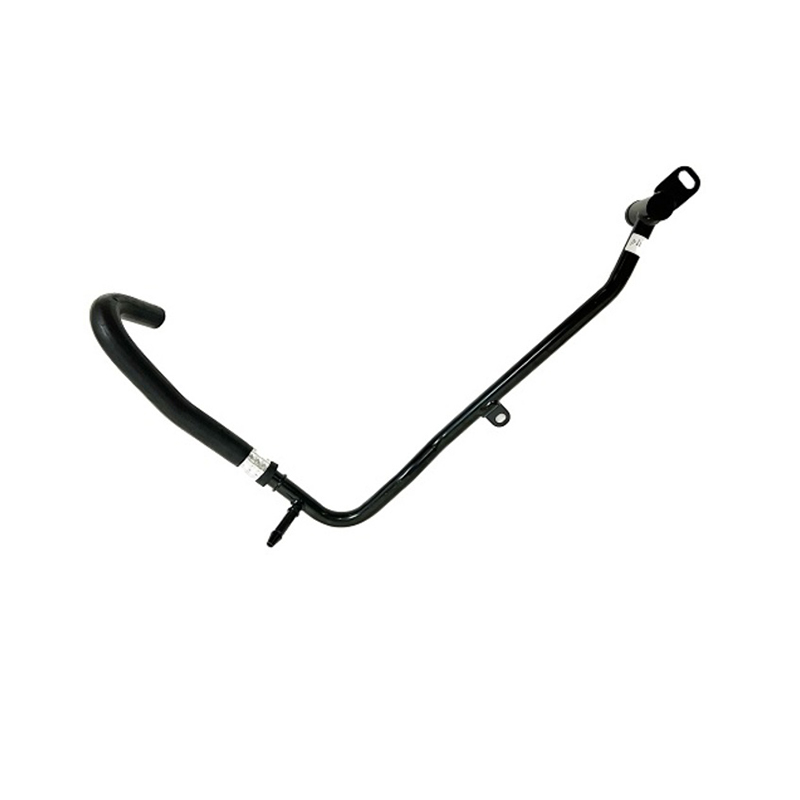
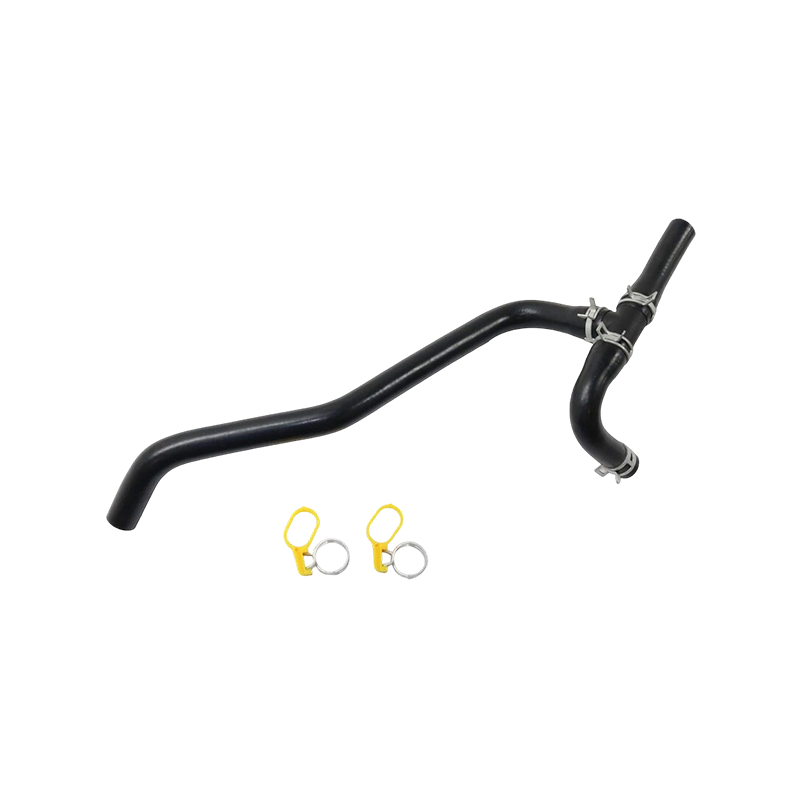
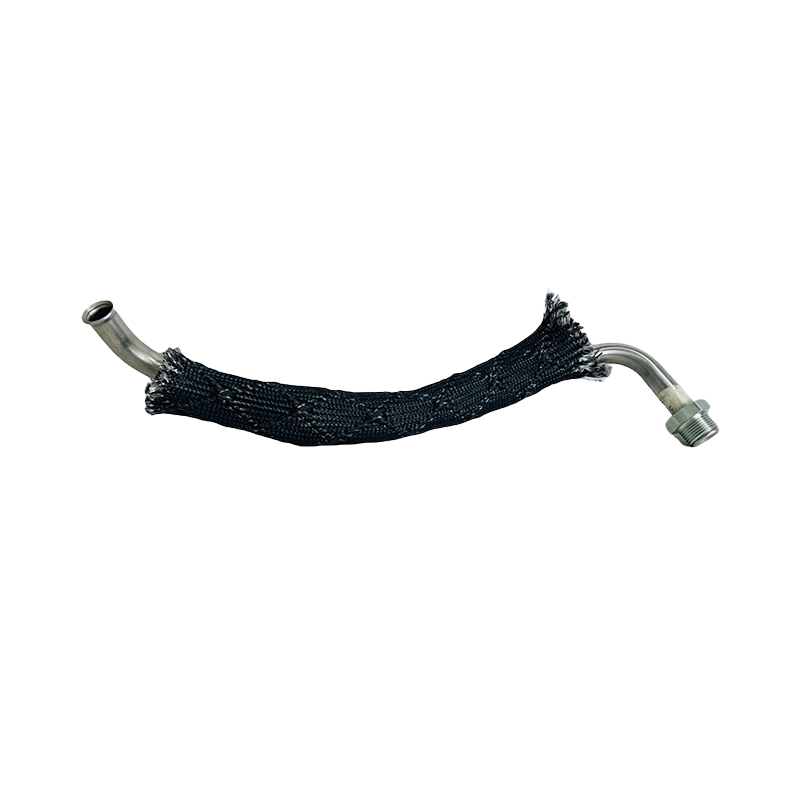
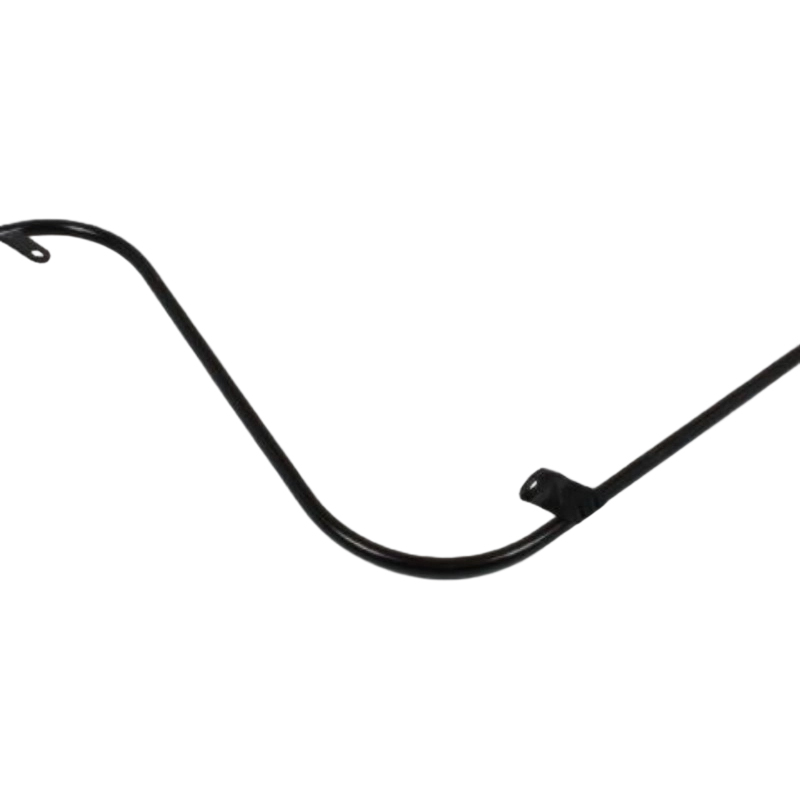
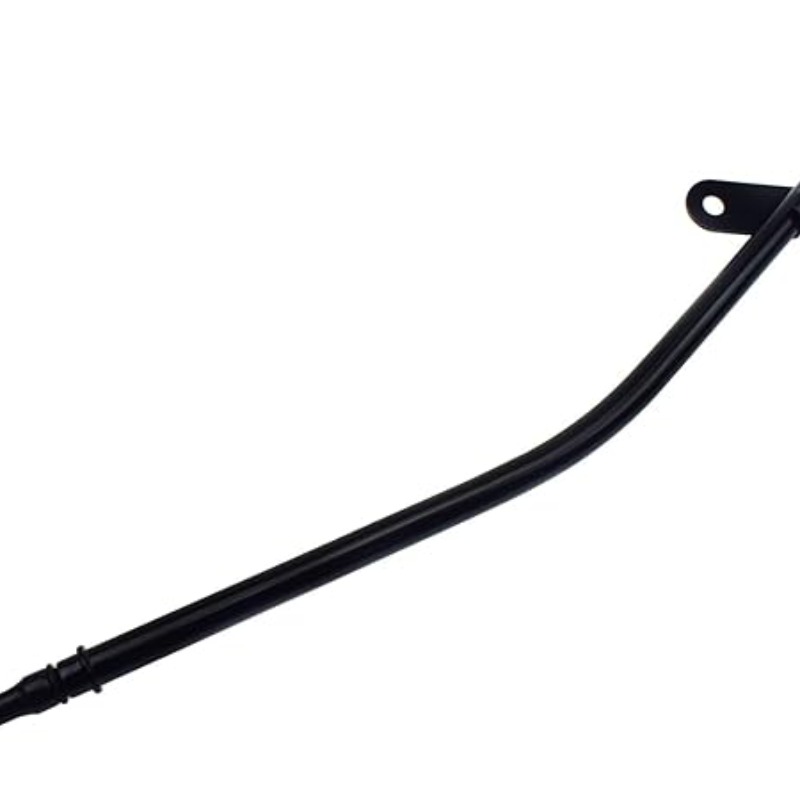
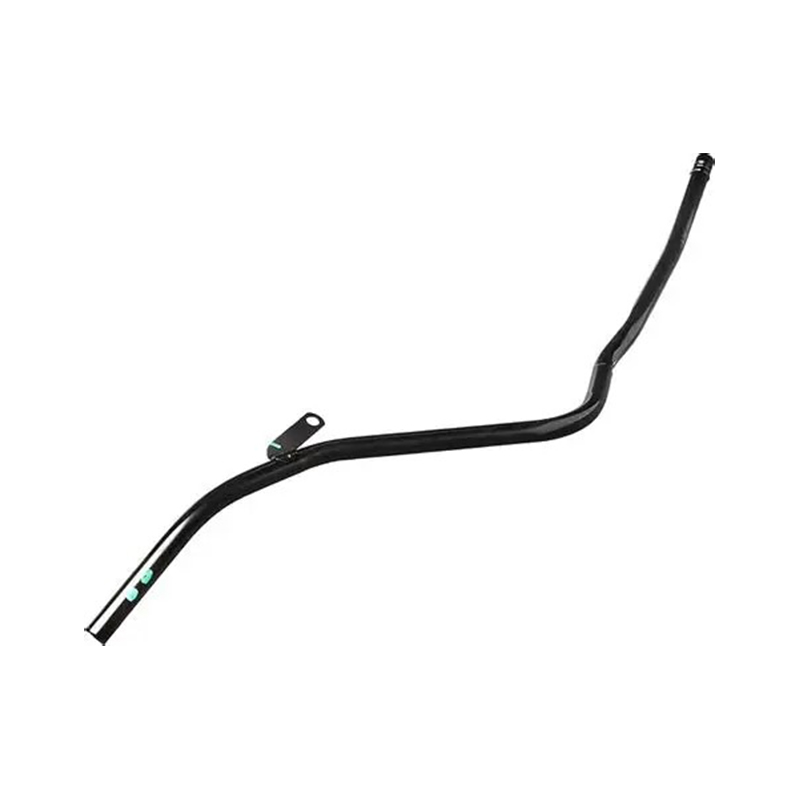
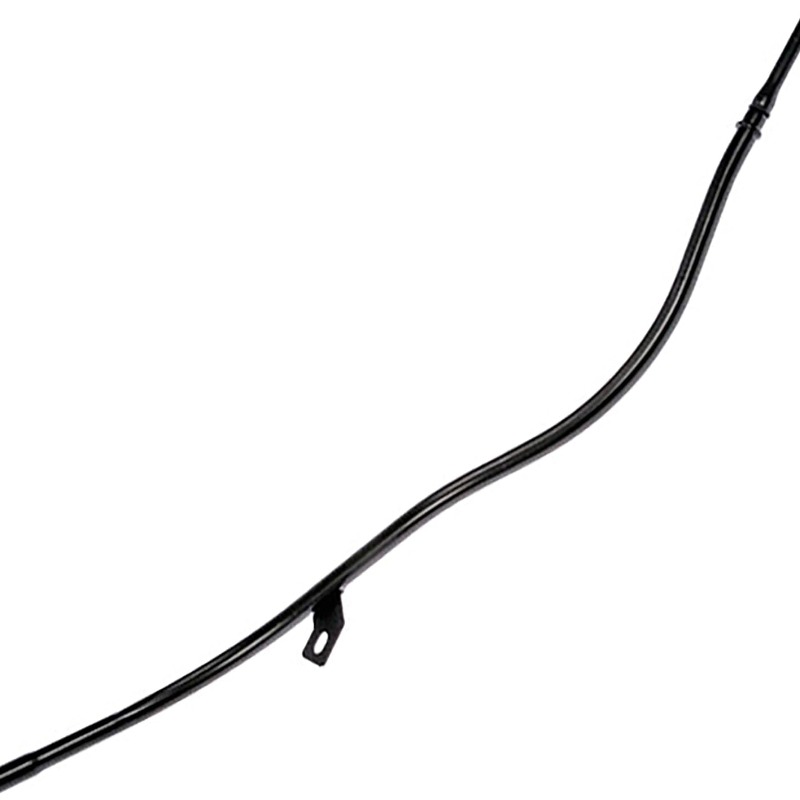
A CNC tube bending manufacturer is a factory that uses computer-controlled machines to bend tube to programmed angles, radii and plane rotations, then repeats the same result across thousands of parts. For automotive customers this means consistent routing of fuel, brake, cooling, intake and exhaust lines without relying on operator skill for each piece.
Procurement teams who search for this type of supplier are usually Tier 1 and Tier 2 component makers, trading companies and engineering buyers who want stable repeat orders. They evaluate machine count and type, programmable bend accuracy, tooling library, mandrel capability, diameter range, inspection method and delivery record, and often ask for a factory audit or video.
Ningbo Jiatian operates 10 CNC fully automatic pipe bending machines alongside 10 hydraulic internal forming machines, 8 machining centers and 4 welding robots on a 26,000 square meter factory site. We work to your drawing or sample under OEM/ODM terms and provide bending samples for approval. MOQ is set per part number, and small trial batches can be discussed before volume production.
For new customers, we usually begin with a trial bend of two or three samples, record the tooling and program settings, and invite you to check the result. Once the sample is approved, the same program is used for production. This simple routine keeps repeat orders consistent and makes later reorders quick to schedule.
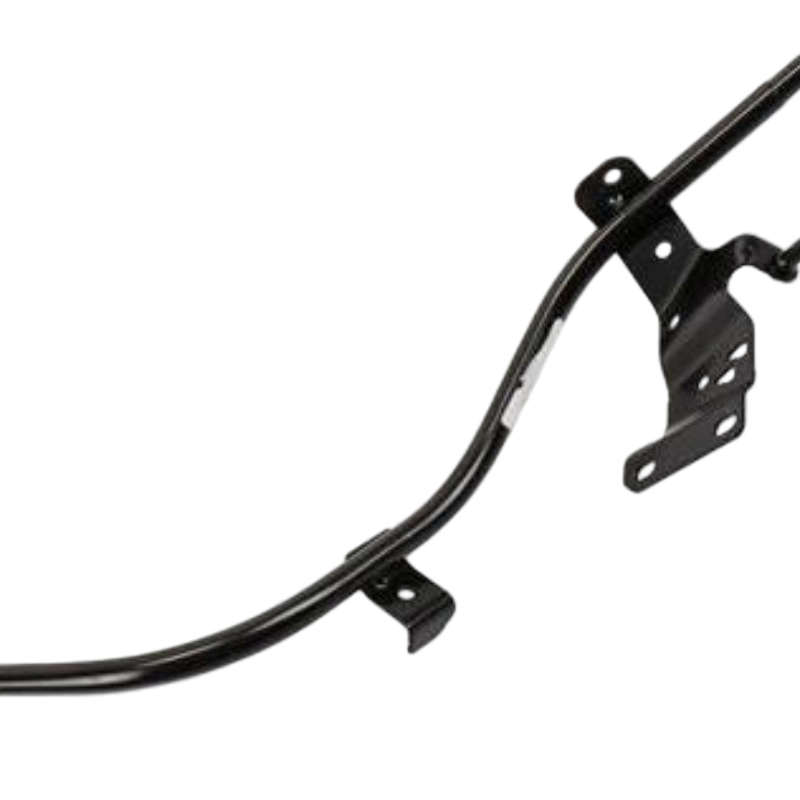
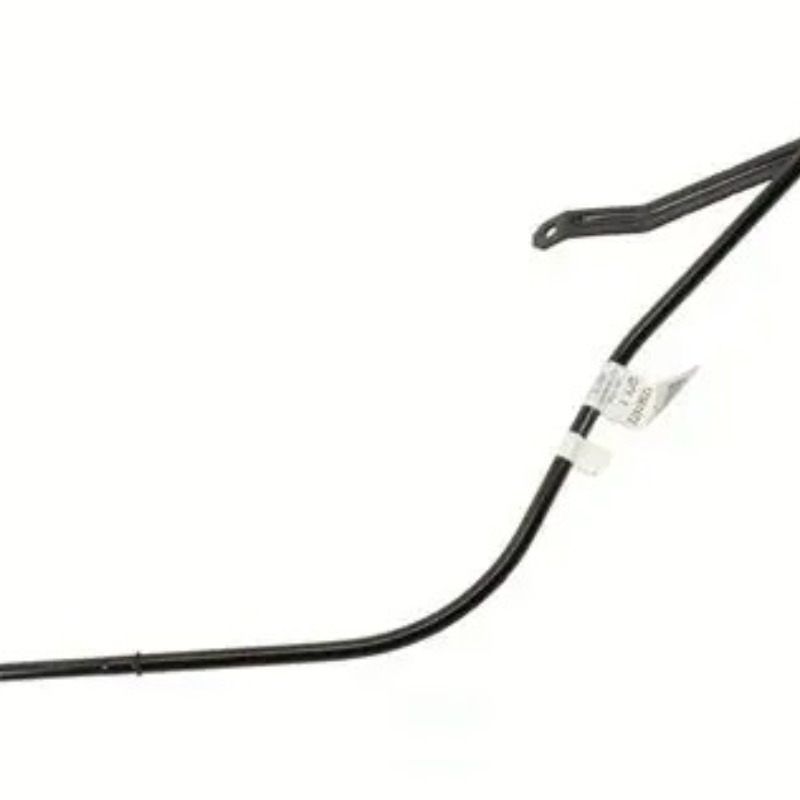
Product Overview
CNC tube bending uses servo or hydraulic axes to feed the tube, rotate it between bends and wrap it around a bending die. The machine stores each program, so a part number can be recalled and run again with the same settings. Mandrels, wiper dies and pressure dies are selected to protect the wall during tight bends.
A CNC manufacturer is judged less by a single machine than by the system around it: tooling storage, program control, first-article checks and the ability to adjust for springback when material lots change. These details decide whether the thousandth part looks like the first.
Main points for buyers
- Number of CNC machines and whether capacity is shared with other customers
- Tooling library and tooling cost for your diameter and radius
- Springback compensation and first-article correction process
- Maximum bend count and tube length the machines can accommodate
- How bend accuracy is verified, such as gauge or CMM comparison
CNC bending cost is mostly made up of material, machine time per part, tooling and set-up. Longer cycle time from multi-bend parts raises piece price, while larger batches spread set-up cost. Compare suppliers on the same bend count, material and tolerance, and include secondary operations, inspection and freight to see the true landed cost.
Specification
| Parameter | Specification |
| Machine Type | CNC fully automatic pipe bending machines |
| Number of Machines | 10 units |
| Tube Diameter | Approx. 10 to 80 mm |
| Tube Material | Carbon steel, stainless steel, aluminum, copper |
| Bend Radius | Typically 1.5D or larger; reviewed per case |
| Bend Count | Single to multiple bends with plane rotation |
| Tooling Options | Mandrel, wiper die, pressure die |
| Secondary Operations | End forming, welding, brazing, machining |
| Inspection | Gauge check, CMM on request |
| Samples and MOQ | Samples for approval; MOQ by part |
Application
Application Scenarios
| Application Scenarios | Typical Parts | Key Requirement |
| Passenger Vehicles | Brake, fuel and A/C lines | Repeat accuracy, clean routing |
| Commercial Vehicles | Air, coolant and exhaust tubes | Durable wall, long runs |
| Aftermarket Parts | Replacement lines | Match to original shape |
| Machinery | Hydraulic and air piping | Pressure integrity |
Target Customers
Suitable and Unsuitable Uses
Suitable Uses
- Repeated orders with fixed drawings
- Multi-bend lines with strict routing
- Programs requiring bend plus end forming
Unsuitable Uses
- Hand-formed artistic shapes
- Tubes outside the machine diameter range
- Projects with no tooling budget and no volume
Selection Guidance
- Provide diameter, wall and radius so tooling can be matched.
- Check if mandrel tooling is needed for tight bends.
- Agree the first-article check method.
- Plan batch size to balance set-up and stock.
Usage Notes
- Verify the program revision before each run
- Check first piece on the gauge
- Watch for wrinkling on the inner bend
- Inspect outer wall thinning on tight radii
- Record tooling used for each part number
Advantages
Ten CNC Machines on One Site
Having 10 automatic bending machines lets us run several part numbers in parallel. Buyers benefit from shorter queue time and better delivery reliability.
Stored Programs for Repeat Orders
Each part is saved as a program with tooling notes. Repeat orders reproduce the same bend, cutting the risk of variation between batches.
Wide Diameter Coverage
The machines and tooling cover approximately 10 to 80 mm tube. One supplier can quote many line sizes within the same project.
Forming and Welding Next to Bending
Hydroforming, welding robots and machining centers sit in the same plant. Complete assemblies leave the factory without outside processing.
Laboratory Backup
A comprehensive laboratory supports material and dimensional verification. Quality questions are answered with data, protecting your acceptance process.
Factory Origin Since 1995
The business grew from a metal products factory established in 1995. Long experience helps us predict bending problems and avoid delays.
Frequently Asked Questions
- Q: How many CNC bending machines do you have?
- A: We operate 10 CNC fully automatic pipe bending machines, supported by over 30 pipe forming machines.
- Q: What tube diameters can you bend?
- A: Our range covers approx. 10 to 80 mm outside diameter, and special cases can be reviewed.
- Q: Can you bend with a mandrel?
- A: Yes. Mandrel and wiper die tooling is used where tight radii or thin walls require wall support.
- Q: How do you compensate for springback?
- A: We adjust programmed angles during first-article trials according to material and lot, then store the result.
- Q: Do you keep programs for repeat orders?
- A: Yes. Programs and tooling records are stored by part number to keep repeat orders consistent.
- Q: Can you supply samples before a trial order?
- A: Yes. Samples can be produced for shape and fit approval before you commit to volume.
- Q: What bend accuracy should I expect?
- A: Accuracy depends on tube size and radius. We confirm achievable tolerance after drawing review.
- Q: What is the MOQ for CNC bent tubes?
- A: MOQ depends on the part and tooling. Send the drawing and annual quantity for a practical recommendation.