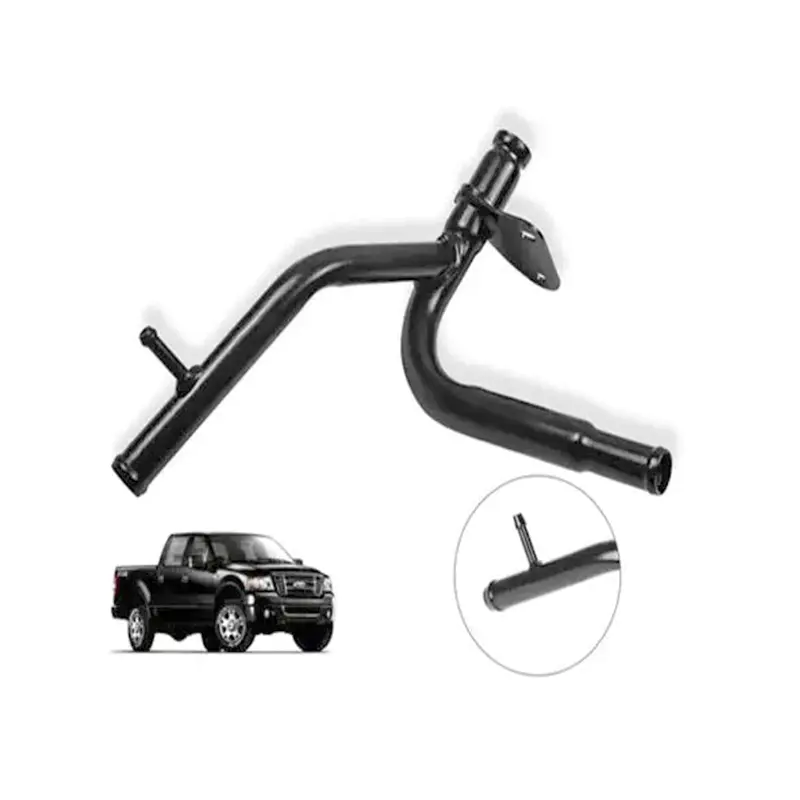
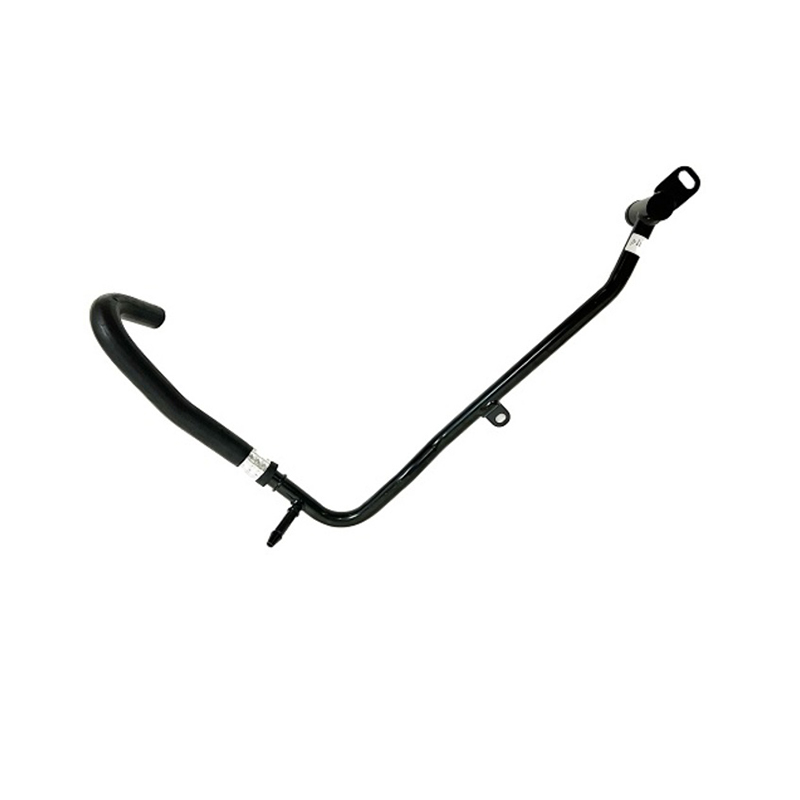
Custom Automotive Tubing

-- Steady & Reliable Manufacturer --

Brief Product Description

  • Starting Point2D drawing, 3D data, physical sample or functional brief
  • Material ChoiceCarbon steel, stainless steel, aluminum or copper alloy
  • Size RangeTypical OD Φ10 to Φ80 mm, hydroformed parts up to 1.5 m
  • Development StepsFeasibility review, fixtures, samples, approval, trial run
  • CustomizationOEM and ODM, private labeling and packing
  • MOQ and SamplesSamples first, MOQ typically from 200 pieces

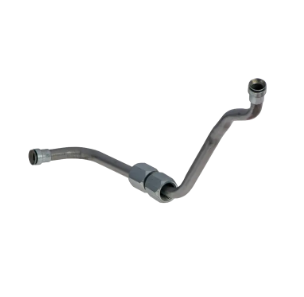
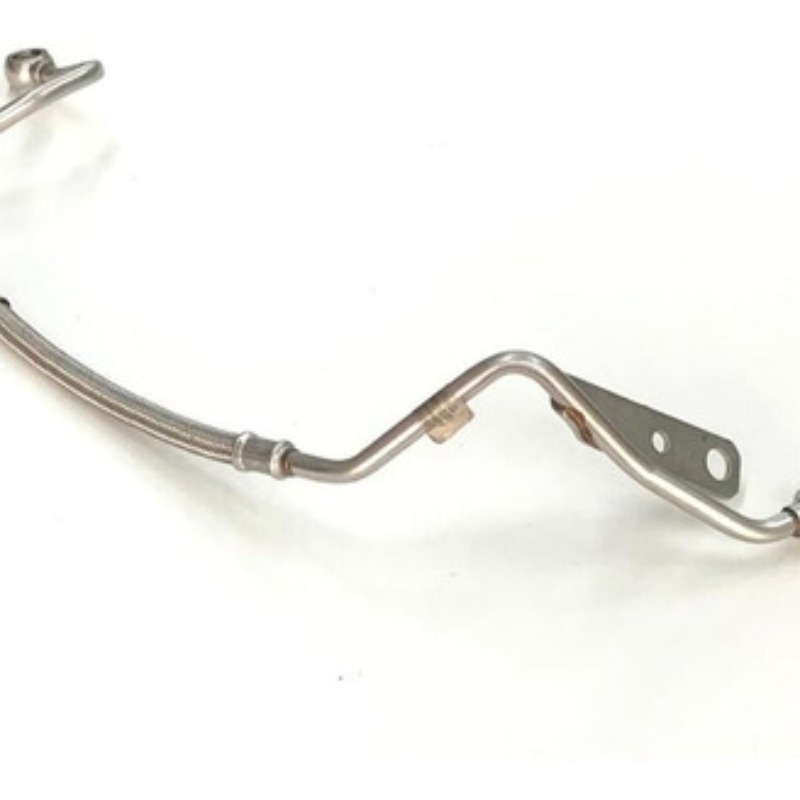
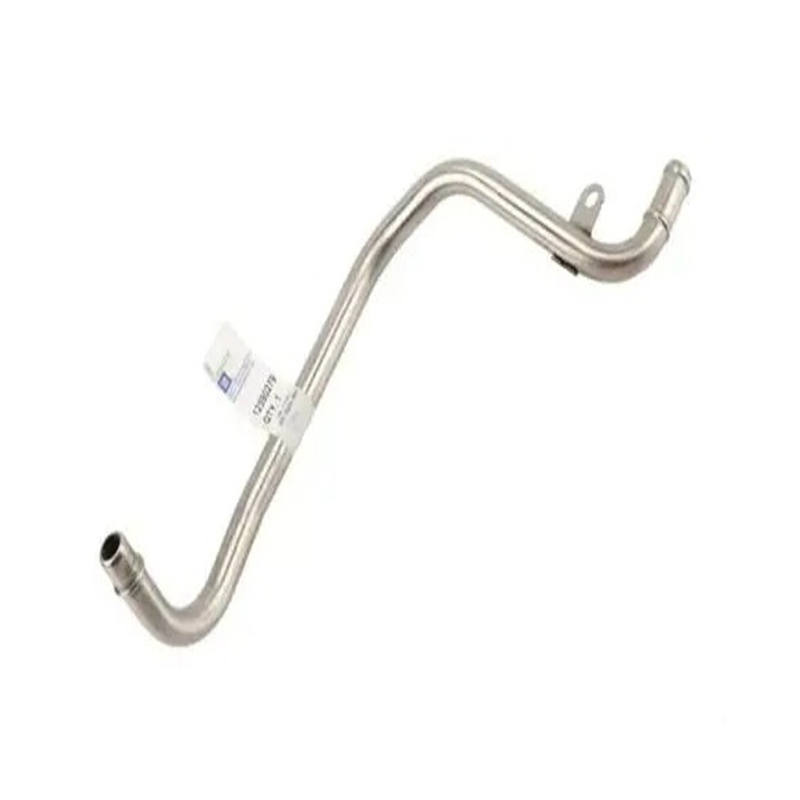
Custom automotive tubing means tubes designed or adapted for a specific vehicle, engine or component, instead of standard stock pipe. The route, diameter, wall thickness, end forms and joints are defined by your drawing, so the finished part fits your application. Typical examples include special fuel lines, oil feed lines, coolant tubes, turbo pipes and shaped exhaust sections. Because the part is designed around your application, the quality of the drawing and the early engineering discussion matter as much as the machines.

Custom tubing is bought by component suppliers developing new platforms, aftermarket brands copying discontinued parts, equipment makers who need a small run of special lines, and trading companies serving these customers. Their purchasing checklist covers material, tolerances, joint type, test requirements, tooling cost, sample time and minimum order quantity, because these decide whether a project is practical. Many of these buyers also ask for a signed confidentiality agreement before sharing drawings, and we are happy to provide one.

Our plant brings together 10 CNC fully automatic bending machines, 10 hydraulic internal forming machines, two brazing furnace lines, four laser welders, four welding robots and 8 machining centers, together with our own R&D and processing center. That range means we can build a custom part through bending, shaping, joining and machining without sending work outside. Fixtures and checking gauges are prepared in house, which keeps sample time short and lets us adjust details quickly after your feedback.

For every new project we start with a feasibility review of the drawing or sample and give our comments on radius, wall, tolerance and joint choice. After approval we prepare fixtures, make samples and adjust the process before a trial run. The MOQ for custom parts typically starts from a few hundred pieces, and smaller trial lots can be discussed for new programs.

Product Overview

Custom automotive tubing is a made-to-order product. Instead of choosing from a catalog, the buyer provides a drawing, a sample or a performance requirement, and the factory develops the process to produce it. The process usually combines cutting, bending, end forming, joining and surface treatment, and each step is set up around the specific part.

A normal development path is: request for quotation, engineering review, fixture and tooling preparation, sample making, customer approval, and a trial run before regular production. When a drawing does not exist, the sample is measured and a drawing is rebuilt so both sides can agree on the same target. Any change after approval, such as a different radius or end form, is handled through a drawing revision to keep records clear.

5 stepsFrom review to trial run
Φ10 to Φ80 mmTypical tube OD
3D dataDrawing or sample accepted
OEM and ODMProject models supported

Main points for buyers

  • Drawing quality: a clear drawing with critical dimensions, material and test notes shortens the quotation time.
  • Tooling ownership: agree in advance who owns fixtures and forming tools and where they are stored.
  • Sample approval: define what you will check at sample stage, such as fit, dimensions and leak test.
  • Change control: use revision letters on every drawing so production always follows the latest version.
  • Confidentiality: if your design is sensitive, request an NDA before sharing files.

What affects landed cost. For custom parts the biggest drivers are tooling and fixtures, material grade, tube length, number of bends and end forms, joining method, test requirements and surface treatment. Annual volume spreads tooling cost over more pieces, so quantity matters. Packaging, labeling, and the freight and duty terms you select (EXW, FOB or CIF) also change the landed cost, so ask for a clear breakdown.

Specification

ParameterTypical Specification
Project TypeOEM and ODM custom tubes and tube assemblies
Input Accepted2D PDF or DWG, 3D STEP or IGES, physical sample, functional brief
MaterialsCarbon steel, stainless steel, aluminum, copper alloy
Outer DiameterTypical Φ10 to Φ80 mm, other sizes on request
Wall ThicknessTypical 0.8 to 3.0 mm depending on material and process
Forming ProcessesCNC bending, hydraulic internal forming, end forming, machining
Joining MethodsFurnace brazing, laser welding, robot welding, arc welding
Surface TreatmentPlating, phosphating, passivation, painting on request
Development SupportFeasibility review, fixture design, sample report, revision control
TestingDimensional, leak and pressure checks as required by drawing
Sample Lead TimeTypically 10 to 25 days depending on tooling needs
MOQ and PackagingMOQ typically from 200 pieces, customer-specific packing and labeling

Values shown are typical ranges. Final specifications are confirmed against your drawing or sample before sampling.

Application

Application Scenarios

ApplicationTypical PartsBuyer Focus
New vehicle platformsPrototype and pilot-run tubesFast sampling and drawing support
Special-purpose vehiclesLow-volume fluid lines and exhaust partsFlexible quantity and custom routes
Aftermarket and restorationReplacement tubes for discontinued partsFit to the original sample
Engine and equipment makersOil, coolant and air tubes for new designsCleanliness and dimensional control

Target Customers

Product Development Teams

Need quick feasibility feedback and prototype samples before volume orders.

Aftermarket Brands

Need tubes rebuilt from samples with private packing and small initial lots.

Equipment Manufacturers

Need dependable low-to-medium volume supply with clear revision control.

Suitable and Unsuitable Uses

Suitable Uses

  • New or modified tube designs that need engineering input
  • Replacement parts rebuilt from a physical sample
  • Pilot lots and medium-volume production runs

Unsuitable Uses

  • Standard stock pipe that needs no forming or drawing
  • Projects with no defined function, material or quantity
  • Single pieces with no later production plan

Selection Guidance

  • 1Start with function. Describe the medium, pressure, temperature and mounting space.
  • 2Provide the best input you have. A sample plus a rough drawing is better than a sketch alone.
  • 3Ask about tooling. Confirm which fixtures are needed and how their cost is handled.
  • 4Plan the approval route. Agree sample quantity, inspection items and sign-off before production starts.

Usage Notes

  • Confirm that the drawing revision matches the approved sample.
  • Record any change request with a new revision letter.
  • Test samples in the real assembly before releasing volume orders.
  • Keep approved samples as a reference for later batches.
  • Share forecast volume so we can plan fixture life and material.

Advantages

  • 01

    Engineering review before quotation

    Our R&D center reviews radius, wall, tolerance and joint choice before pricing. Early comments help you avoid redesign after tooling is already made.

  • 02

    Sample-to-drawing capability

    When no drawing exists, we measure the sample and rebuild the drawing for approval. This helps aftermarket buyers copy a part accurately and avoid fit problems.

  • 03

    Wide equipment range

    Ten bending machines, ten internal forming machines, brazing lines, laser and robot welding, and machining centers sit in one plant. You do not need to coordinate several suppliers, which shortens the development schedule.

  • 04

    Flexible quantity for new projects

    Custom parts typically start from a few hundred pieces, and trial lots can be discussed. This lowers your inventory risk while a new product is still being validated.

  • 05

    Revision control

    Each project is tracked against a drawing revision and an approved sample. Clear records reduce mistakes when you place repeat orders months later.

  • 06

    Laboratory verification

    Our laboratory supports material and performance checks during sampling. Issues are found before volume production, which protects your launch date.

Frequently Asked Questions

  • Q: Can you make custom tubing from a sample only?
  • A: Yes. We measure the sample, build a 3D model and prepare a drawing for your confirmation before making samples. This is common for aftermarket and replacement parts.
  • Q: What is the typical development process?
  • A: The usual steps are request for quotation, engineering review, fixture preparation, sample making, your approval and a trial run. We share a schedule when we quote.
  • Q: How much does tooling cost?
  • A: It depends on the part. Simple bent tubes may only need basic fixtures, while formed or shaped parts may need dedicated tooling. Tooling is quoted as a separate line so you can compare it with unit price.
  • Q: What is your MOQ for custom parts?
  • A: The MOQ typically starts from about 200 pieces for custom tubing, depending on complexity and tooling. Smaller trial lots for new programs can be discussed.
  • Q: How long does it take to get samples?
  • A: Samples usually take 10 to 25 days after drawing confirmation. Parts needing new forming tools can take longer, and we confirm the time in the quotation.
  • Q: Do you sign an NDA?
  • A: Yes, we can sign a confidentiality agreement before you share drawings or product details. Please send the request before the files.
  • Q: Can you handle design changes after sample approval?
  • A: Yes. Changes are managed through a new drawing revision, and we confirm any effect on tooling, price and lead time before production follows the new version.
  • Q: Can you add your own labeling and packing?
  • A: Yes. We can apply customer labels and pack parts in racks, trays or cartons to your specification. Please send the label or packing requirement with the order.

Contact us to learn more

Share your drawing, sample or idea, and our engineers will outline a development plan and quotation.

Contact Us

+86-138 0586 3066

+86-574 8840 6311

View ProductsSend an Inquiry

About Us
Professional Manufacturer Of Automotive Pipe Fittings
As a

China automotive pipe fittings manufacturer and automotive tubing factory

, The company was established on the basis of the development of Ningbo Xingxin Metal Products Factory (established in 1995), and is a high-tech enterprise specializing in the production of automotive pipe fittings. The company's area is 32,000 square meters; the factory area is 26,000 square meters.
More About Us
  • 0

    Establishment

  • 0

    Factory Area

  • 0+

    Technical Staff

  • 0

    Product Line

Advantage
Beyond Your Expectation, Within the Budget.
  • Quality Quality
    We have our own laboratories and the most advanced testing equipment in the industry to ensure product quality.
  • Cost Cost
    We have two our own casting foundries and one CNC machining factory.So we can offer the best price and best products directly.
  • Customization Customization
    We have a strong R&D team,and we can develop and produce products according to the drawings or samples the customers offered.
  • Service Service
    We focus on developing high-quality products for the high-end market, and our products meet international standards.
  • Diversity Diversity
    We have a variety of manufacturing processes such as pipe strip forming, welding, stainless steel corrugation forming, pipe bending, etc., which can meet the development and production of products of different shapes, sizes and materials.
  • Capacity Capacity
    Our annual output exceeds 2,600 tons, which can meet the needs of customers with different purchasing volumes.
  • Transportation Transportation
    We are only 35 kilometers away from Beilun Port, exporting is very convenient.
News
Learn About Our Latest News From Blog
Explore Our News