English
 Español
Custom Metal Tube Fabrication
-- Steady & Reliable Manufacturer --
Brief Product Description
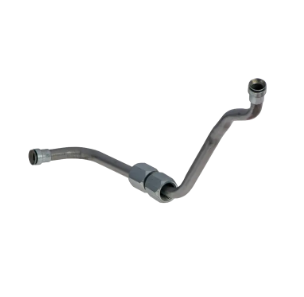
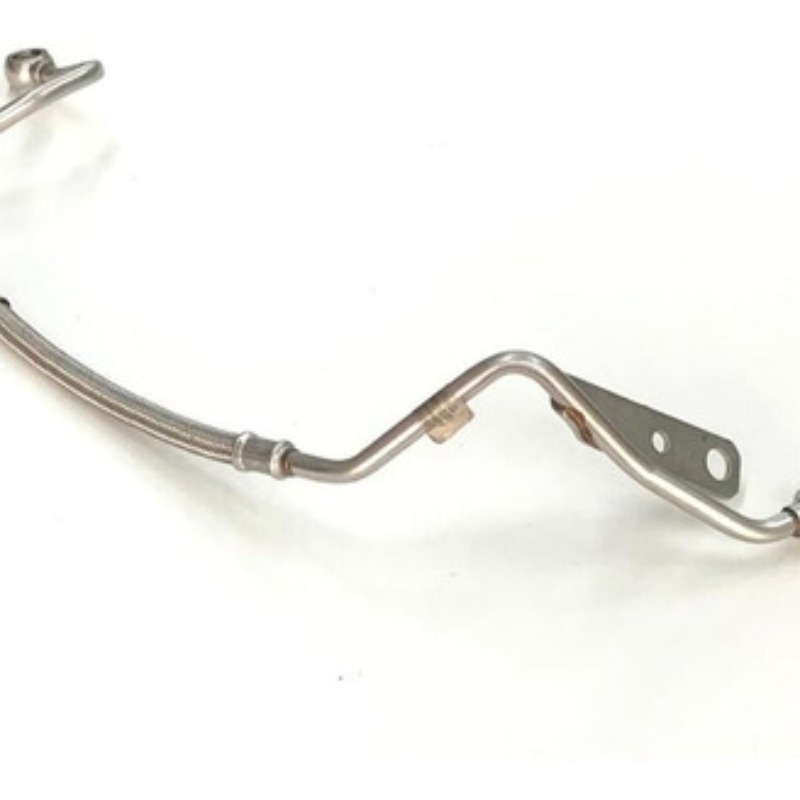
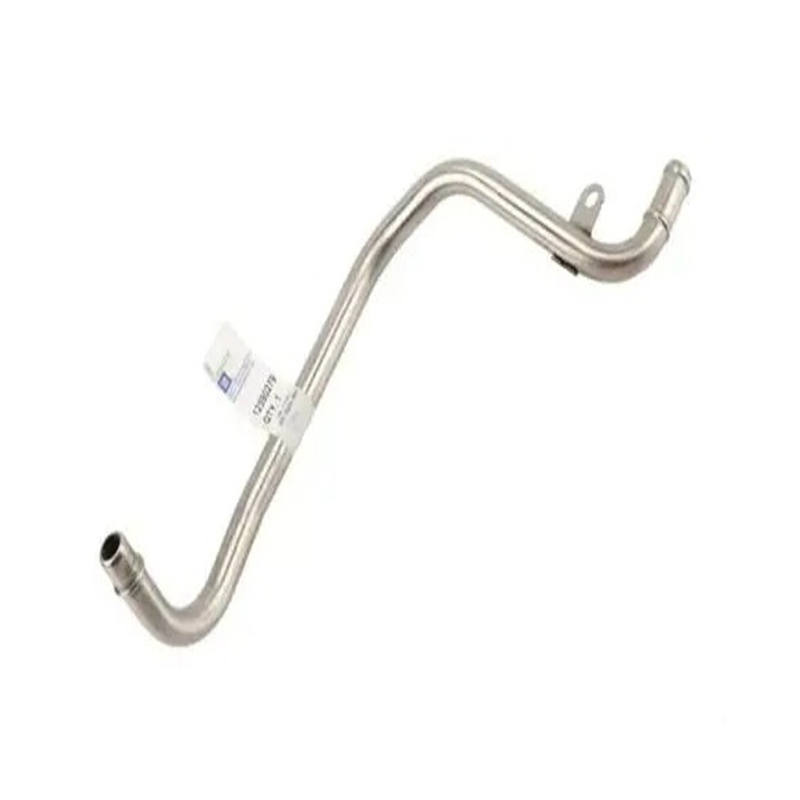
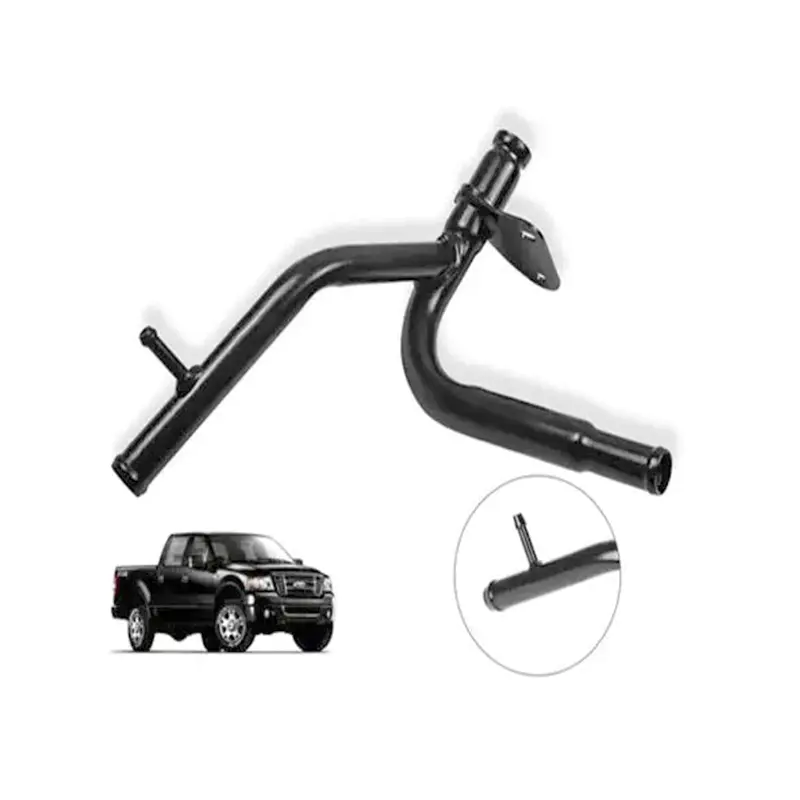
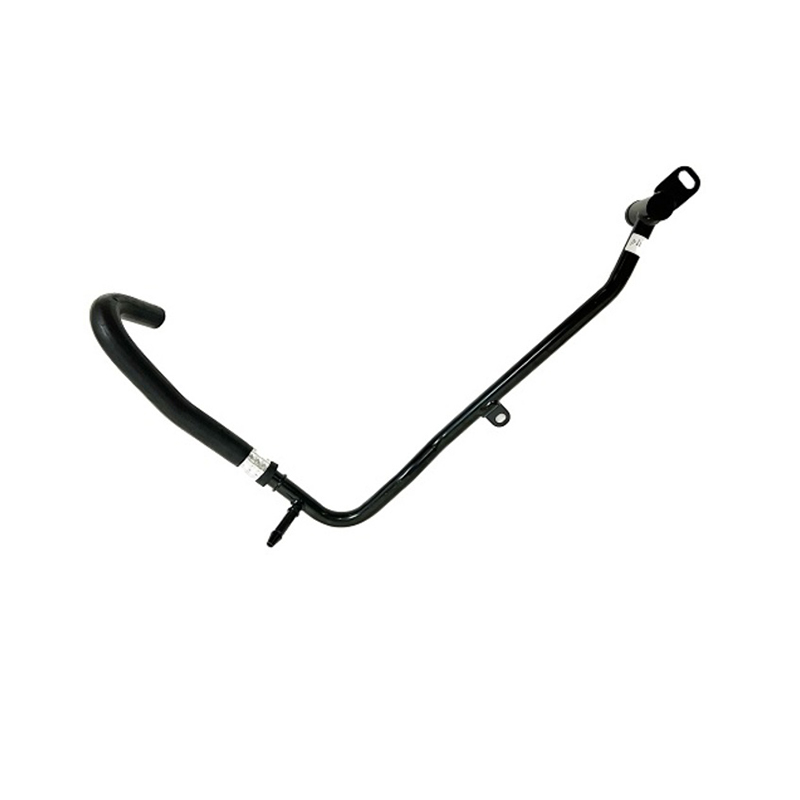
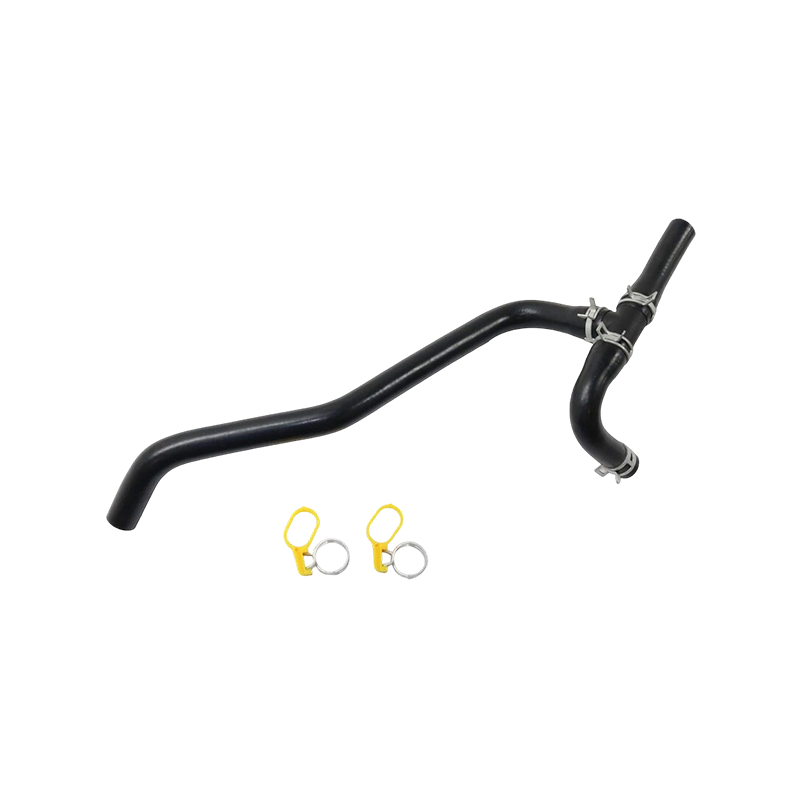
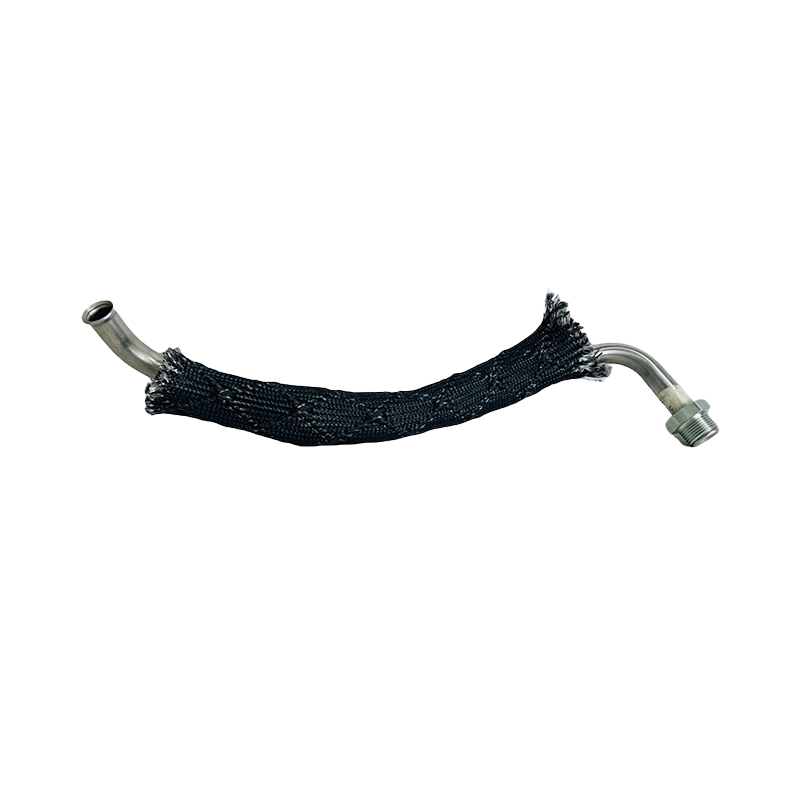
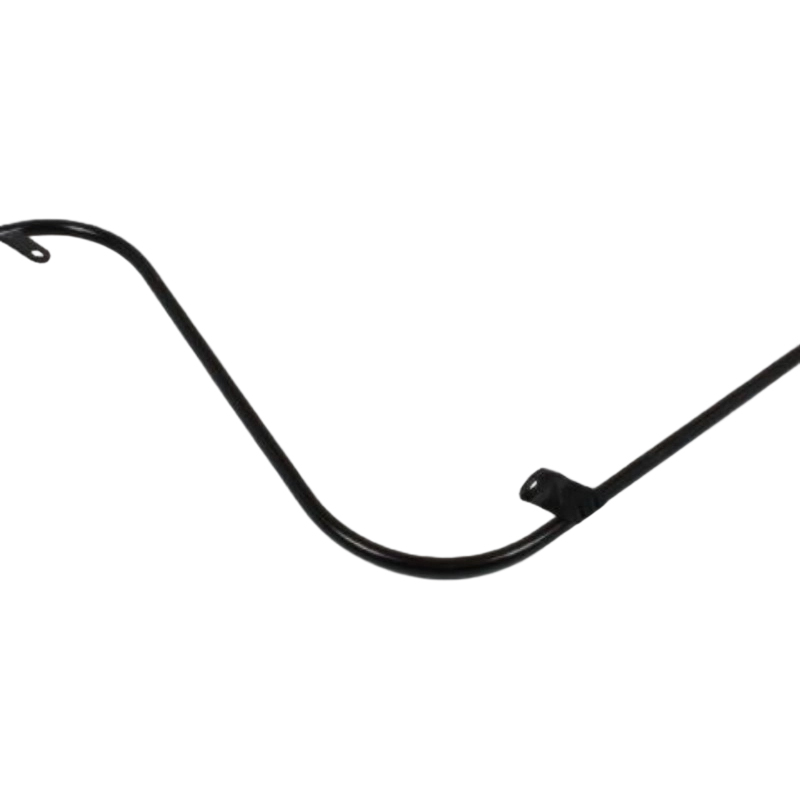
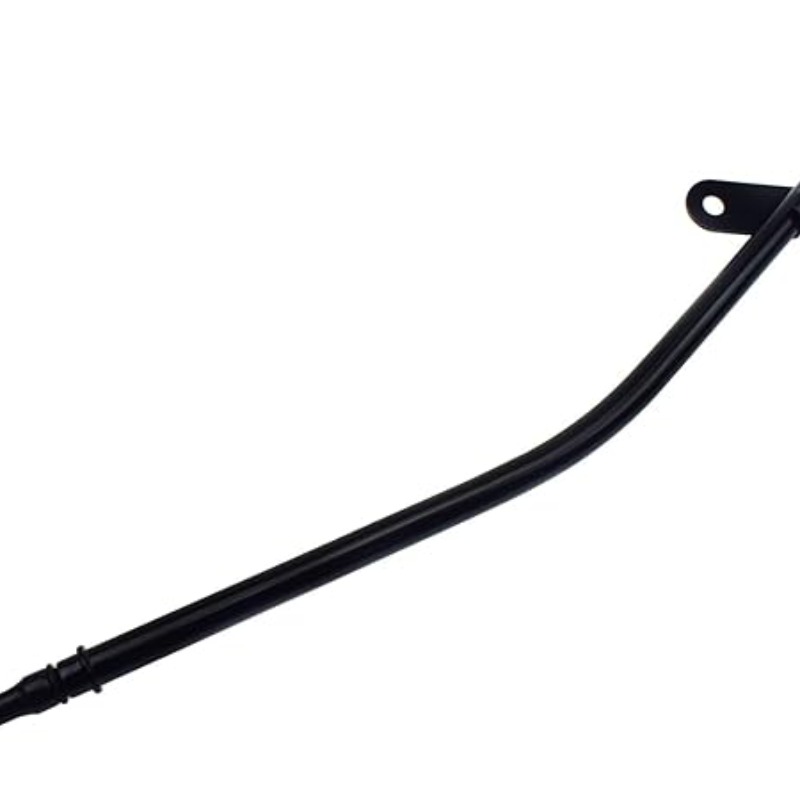
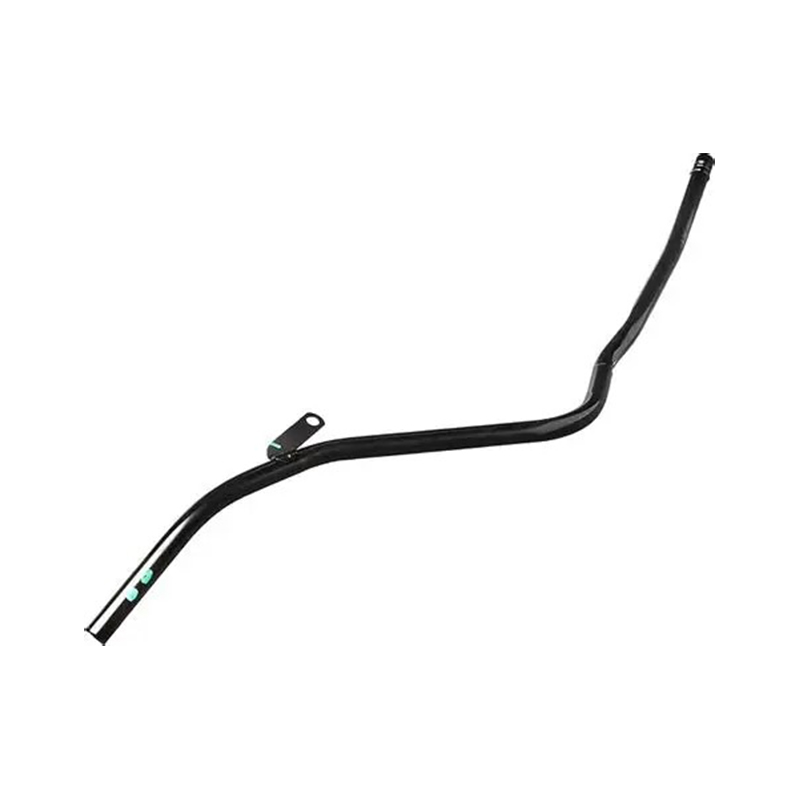
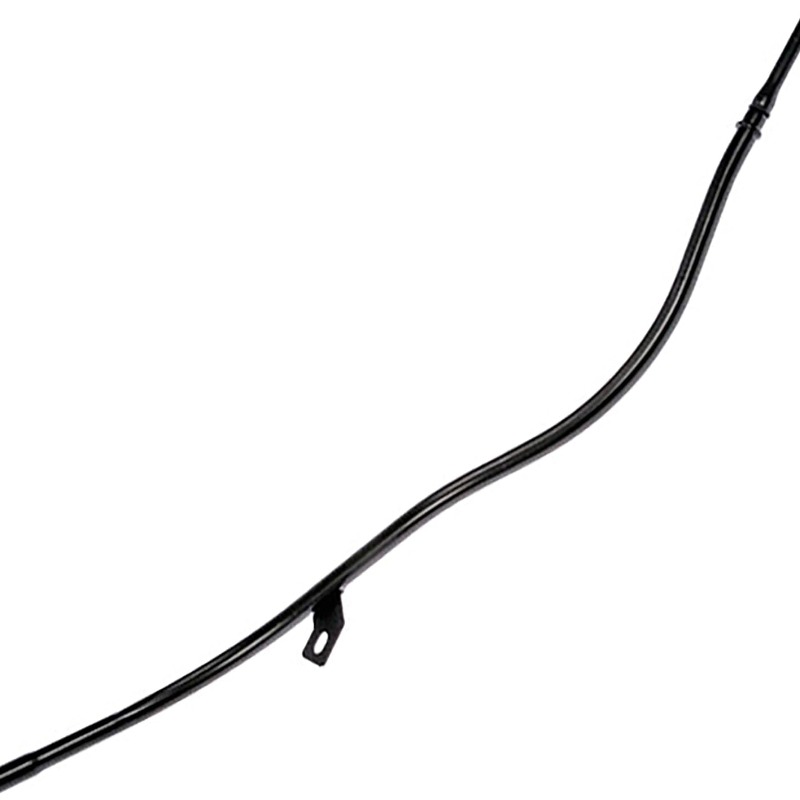
Custom metal tube fabrication means producing tube parts to a customer's own drawing, sample or performance specification rather than from a standard catalog. It starts with material selection and a process plan, then moves through cutting, bending, forming, joining and finishing until the part matches the required shape and function.
Buyers include vehicle engineering teams, equipment builders, aftermarket developers and purchasing agents who need a shape that no standard pipe fitting can provide. Their key questions are which materials can be used, how complex the geometry can be, whether the supplier can propose improvements, how samples are handled, and what quantity is required to start.
Ningbo Jiatian is a factory with its own R&D and processing center, so custom projects are reviewed by engineers who also run the machines. With 10 CNC bending machines, 10 hydraulic forming machines and 30 more forming machines, we can handle one-off prototypes as well as repeat production under OEM/ODM terms. Sample orders are welcome, and MOQ is discussed according to the complexity of the part.
A typical project starts with a short technical discussion about function, load and installation space. We then propose a process route, build fixtures and gauges, and send samples for your review. Changes at sample stage are normal, and we keep records of every adjustment so the approved version can be repeated reliably in production.
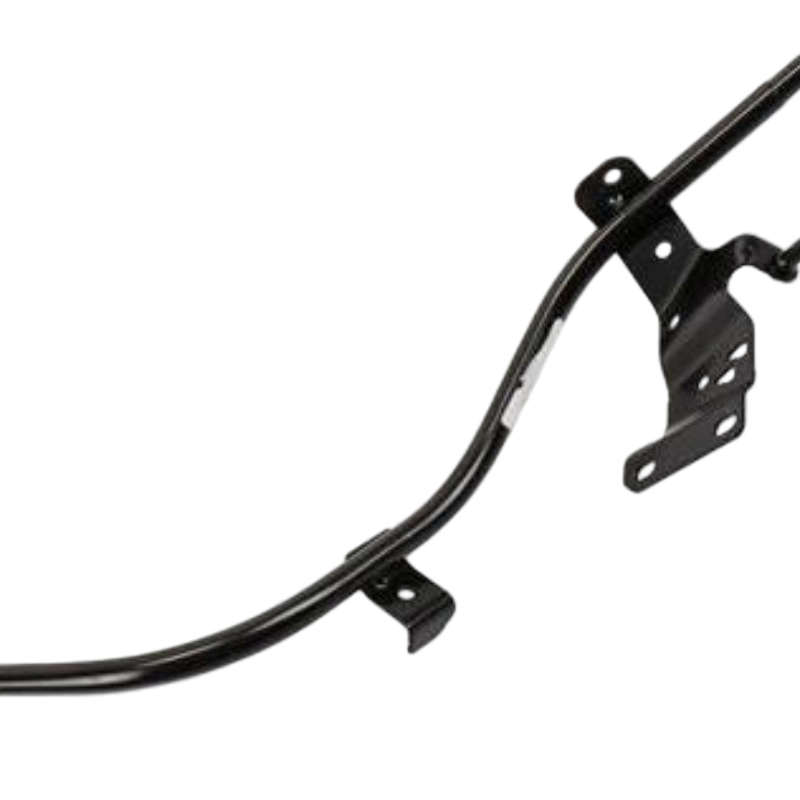
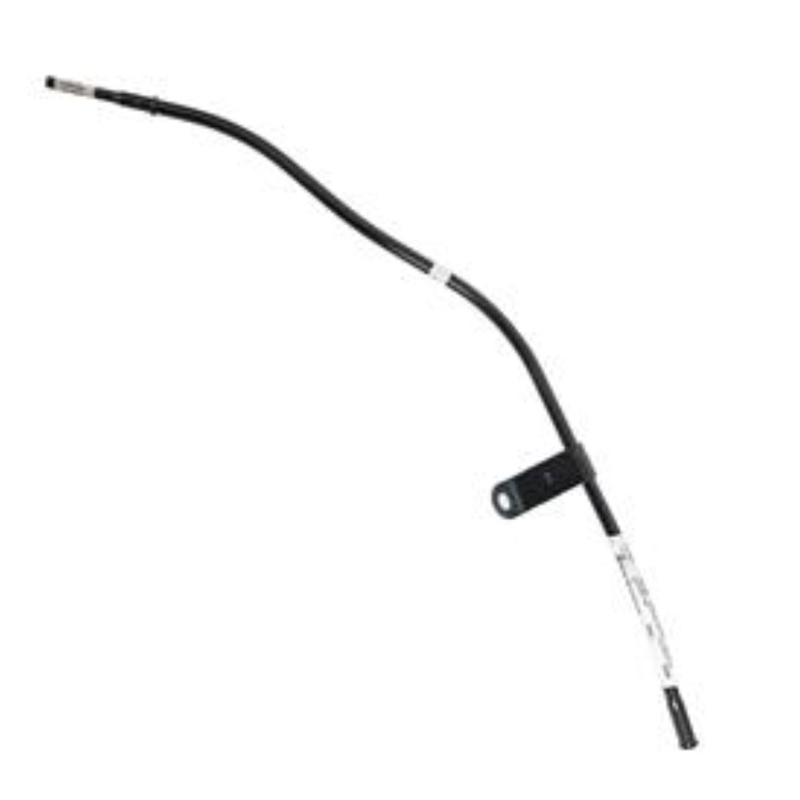
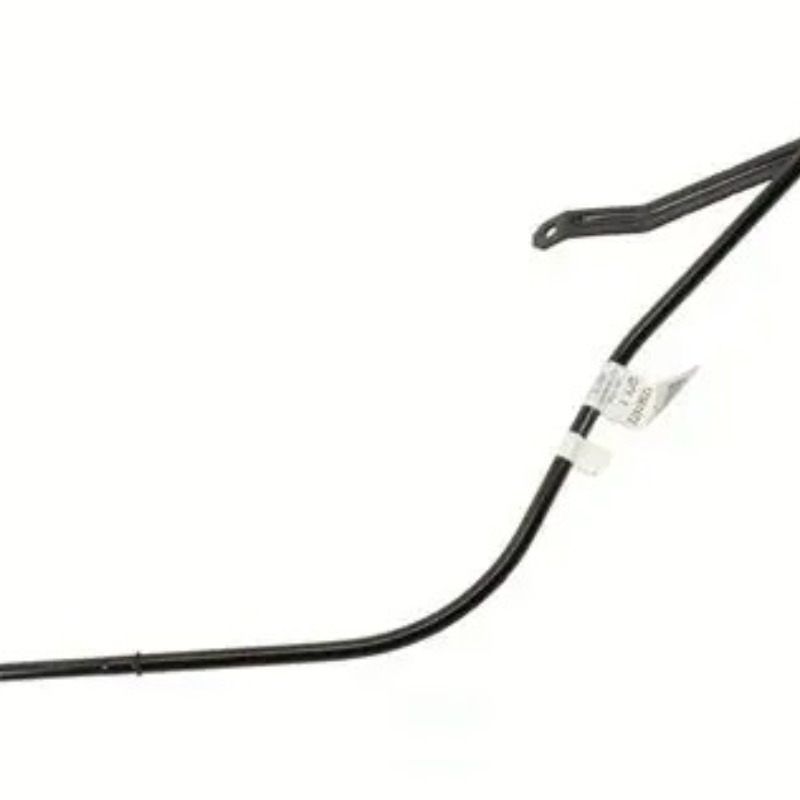
Product Overview
Custom metal tube fabrication is the production of non-standard tube parts built around the buyer's geometry. Instead of choosing from fixed fittings, the customer defines the route, diameter, wall thickness, end shape and joining details, and the factory builds tooling and fixtures to match.
The value of the service lies in the engineering conversation as much as the machining. A supplier who can comment on bend radius, wall thinning, weld access or assembly sequence before cutting metal can often lower cost and prevent trial and error.
Main points for buyers
- Design review: can the geometry be formed without wrinkling, cracking or excessive thinning
- Material choice based on strength, corrosion, weight and cost
- Tooling and fixture cost, and how it is spread over volume
- Sample approval steps and what changes are allowed afterwards
- Repeatability from the first sample to full production
Custom parts include one-time costs such as tooling, fixtures and programming, plus running costs for material and machine time. Ask each supplier to separate these items so you can compare real piece price at your volume. Design changes after sample approval can add cost, so freeze the drawing as early as practical.
Specification
| Parameter | Specification |
| Input Formats | PDF drawing, 3D file, physical sample |
| Material Options | Carbon steel, stainless steel, aluminum, copper |
| Outside Diameter | Approx. 10 to 80 mm |
| Wall Thickness | Per design; reviewed for formability |
| Shape Complexity | Multi-bend, multi-plane, hydroformed shapes |
| Forming Processes | CNC bending, hydroforming, water expansion |
| Joining Options | Laser welding, robot welding, arc welding, brazing |
| Tooling | Fixtures and gauges built per part |
| Quality Support | Laboratory checks and dimensional inspection |
| Samples and MOQ | Prototype samples; MOQ based on part complexity |
Application
Application Scenarios
| Application Scenarios | Typical Parts | Key Requirement |
| New Vehicle Programs | Prototype and pre-series tubes | Fast sample, engineering feedback |
| Equipment Manufacturing | Special tube assemblies | Non-standard geometry |
| Aftermarket Development | Replacement and upgrade tubes | Fit to existing vehicles |
| Retrofit and Repair | Obsolete part replacements | Reverse engineering from sample |
Target Customers
Suitable and Unsuitable Uses
Suitable Uses
- Shapes not available as standard fittings
- Prototype and low-volume development
- Reverse engineering from a sample part
Unsuitable Uses
- Standard straight pipe with no processing
- Projects with no defined function or fit
- Last-minute drawing changes during production
Selection Guidance
- Provide function, load and environment together with the drawing.
- Decide whether cost or performance is the priority.
- Ask for a design review before ordering tooling.
- Approve a sample and freeze the drawing.
Usage Notes
- Share the complete drawing and revision level
- Confirm the critical dimensions and tolerances
- Check sample fit on the real vehicle or fixture
- Record any approved changes in writing
- Plan packaging for fragile shapes early
Advantages
Engineering Before Metal Cutting
Our R&D and processing center reviews drawings for formability before tooling starts. Early feedback reduces trial runs and protects your project schedule.
Prototype to Production Continuity
The same machines used for samples are used for mass production. Buyers see fewer surprises when moving from approval to volume.
Hydroforming for Complex Shapes
Ten internal forming machines produce shapes up to 1.5 m long and 10 to 80 mm in diameter. Complex parts can often replace several welded pieces, saving cost and leak points.
Sample Matching
Physical samples can be measured and reproduced where drawings are missing. This helps buyers source obsolete or legacy parts with less risk.
Flexible Joining Methods
Laser welding, robot welding, arc welding and brazing are all available. We select the method that gives the best strength for your material and budget.
Direct Factory Communication
As a manufacturer, we deal directly with your engineers. Clear communication shortens revisions and speeds up approval.
Frequently Asked Questions
- Q: Can you make a part from a sample only?
- A: Yes. We can measure a physical sample, create a drawing and build a matching part for your approval.
- Q: What is the largest tube diameter you can handle?
- A: Our forming range covers approx. 10 to 80 mm in diameter, and larger sizes can be reviewed on request.
- Q: Who owns the tooling?
- A: Tooling ownership and storage terms are agreed in the quotation before production starts.
- Q: Do you protect customer drawings?
- A: Yes. Drawings are used only for your project, and we can sign a confidentiality agreement if required.
- Q: How long does a prototype take?
- A: Time depends on complexity and tooling. We will give a schedule after reviewing your drawing.
- Q: Can you suggest design improvements?
- A: Yes. Our engineers may recommend changes to radius, wall or joint design to improve manufacturability and cost.
- Q: Can I change the design after sample approval?
- A: Small changes are possible but may need new tooling or fixtures. We advise freezing the drawing before volume release.
- Q: What is the MOQ for custom parts?
- A: MOQ depends on tooling and part complexity. Share your drawing and target volume and we will suggest a practical start quantity.