English
 Español
Precision Metal Tube Fabrication
-- Steady & Reliable Manufacturer --
Brief Product Description
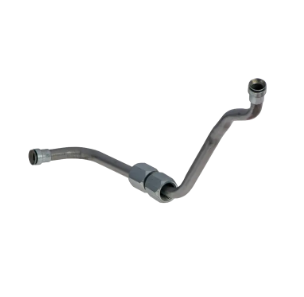
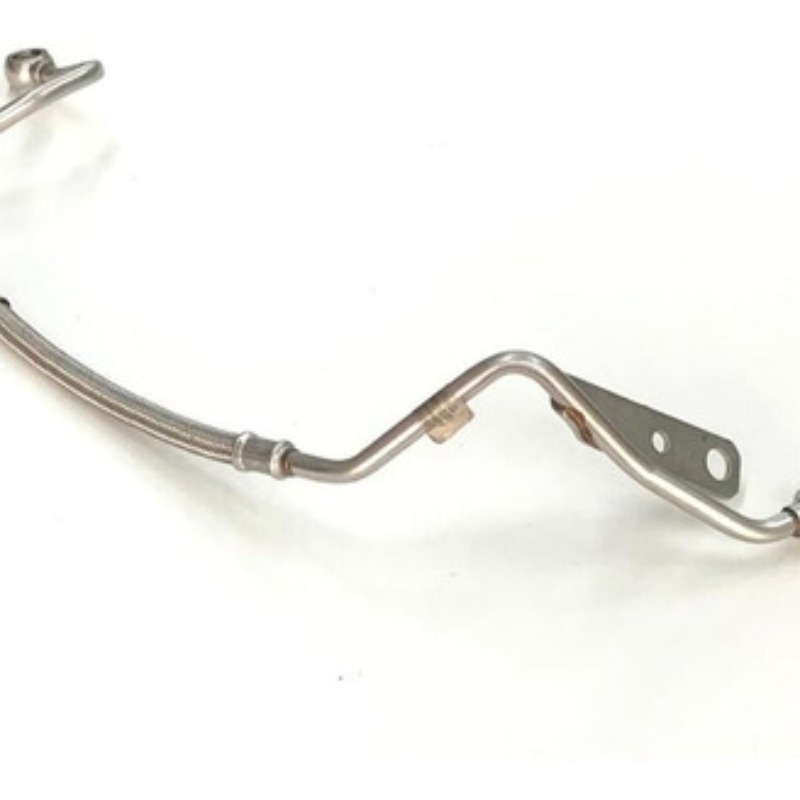
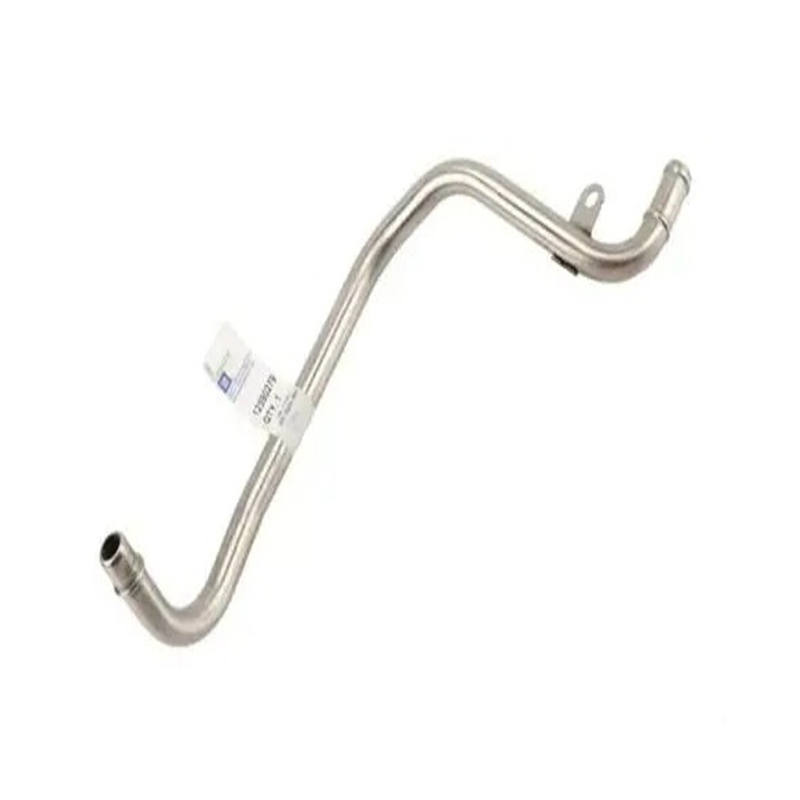
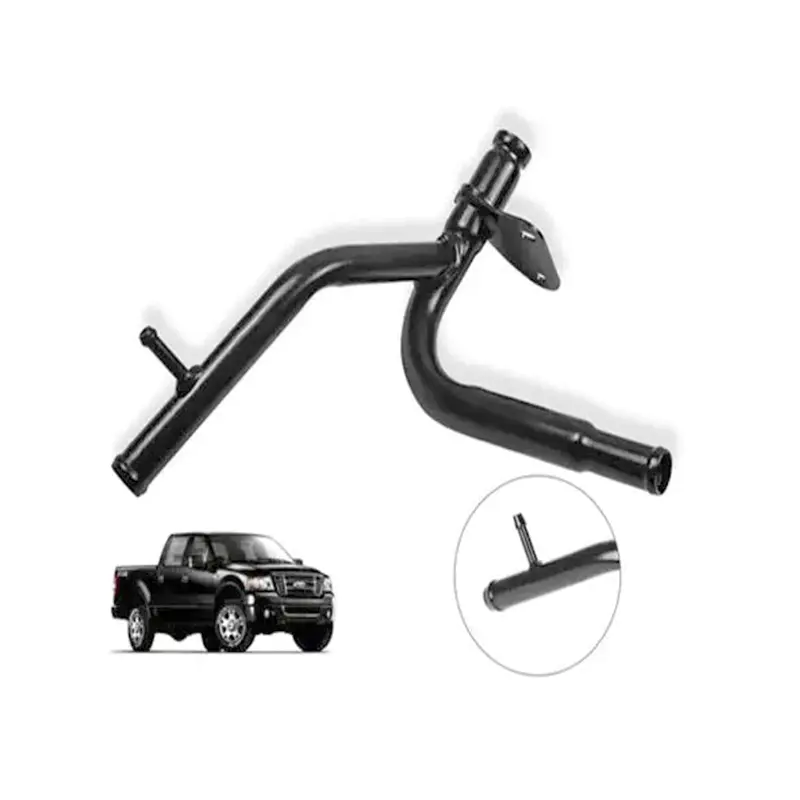
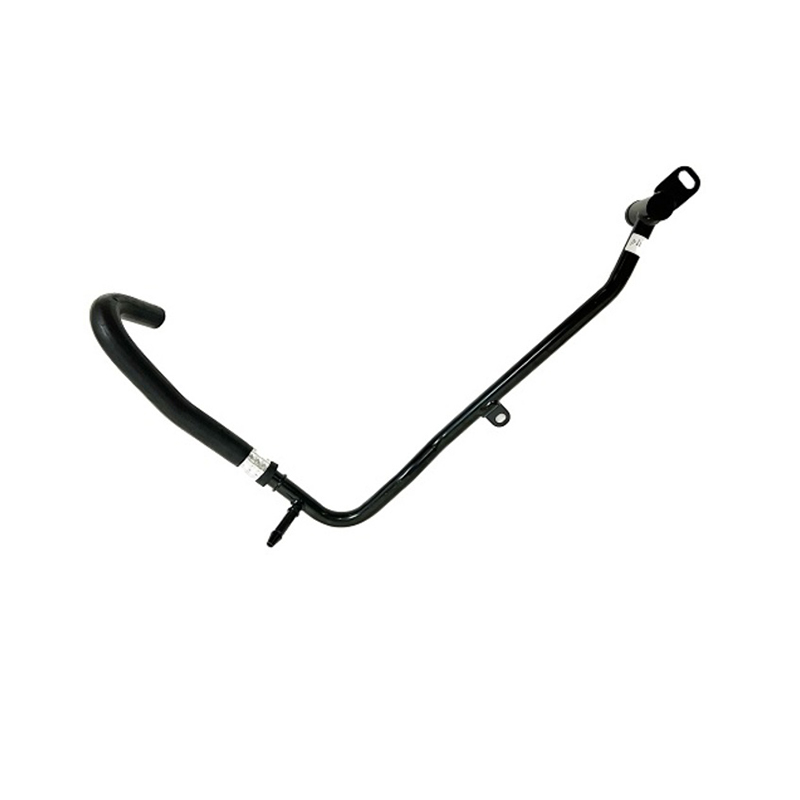
Precision metal tube fabrication is the production of metal tube parts where dimensions, joint quality and surface condition are controlled closely enough for sealed, pressurized or tightly fitted systems. It combines accurate cutting, forming and bending with quality welding or brazing and verification of the finished part.
Buyers are typically quality-focused component makers, system integrators and engineering procurement staff who cannot afford leaks or misfit. They examine joint method and strength, leak testing capability, dimensional tolerance, material traceability, cleanliness and the supplier's inspection equipment. A fabricator with both welding and laboratory capability gives them more confidence.
Ningbo Jiatian operates 4 fully automatic laser welders, 4 sets of welding robots, 6 Panasonic arc welding machines and 2 large brazing furnace lines, together with CNC bending and machining centers and a comprehensive laboratory. We fabricate to your drawing under OEM/ODM terms, provide samples for approval, and agree MOQ per part once the joint design and tolerance are clear.
For assemblies with several joints, we plan the welding or brazing sequence together with the fixture design to limit distortion. First articles are inspected for dimensions and joint appearance, and laboratory support is available when a closer look at material or joint structure is needed. This helps your team approve parts with confidence.
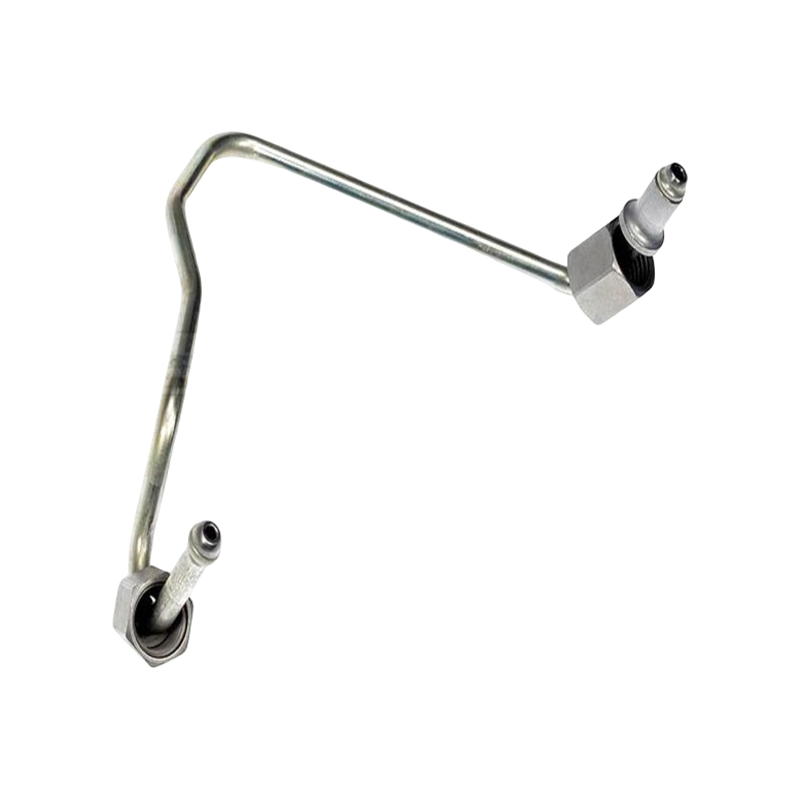
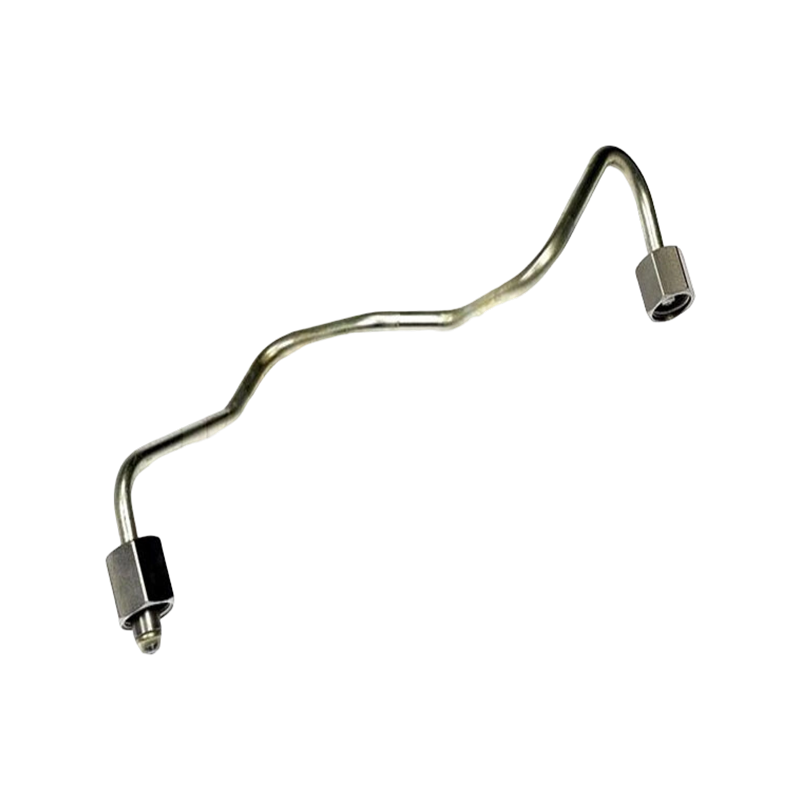
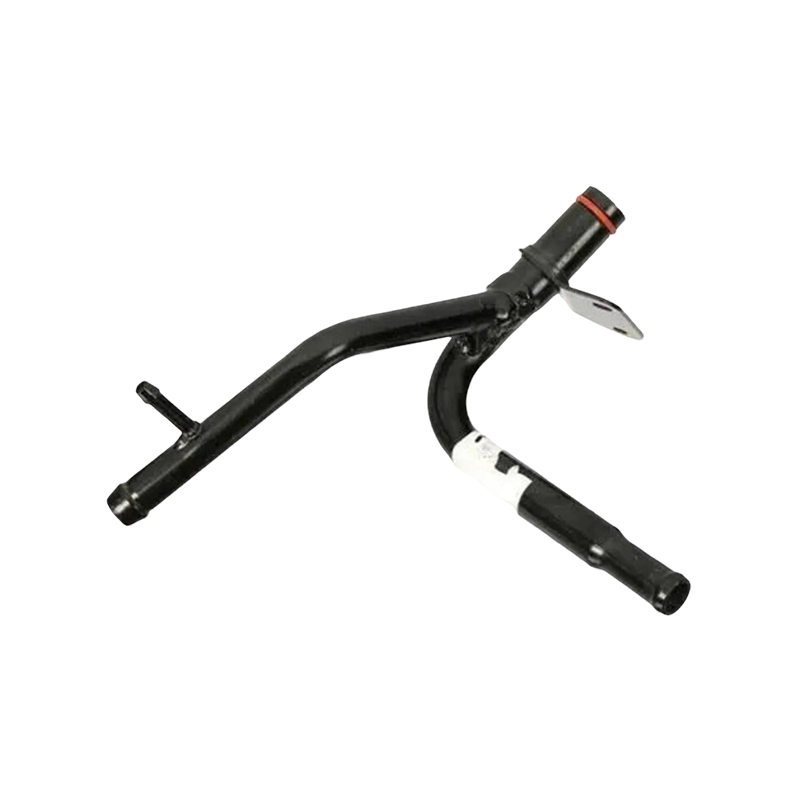
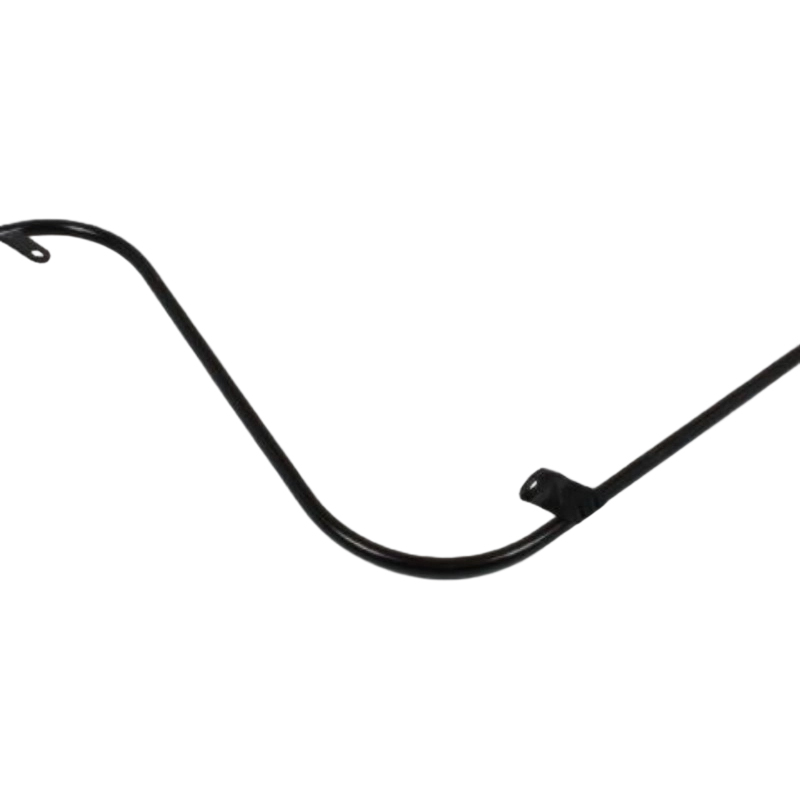
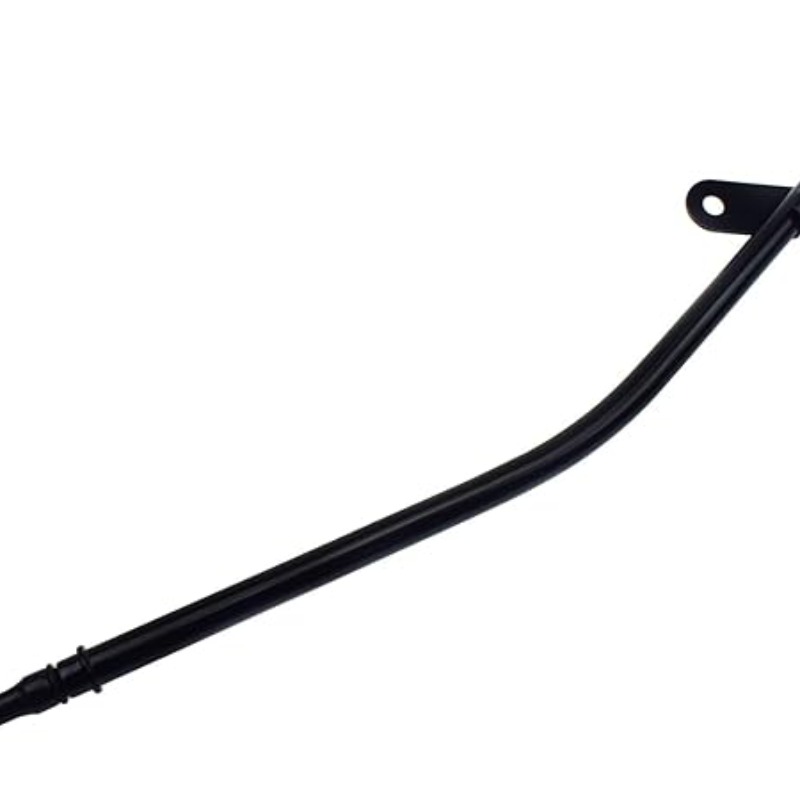
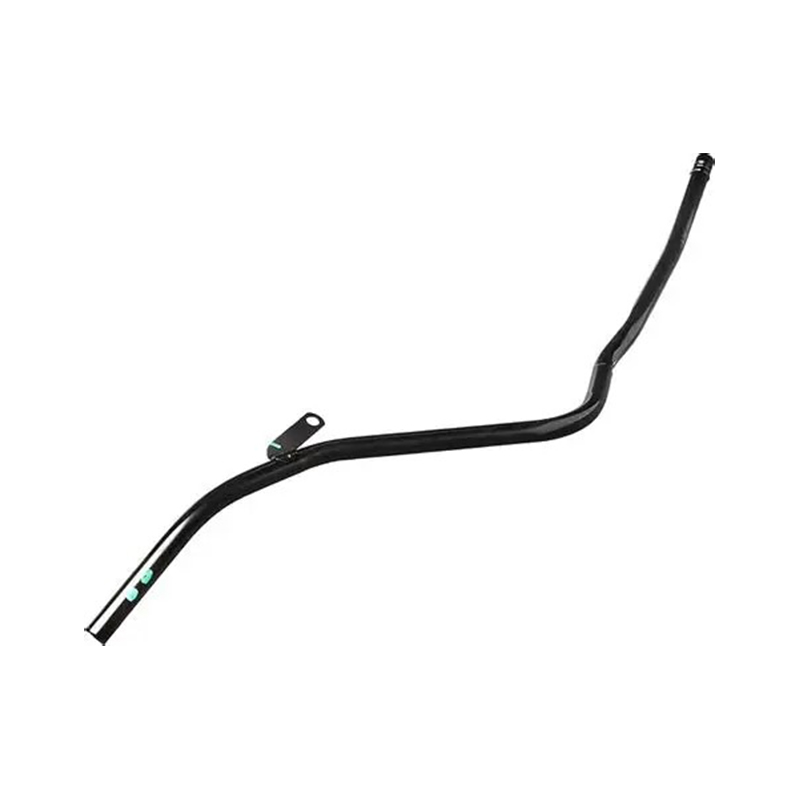
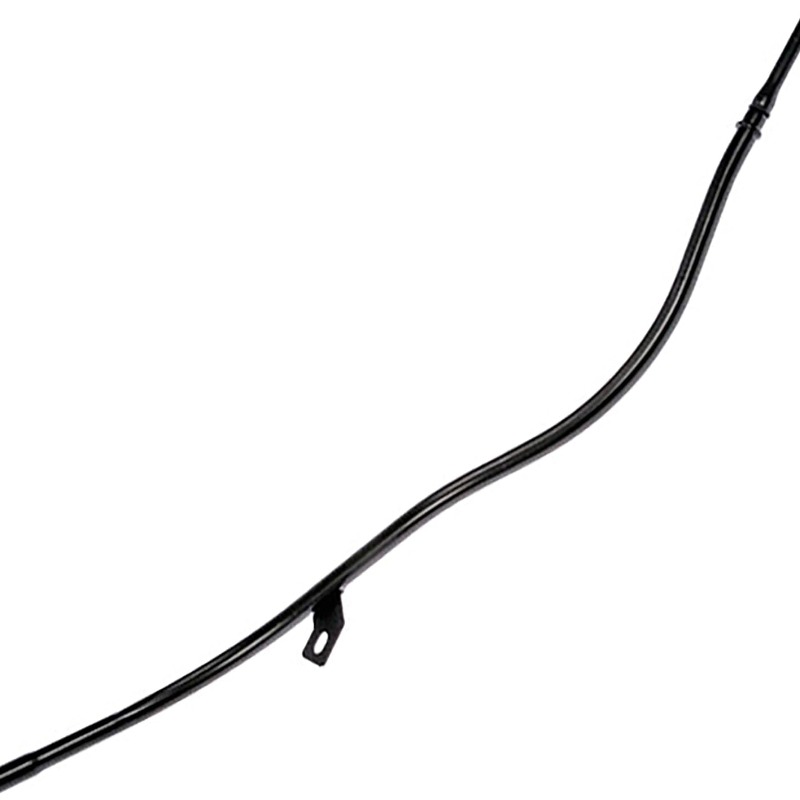
Product Overview
Precision metal tube fabrication focuses on the quality of the finished assembly. Tubes are cut and formed accurately, then joined to ends, brackets or other tubes using a process matched to the material and the service condition. Weld or braze quality is verified before the part leaves the factory.
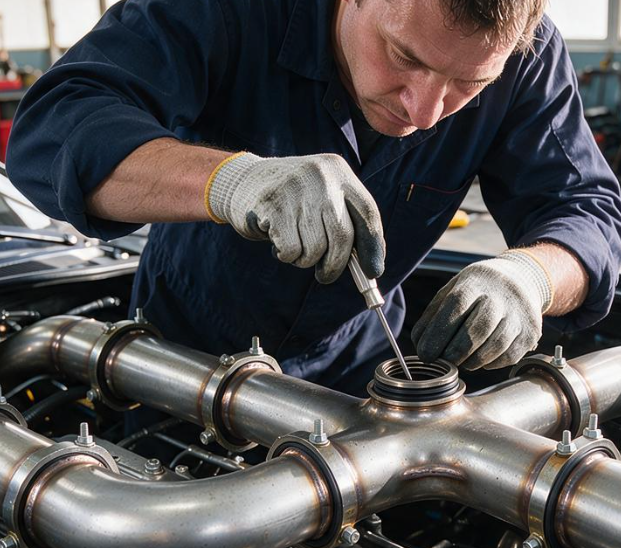
In automotive use, joints are often the weakest point in a tube system. Heat input can distort a tube, and a poor joint can leak under vibration or pressure. Good fabrication therefore balances joint strength with dimensional stability.
Main points for buyers
- Joining method and why it suits your material and design
- Weld penetration, braze coverage and visual or test acceptance criteria
- Distortion control after heat input
- Leak or pressure testing available for sealed parts
- Material compatibility between tube, fitting and filler
Fabrication cost depends on joint count, joining method, fixture complexity and testing requirements. Automated laser and robot welding lower labor cost at volume, while brazing suits batch assembly of many joints. When comparing suppliers, confirm what testing is included in the price and whether fixtures are charged separately.
Specification
| Parameter | Specification |
| Fabrication Scope | Cutting, bending, forming, joining, machining, testing |
| Tube Material | Stainless steel, carbon steel, aluminum, copper |
| Outside Diameter | Approx. 10 to 80 mm |
| Laser Welding | 4 fully automatic laser welders |
| Robot Welding | 4 sets of welding robots |
| Arc Welding | 6 Panasonic arc welding machines |
| Brazing | 2 large-scale brazing furnace assembly lines |
| Machining | 8 large-scale machining centers |
| Testing | Laboratory checks, dimensional inspection, leak test by agreement |
| Samples and MOQ | Samples for approval; MOQ by part |
Application
Application Scenarios
| Application Scenarios | Typical Parts | Key Requirement |
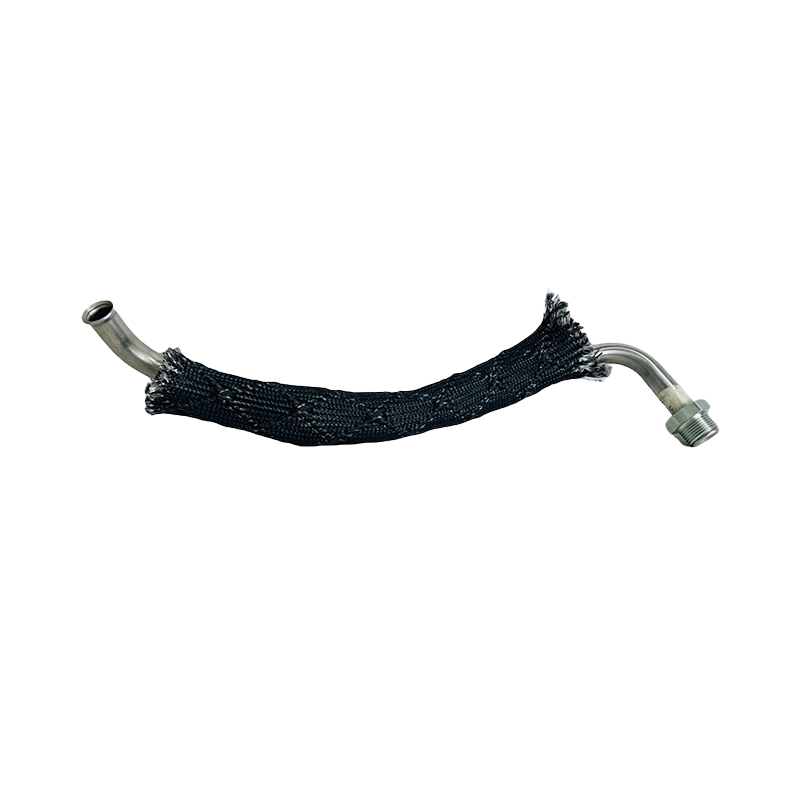
| Exhaust and Emission | Welded flexible pipe assemblies | Weld integrity at heat |
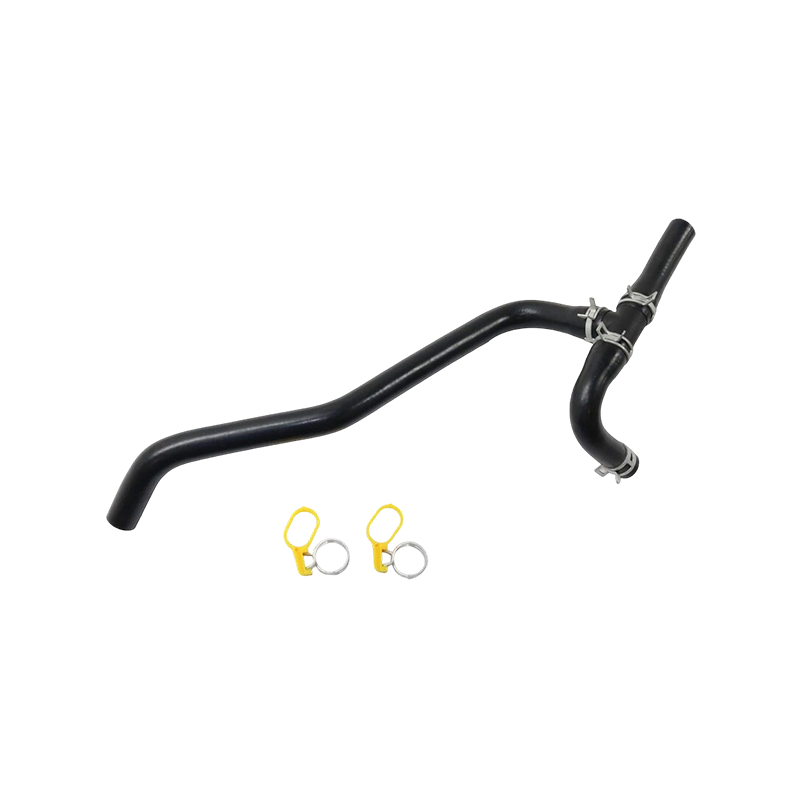
| Cooling Circuits | Brazed tube assemblies | Leak-tight joints |
| Fuel and Fluid Systems | Tube with welded fittings | Clean, accurate ends |
| Industrial Equipment | Welded process piping | Pressure strength |
Target Customers
Suitable and Unsuitable Uses
Suitable Uses
- Tube assemblies with several joints
- Sealed or pressurized fluid and gas lines
- Programs needing repeatable automated welding
Unsuitable Uses
- Unweldable or unknown material combinations
- Parts with no defined acceptance criteria
- Very large structural welding outside our range
Selection Guidance
- State the joint type and service condition.
- Choose laser, robot, arc or brazing according to material and volume.
- Define the test or inspection method for joints.
- Review fixture plan and distortion limits.
Usage Notes
- Verify material compatibility before joining
- Inspect joint appearance and penetration on first articles
- Check part dimensions after heat input
- Keep tubes clean before welding or brazing
- Record process parameters per batch
Advantages
Four Fully Automatic Laser Welders
Laser welding gives narrow, repeatable seams with low heat distortion. This improves dimensional accuracy and cuts rework on thin-wall tubes.
Four Welding Robot Sets
Robots repeat weld paths on every part. Stable quality at volume lowers defect rate and warranty risk.
Six Panasonic Arc Welders
Arc welding provides flexibility for thicker sections and varied joint types. You get the right method for each design without outside subcontracting.
Two Large Brazing Furnace Lines
Furnace brazing joins many points at once with uniform heat. It reduces cost per joint on high-volume assemblies.
Machining Before and After Joining
Eight machining centers prepare precise joint faces and finish fitting features. Accurate preparation supports better joint quality.
Laboratory Verification
A comprehensive laboratory examines materials and joints. Test evidence supports acceptance and protects against field failures.
Frequently Asked Questions
- Q: Which joining methods do you offer?
- A: We offer laser welding, robot welding, arc welding and furnace brazing, selected by material and design.
- Q: Can you weld stainless steel tubes?
- A: Yes. Stainless steel grades such as 304 and 316L are commonly welded using laser or arc processes.
- Q: How do you control distortion?
- A: We use fixtures, controlled heat input and automated paths, then check dimensions after joining.
- Q: Do you test joints for leaks?
- A: Leak testing can be arranged according to your specification and part design.
- Q: When is brazing better than welding?
- A: Brazing is useful for batch assemblies with many joints or dissimilar materials, while welding suits direct structural joints.
- Q: Can you provide samples of welded assemblies?
- A: Yes. We produce samples for dimensional, joint and fit approval before mass production.
- Q: What drawing details do you need for joints?
- A: Please mark joint locations, type, acceptance criteria and any testing requirement on the drawing.
- Q: What is the MOQ?
- A: MOQ depends on the assembly and fixture cost. Contact us with your drawing and volume.