English
 Español
Precision Tube Manufacturing
-- Steady & Reliable Manufacturer --
Brief Product Description
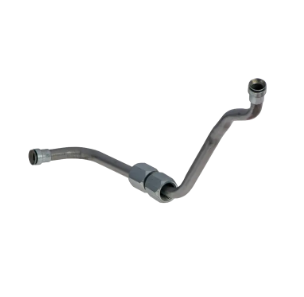
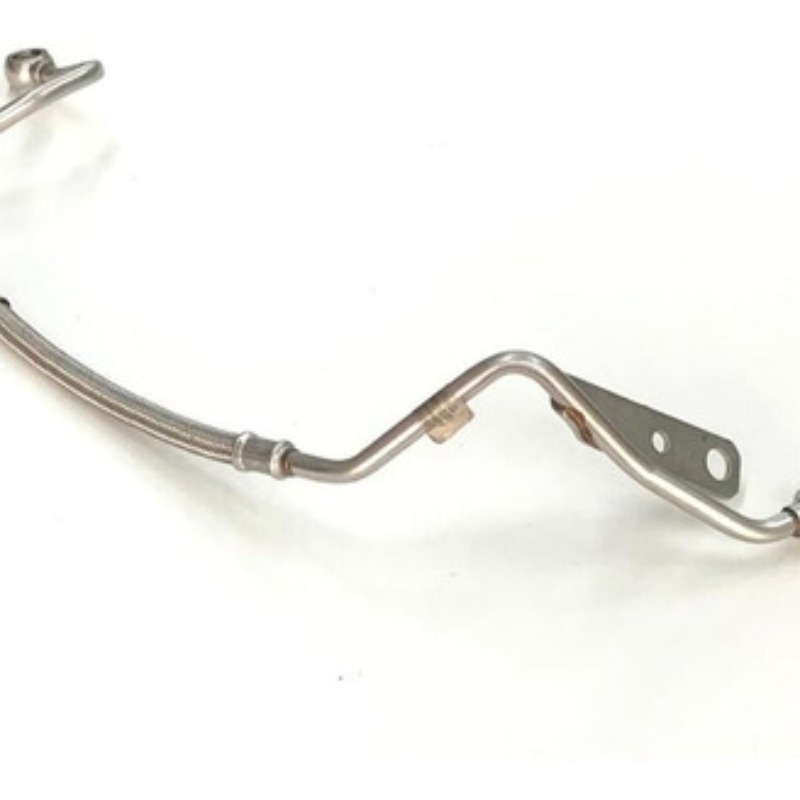
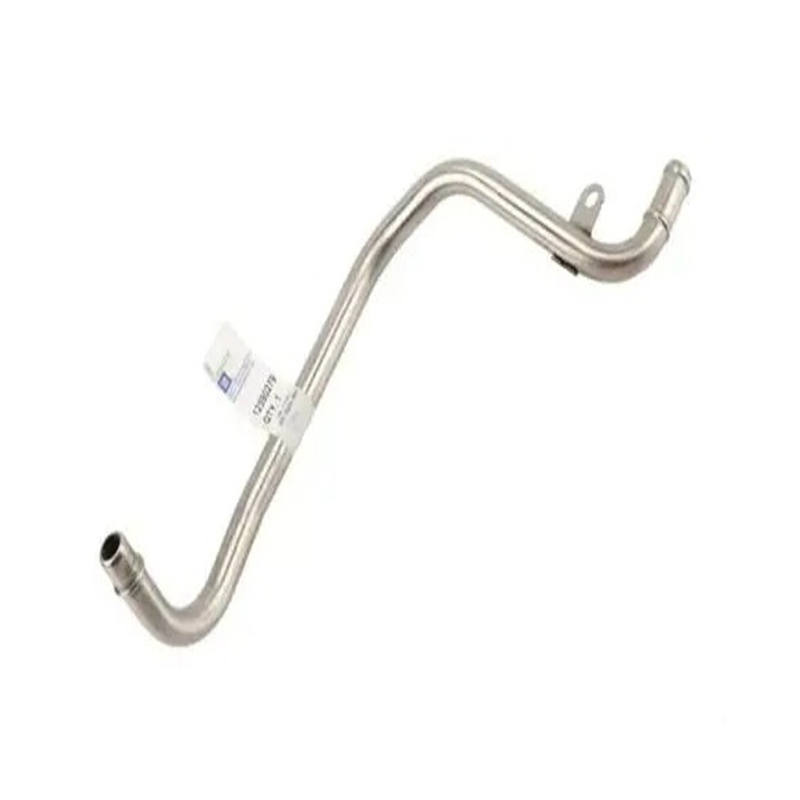
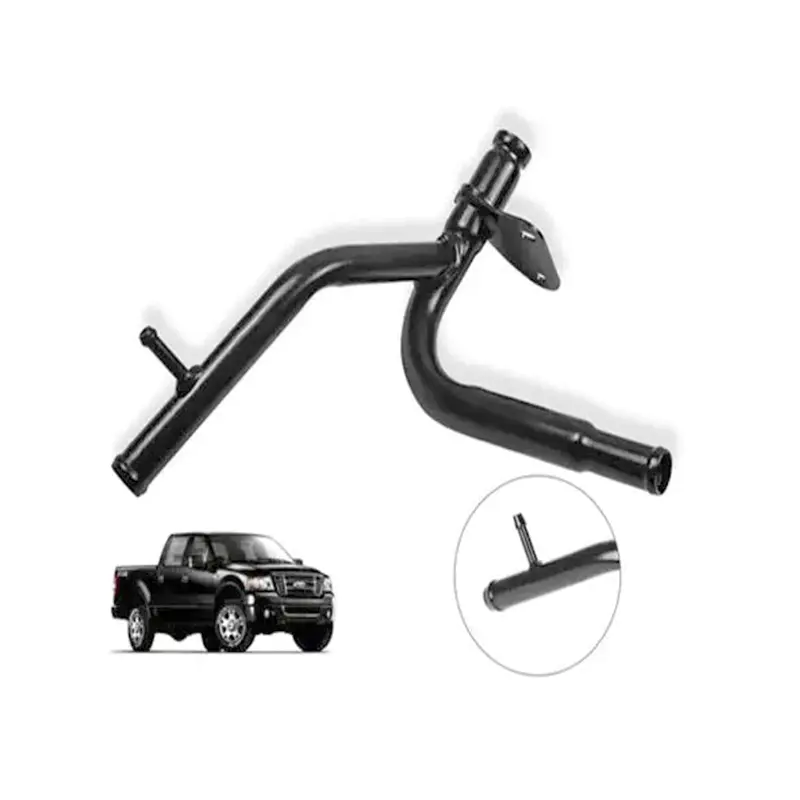
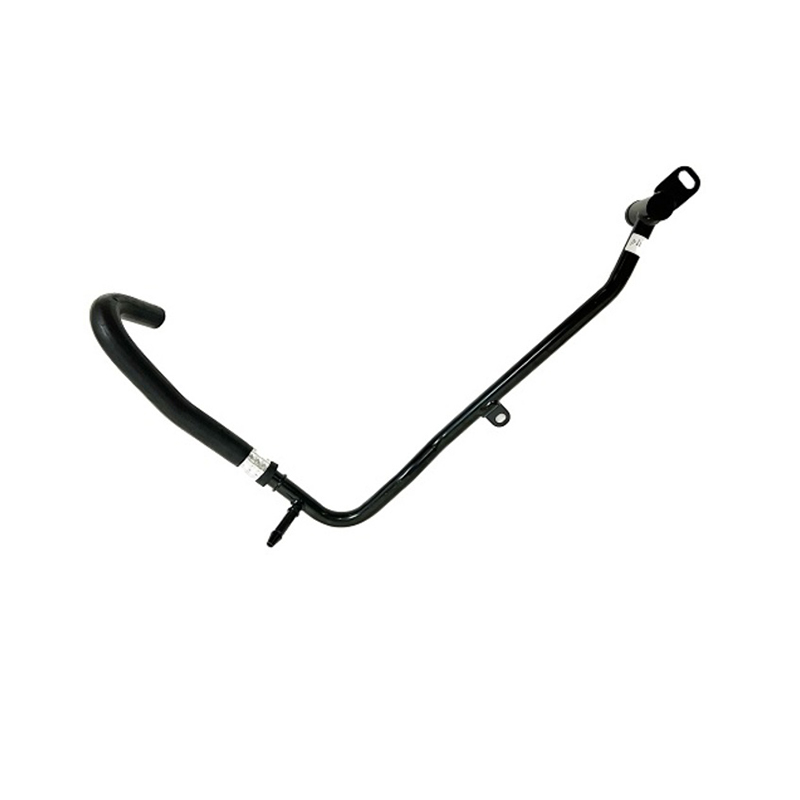
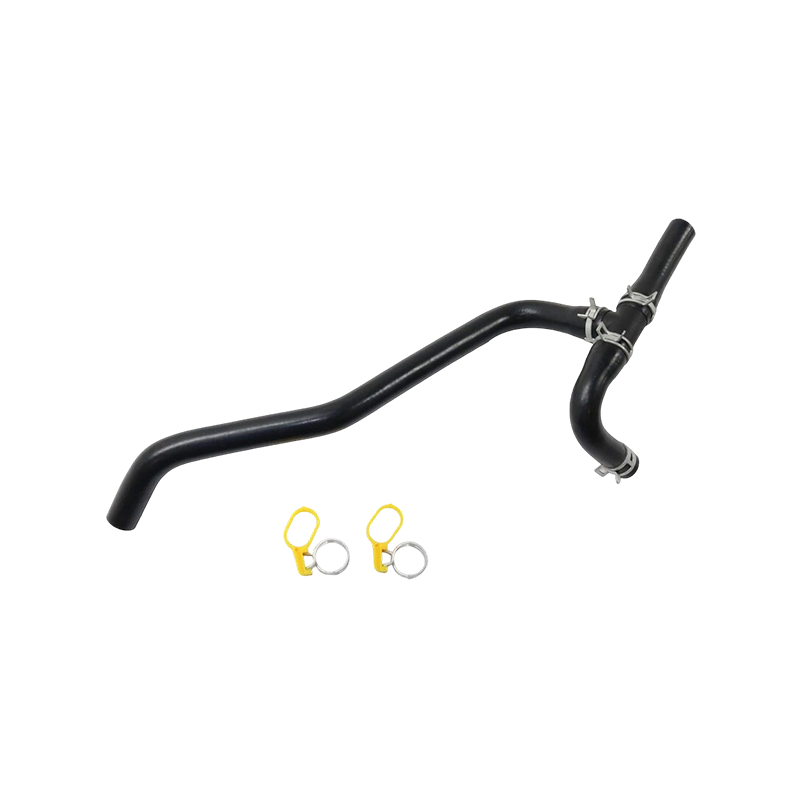
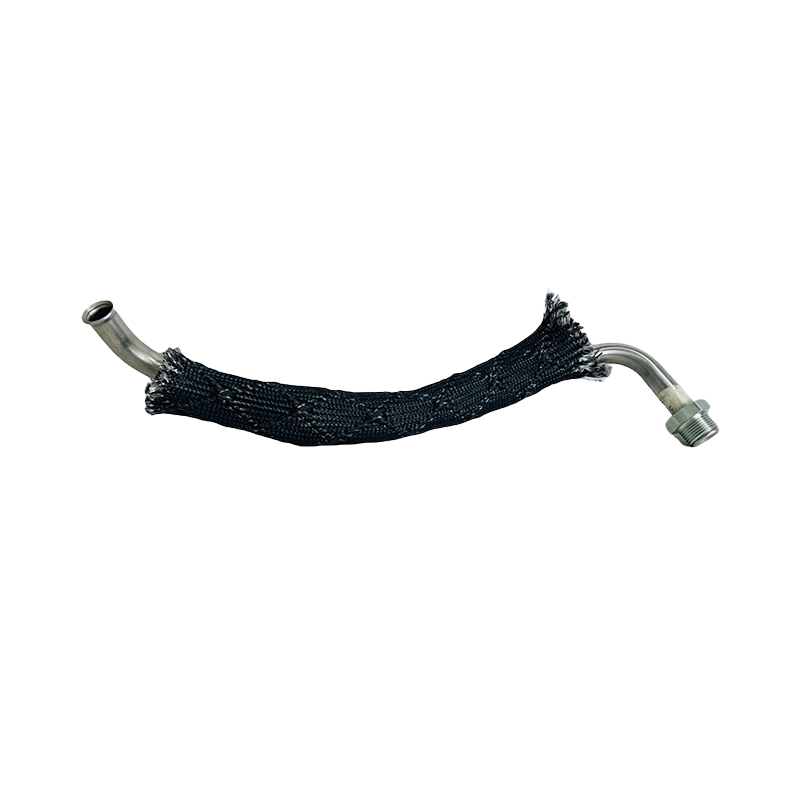
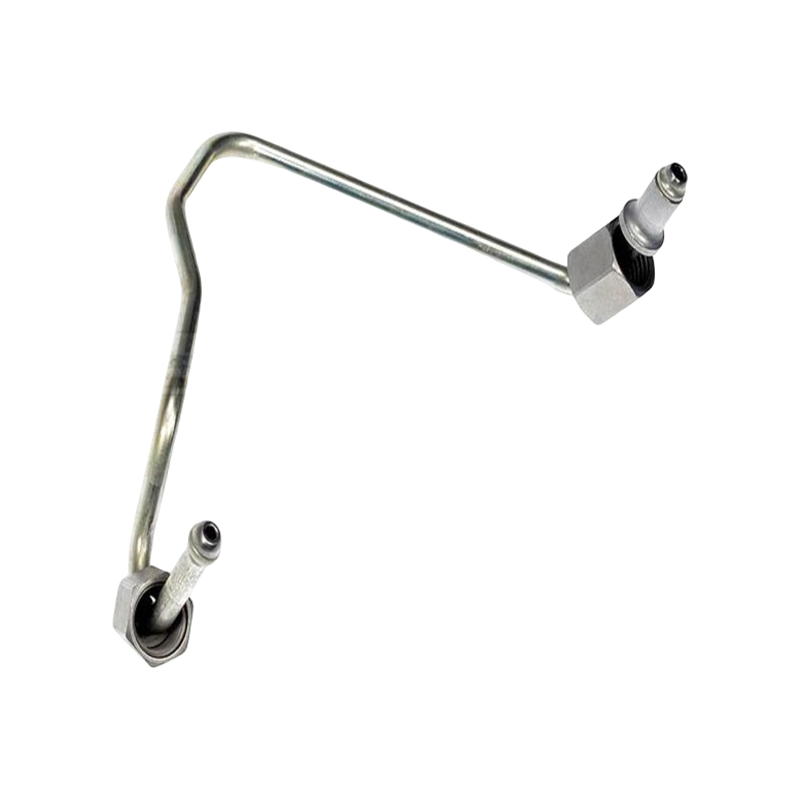
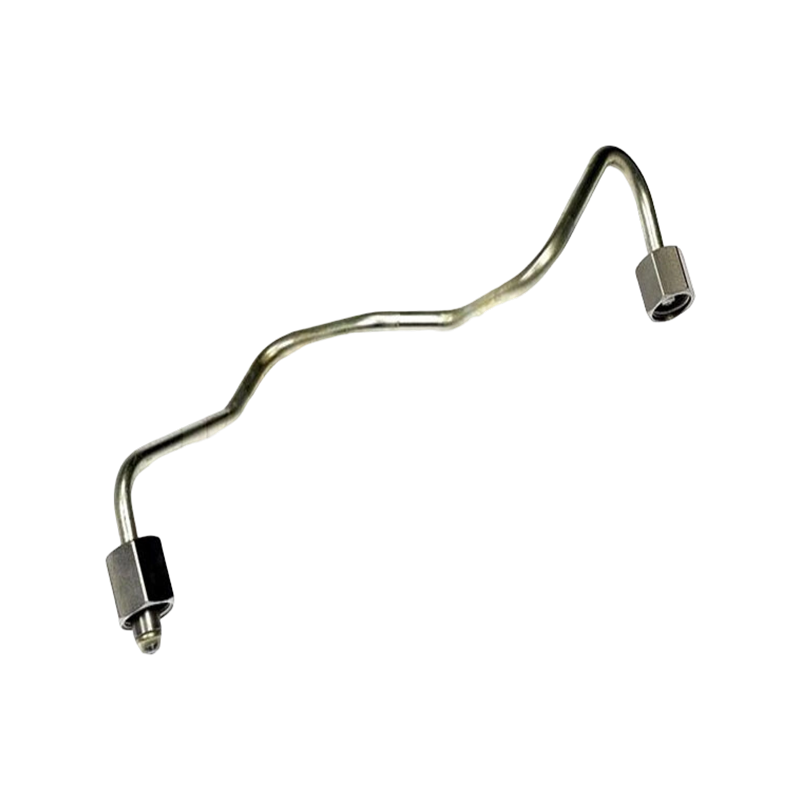
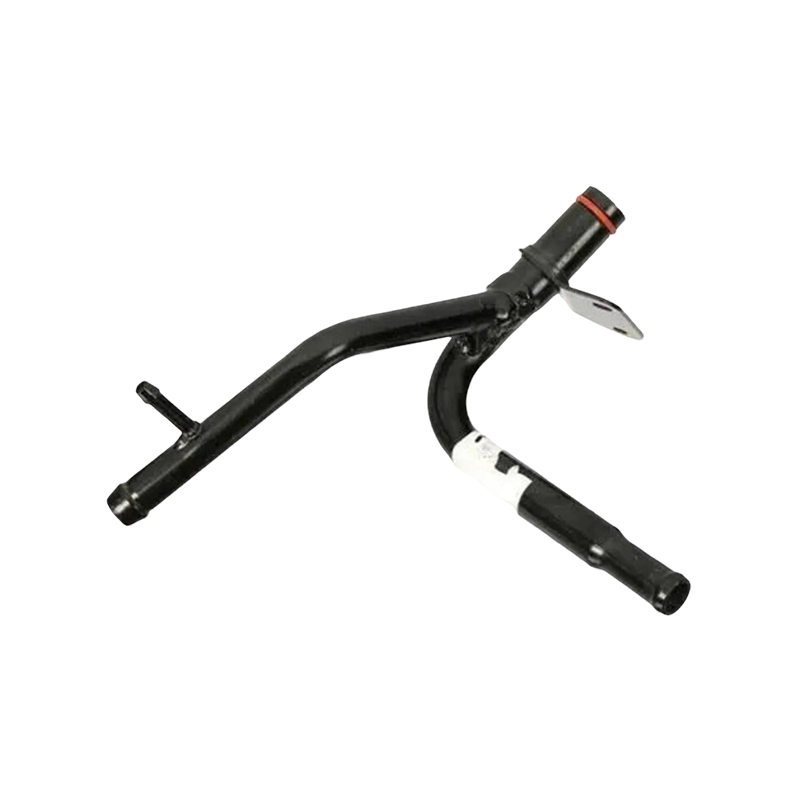
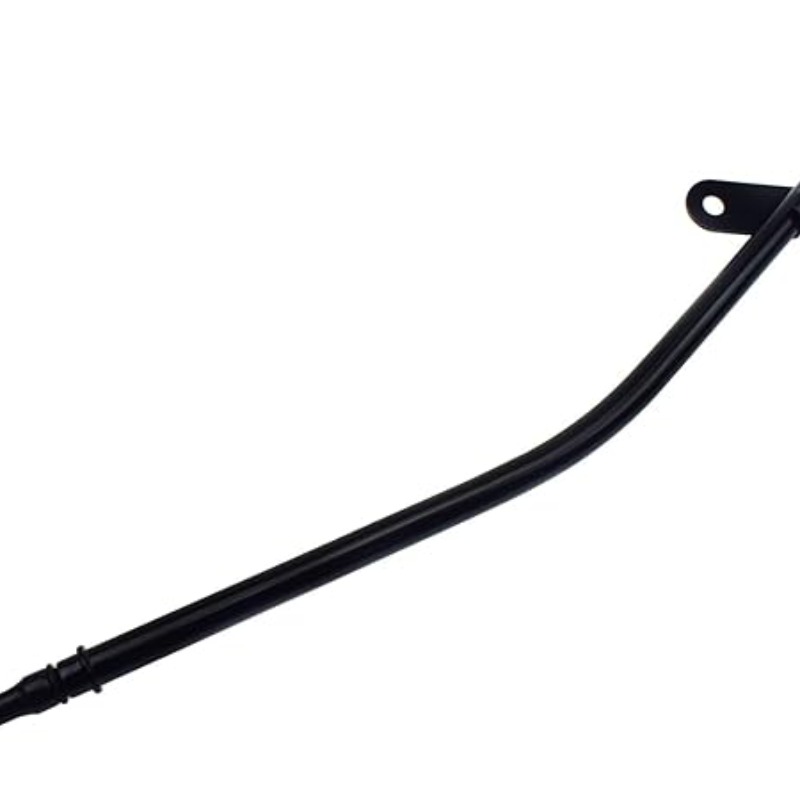
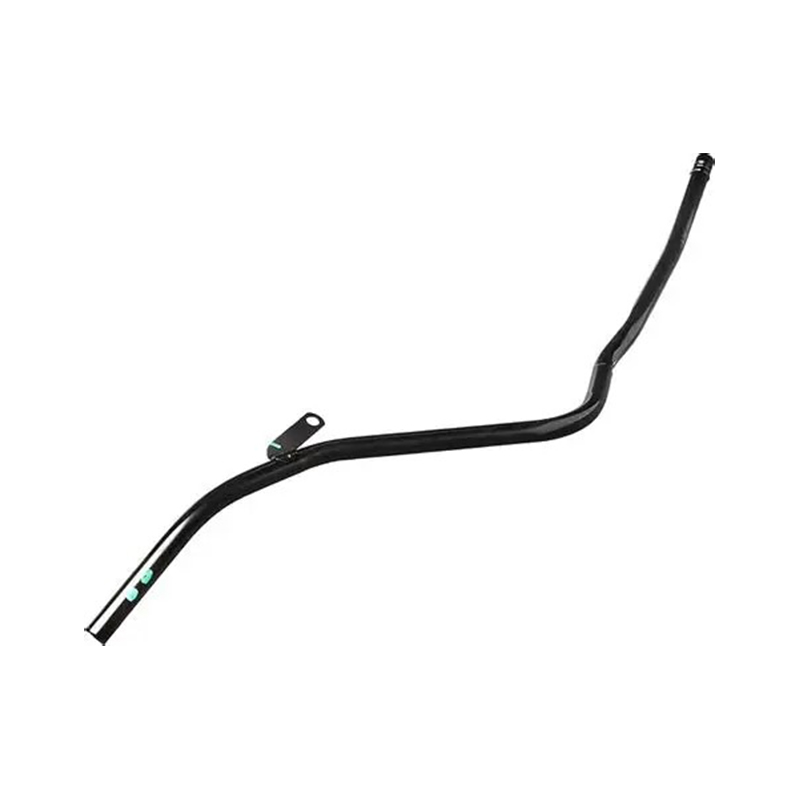
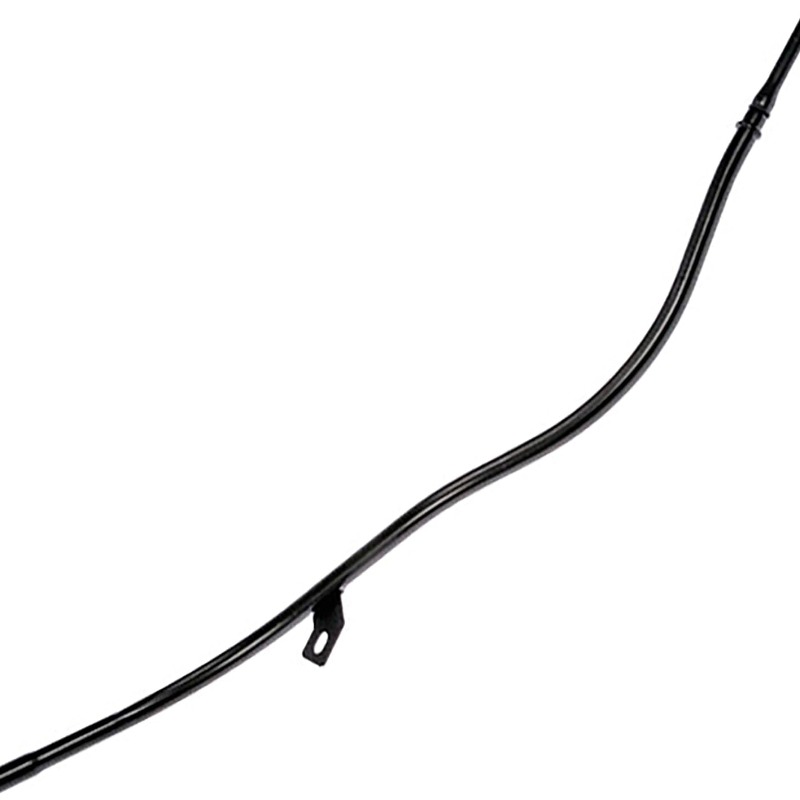
Precision tube manufacturing covers the production of metal tubes and tube assemblies where dimensions, roundness, wall consistency and surface condition are held within tight, drawing-defined limits. In automotive use this includes fluid lines, sensor housings, heat-exchanger tubes, corrugated pipe connections and fittings that must seal and fit without adjustment.
The people sourcing these parts are purchasing engineers, quality engineers and program managers at vehicle component makers. They compare outside diameter and wall tolerance, straightness, end squareness, surface roughness, material certificate and leak rate. They also ask whether the supplier controls the process in-house or sends critical steps to subcontractors.
Ningbo Jiatian combines CNC bending, hydraulic internal forming, an 800T water expansion machine, laser welding, welding robots and 8 machining centers with a comprehensive laboratory. That allows tight-tolerance tubes to be formed, machined and verified within one factory of 26,000 square meters. We accept OEM and ODM projects, build samples for approval, and agree MOQ by part number after reviewing your drawing.
Precision also depends on process discipline. Fixtures are matched to each part, first articles are measured before a run begins, and critical dimensions are rechecked during production. If a drawing carries tolerances that are difficult to hold, our engineers will tell you early and suggest practical alternatives so cost and quality stay in balance.
Product Overview
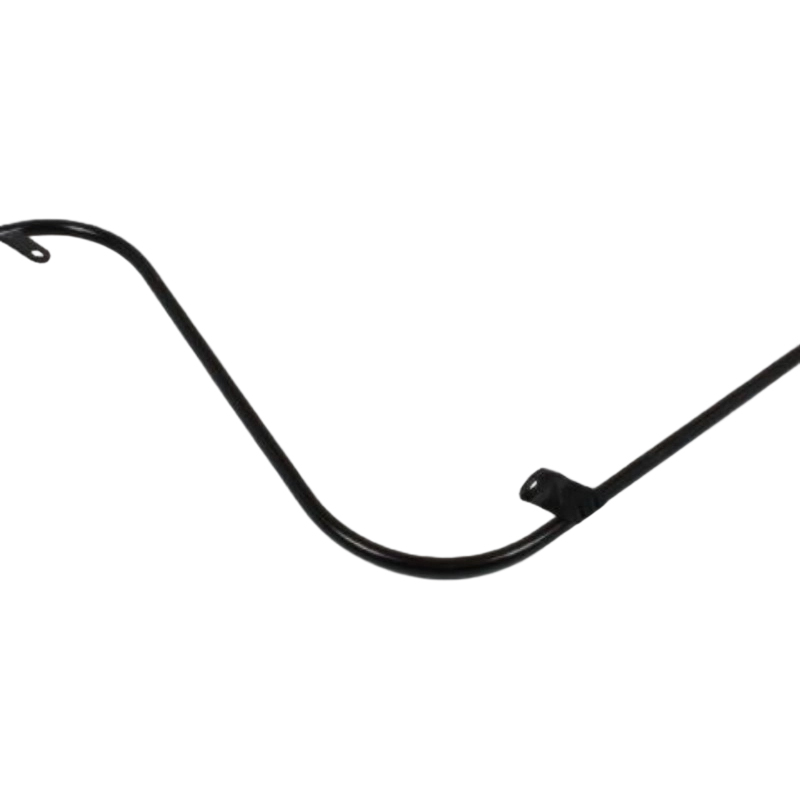
Precision tube manufacturing means the tube is treated as a engineered component, not as a commodity pipe. Dimensions, wall thickness and end geometry are defined on a drawing, and every forming, machining and joining step is set up to keep those limits from drifting during a production run.
In automotive programs this matters because tubes connect systems that cannot tolerate leaks or misalignment. A small error in end position or roundness can show up as a failed seal, a noisy line or a fitting problem at the assembly plant, so the process is built around repeatability and measured evidence.
Main points for buyers
- Dimensional tolerance on diameter, wall and length, stated clearly on the drawing
- Roundness and straightness after bending or forming
- Material traceability and certificate for each lot
- Surface condition and cleanliness for fluid or sealing applications
- Measurement method and reporting format agreed before first article
Precision always carries a cost, so make sure each supplier quotes the same tolerance class. Tighter limits increase scrap risk, inspection time and sometimes tooling. Material certificates, laboratory reports, special packaging and long-distance freight will also change the landed price. A realistic quote shows which dimensions are critical and which can be relaxed to save cost.
Specification
| Parameter | Specification |
| Tube Material | Stainless steel, carbon steel, aluminum, copper |
| Outside Diameter | Approx. 10 to 80 mm |
| Wall Thickness | Approx. 0.5 to 3.0 mm, per application |
| Dimensional Tolerance | Set per drawing; critical dimensions flagged |
| Forming Methods | CNC bending, internal hydroforming, water expansion |
| Machining | Machining centers for end faces and fittings |
| Joining | Laser welding, robot welding, arc welding, brazing |
| Surface Condition | Cleaned, deburred; coating or plating on request |
| Testing | Dimensional check, laboratory material testing |
| Samples and MOQ | Samples for approval; MOQ agreed per part |
Application
Application Scenarios
| Application Scenarios | Typical Parts | Key Requirement |
| Fluid Transfer | Fuel, coolant, oil lines | Leak-tight ends, clean bore |
| Emission and Exhaust | Sensor tubes, flexible connections | Heat and vibration resistance |
| Thermal Management | Heat-exchanger tubes | Wall consistency, joint quality |
| Industrial Equipment | Hydraulic and air lines | Pressure integrity, repeatability |
Target Customers
Suitable and Unsuitable Uses
Suitable Uses
- Parts with defined critical dimensions
- Sealed or pressurized tube systems
- Assemblies that combine forming and machining
Unsuitable Uses
- Projects with tolerance but no measuring method
- Very low cost parts with no quality requirement
- Designs that change every order
Selection Guidance
- Mark critical dimensions on the drawing and relax the rest.
- Select material by corrosion, temperature and pressure demand.
- Agree measurement method and report format early.
- Approve first article samples before volume release.
Usage Notes
- Handle finished tubes with care to protect end faces
- Check cleanliness requirements before packing
- Confirm gauge or fixture used for inspection
- Keep material certificates with each batch
- Store tubes dry to protect surface condition
Advantages
Water Expansion Capacity
An 800T hydraulic water expansion machine forms tubes with consistent wall and shape. This improves part strength and reduces the risk of cracks in service.
Eight Machining Centers
Machining centers produce accurate end faces and fitting features on site. Tighter assembly fits mean fewer line stoppages for your plant.
Laboratory Verification
A comprehensive laboratory checks material and dimensions against the drawing. You receive evidence for approval, not only a sales claim.
Automated Welding Lines
Four laser welders and four welding robots give repeatable joints on tube assemblies. Stable weld quality lowers leak risk and warranty exposure.
Leading Expansion Technology
The company's water expansion equipment and process are at an industry-leading level. That gives engineers room for complex shapes that standard bending cannot achieve.
Single-Factory Control
Forming, machining, welding and testing happen within a 26,000 square meter plant. Fewer subcontractors means shorter lead time and clearer responsibility.
Frequently Asked Questions
- Q: What tolerances can you hold on precision tubes?
- A: Tolerances depend on diameter, wall and process. We review the drawing and confirm what is achievable for each critical dimension.
- Q: Do you provide material certificates?
- A: Yes, material records can be supplied with each lot on request, supported by laboratory testing where needed.
- Q: Can you machine the ends of formed tubes?
- A: Yes. Our machining centers produce end faces, seats and fitting features after forming.
- Q: How do you verify dimensions?
- A: Parts are checked with gauges and measuring equipment, and a dimensional report can accompany sample approval.
- Q: Which materials do you recommend for corrosion resistance?
- A: Stainless steel grades such as 304 or 316L are common. We help select by environment and temperature.
- Q: Can you make precision tubes in small batches?
- A: Yes, samples and pilot batches are possible. MOQ is agreed per part after tooling review.
- Q: Do you offer welding and brazing for tube assemblies?
- A: Yes. Laser welding, robot welding, arc welding and brazing are all available in-house.
- Q: What drawing format do you accept?
- A: We accept PDF drawings and common 3D files, and we can also work from a physical sample.