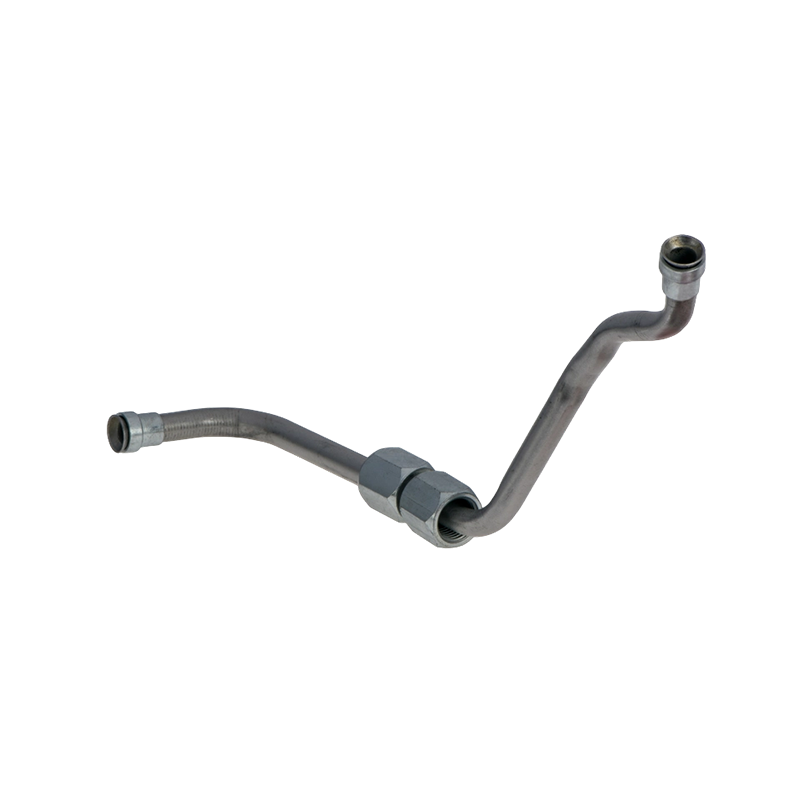
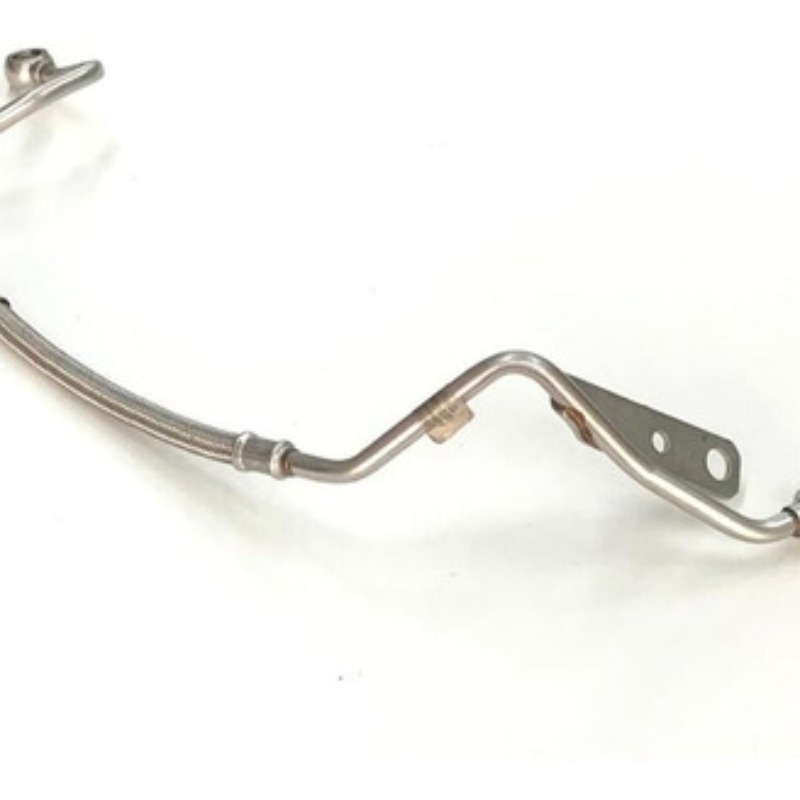
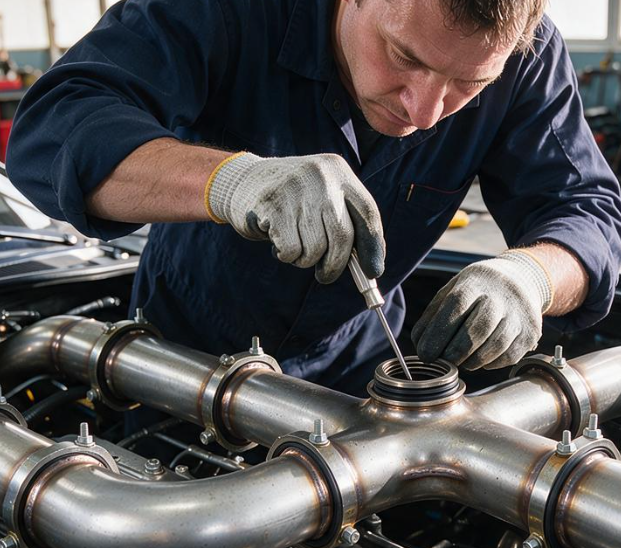
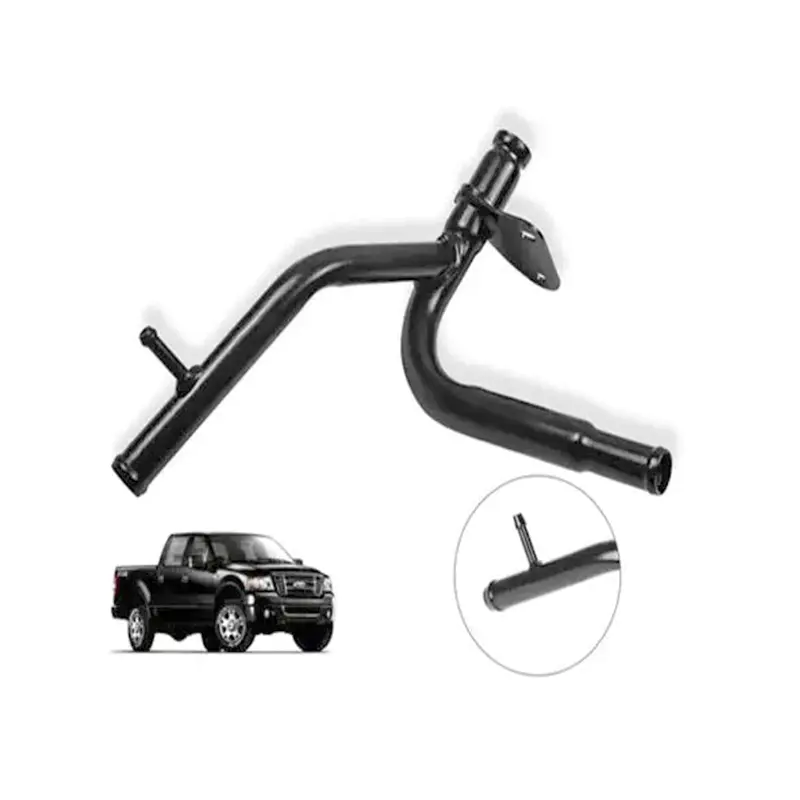
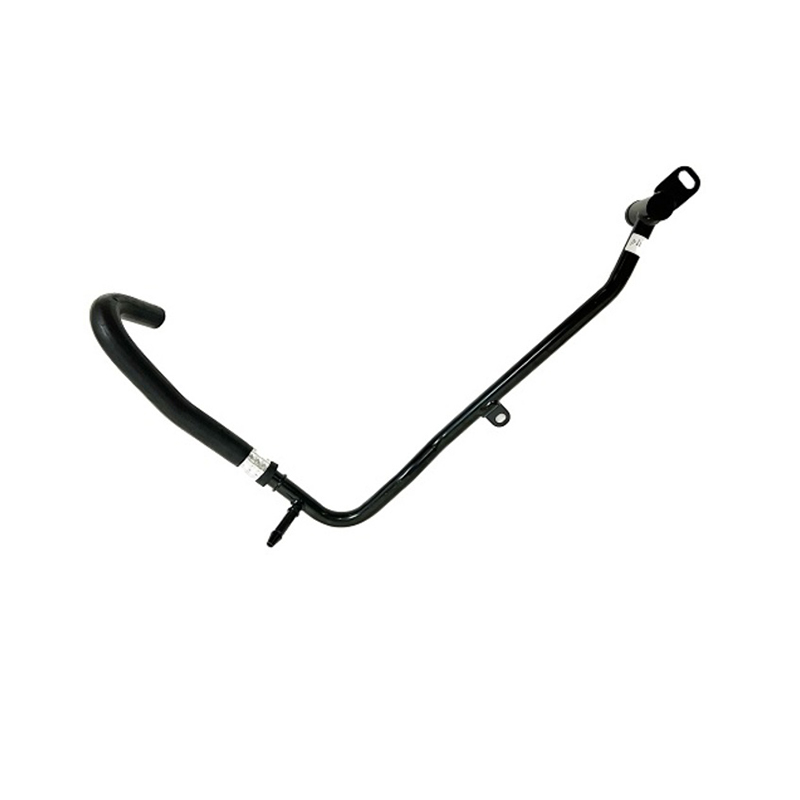
Stainless Steel Bellows Manufacturer

-- Steady & Reliable Manufacturer --
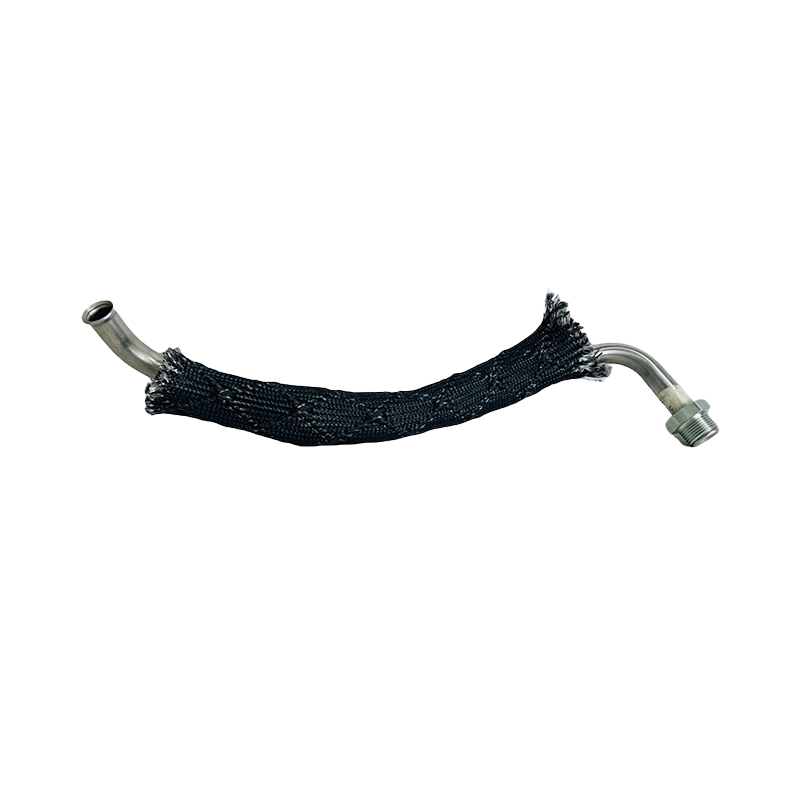
Brief Product Description

  • Material304, 316L and 321 stainless steel
  • Size RangeTypical ID Φ10 to Φ80 mm, length by drawing
  • Core ProcessHydraulic water expansion forming and laser welding
  • Key FunctionAbsorbs vibration, thermal growth and misalignment
  • CustomizationOEM and ODM, bellows only or complete flex assemblies
  • MOQ and SamplesSamples first, MOQ typically from 300 pieces

A stainless steel bellows is a thin-wall corrugated tube that can flex, compress and extend while staying sealed. In vehicles it is used mainly as a flexible joint in exhaust and EGR lines, where it absorbs engine vibration, thermal expansion and small misalignments so that rigid pipes and joints are not overstressed. Because the walls are thin and the corrugations act as springs, forming quality has a direct effect on how many movement cycles the part can survive.

The buyers are exhaust system makers, tier suppliers, engine builders, aftermarket brands and trading companies. When they select a bellows, they look at material grade, corrugation profile, number of plies, spring rate, allowed movement, pressure and temperature, and fatigue life. These choices decide whether the flexible joint survives the service life of the vehicle. Buyers also ask how the bellows will be connected, since weld sleeves, flanges or straight ends change both cost and installation.

Our water expansion corrugated pipe equipment and technology are at an industry-leading level. We run an 800T hydraulic water expansion machine and 10 hydraulic internal forming machines, with four fully automatic laser welders and four welding robots to attach end pieces and sleeves. A comprehensive laboratory supports material and performance checks. Material and weld checks are carried out before volume production, which helps confirm the structure before you commit to a large order.

We accept OEM and ODM bellows projects from drawings, samples or performance requirements. Samples are provided for fit and movement checks, and the MOQ typically starts from a few hundred pieces, depending on size and ply count. We can supply the bellows alone or as part of a complete flexible assembly with pipes and flanges. Send us your diameter, length, movement and temperature data, and we will recommend a bellows structure and give a quotation.

Product Overview

A stainless steel bellows is made from thin stainless tube that has been shaped into a series of rounded convolutions. Each convolution acts as a small spring, so the tube can bend, compress and extend without breaking. Because the wall is thin, the part stays light and flexible, but it also needs careful forming and welding to keep fatigue life high.

Hydraulic water expansion is a common way to make bellows. The tube is placed in a segmented die, filled with water and pressurized, and axial force pushes the ends toward each other, forming the convolutions. The depth and pitch of the convolutions determine stiffness and allowed movement. Single-ply and multi-ply constructions are used, where more plies raise pressure capacity but also stiffness.

800TWater expansion machine
3 grades304, 316L and 321
Φ10 to Φ80 mmTypical diameter range
Laser weldedEnds and sleeves

Main points for buyers

  • Movement type: state whether the bellows must handle axial, lateral or angular movement, and how much.
  • Temperature and media: give the maximum temperature and the type of gas or fluid for grade selection.
  • Convolution design: depth, pitch and ply count control stiffness and fatigue life.
  • End connections: specify weld sleeves, flanges or pipe ends, and the weld method.
  • Life requirement: state the required cycles or the vibration profile if available.

What affects landed cost. Bellows cost depends on stainless grade and the metal market price, wall thickness and ply count, convolution count, welded end parts, testing, packaging and order quantity. Forming dies or tooling for a new profile may also be charged. Freight and duty terms (EXW, FOB or CIF) complete the landed cost, so compare quotations with the same ply count and end parts.

Specification

ParameterTypical Specification
Product TypeStainless steel corrugated bellows and bellows assemblies
Materials304, 316L, 321 stainless steel
Diameter RangeTypical Φ10 to Φ80 mm
Forming MethodHydraulic water expansion forming
ConstructionSingle-ply or multi-ply, by pressure and stiffness requirement
Corrugation ProfileConvolution depth and pitch designed to drawing
End ConnectionsWeld sleeves, flanges or straight ends joined by laser or robot welding
MovementAxial, lateral or angular, defined by application data
TestingDimensional check, leak test and performance check as required
Drawing Formats2D PDF or DWG, 3D STEP or IGES, or a physical sample
Sample Lead TimeTypically 15 to 30 days depending on forming tool needs
MOQ and PackagingMOQ typically from 300 pieces, individually protected in trays or cartons

Values shown are typical ranges. Final specifications are confirmed against your drawing or sample before sampling.

Application

Application Scenarios

ApplicationTypical PartsBuyer Focus
Exhaust decouplingFlexible joints between engine and exhaustVibration absorption and sealing
EGR and turbo linesBellows sections in hot gas linesThermal growth and heat resistance
Commercial vehiclesFlex sections in heavy-duty exhaust systemsService life under vibration
Aftermarket repairReplacement bellows for existing flex pipesDimensional fit to original

Target Customers

Exhaust System Makers

Need bellows with stable fatigue life and clean laser-welded ends.

Engine and Powertrain Builders

Need flexible joints sized to defined movement and temperature.

Aftermarket Brands

Need replacement bellows made to sample at flexible quantities.

Suitable and Unsuitable Uses

Suitable Uses

  • Lines that move or vibrate relative to rigid pipes
  • Hot gas sections that grow with temperature
  • Systems where small misalignment must be absorbed

Unsuitable Uses

  • Fixed rigid joints with no movement requirement
  • Applications with extreme pressure not matched to the ply count
  • Parts used without end support where the bellows would carry load

Selection Guidance

  • 1Define the movement. Give axial, lateral and angular movement values and how often they occur.
  • 2Select grade by heat and media. 304 suits general use, 316L suits more corrosive media, and 321 suits higher temperatures.
  • 3Choose ply count. More plies increase pressure capacity but also stiffness, so balance both.
  • 4Decide the end design. State weld sleeves, flanges or straight ends and the connection standard.

Usage Notes

  • Do not stretch or compress a bellows beyond its rated movement.
  • Avoid twisting the bellows during installation.
  • Protect the convolutions from impact and sharp tools.
  • Check weld joints and convolutions for cracks during service inspection.
  • Install with correct alignment and use guides where the design requires.

Advantages

  • 01

    Water expansion forming technology

    Our water expansion corrugated pipe equipment and technology are at an industry-leading level, with an 800T machine in our plant. Consistent convolutions give predictable stiffness and fatigue life.

  • 02

    Laser-welded ends

    Four fully automatic laser welders and four welding robots join end pieces with narrow, repeatable seams. This lowers leak risk and improves reliability in hot gas lines.

  • 03

    Grade options

    304, 316L and 321 can be selected to match corrosion and temperature. You avoid paying for a higher grade than the application needs.

  • 04

    Design support

    Our R&D center reviews convolution depth, pitch and ply count against your movement data. Better matching of design and duty improves fatigue life and reduces warranty risk.

  • 05

    Complete assemblies

    We can supply the bellows alone or as a finished flex assembly with sleeves, flanges and pipes, using our bending and machining equipment. One supplier handles the entire part, which simplifies your purchasing.

  • 06

    Laboratory verification

    A comprehensive laboratory supports material and performance checks before volume production. Issues are found at sample stage, which protects your schedule.

Frequently Asked Questions

  • Q: What is a stainless steel bellows used for in vehicles?
  • A: It works as a flexible joint, mainly in exhaust and EGR lines. It absorbs engine vibration, thermal expansion and small misalignment so rigid pipes and joints are not overstressed.
  • Q: Which stainless grade should I choose for a bellows?
  • A: 304 is suitable for general use, 316L for more corrosive media and 321 for higher temperatures. We recommend a grade after reviewing your temperature and media.
  • Q: How is the bellows formed?
  • A: We use hydraulic water expansion forming. The tube is pressurized with water inside a segmented die, and axial force forms the convolutions.
  • Q: What is the difference between single-ply and multi-ply bellows?
  • A: Single-ply bellows are more flexible and are common where pressure is low. Multi-ply bellows carry higher pressure but are stiffer. The choice depends on your pressure and movement requirement.
  • Q: What information do you need to quote a bellows?
  • A: We need diameter, length, allowed movement, temperature, pressure, media and end connection details. A drawing or sample speeds up the quotation.
  • Q: What is the MOQ for bellows?
  • A: The MOQ typically starts from around 300 pieces. Pilot quantities can be discussed for new designs.
  • Q: How long does a bellows sample take?
  • A: Samples usually take 15 to 30 days after the drawing is confirmed, depending on whether new forming tools are needed.
  • Q: Can you supply bellows with welded end pieces?
  • A: Yes. We can weld sleeves, flanges or pipes to the bellows using laser or robot welding, and supply a finished flex assembly.

Contact us to learn more

Tell us the movement, temperature and media of your application, and we will suggest a stainless bellows design.

Contact Us

+86-138 0586 3066

+86-574 8840 6311

View ProductsSend an Inquiry

About Us
Professional Manufacturer Of Automotive Pipe Fittings
As a

China automotive pipe fittings manufacturer and automotive tubing factory

, The company was established on the basis of the development of Ningbo Xingxin Metal Products Factory (established in 1995), and is a high-tech enterprise specializing in the production of automotive pipe fittings. The company's area is 32,000 square meters; the factory area is 26,000 square meters.
More About Us
  • 0

    Establishment

  • 0

    Factory Area

  • 0+

    Technical Staff

  • 0

    Product Line

Advantage
Beyond Your Expectation, Within the Budget.
  • Quality Quality
    We have our own laboratories and the most advanced testing equipment in the industry to ensure product quality.
  • Cost Cost
    We have two our own casting foundries and one CNC machining factory.So we can offer the best price and best products directly.
  • Customization Customization
    We have a strong R&D team,and we can develop and produce products according to the drawings or samples the customers offered.
  • Service Service
    We focus on developing high-quality products for the high-end market, and our products meet international standards.
  • Diversity Diversity
    We have a variety of manufacturing processes such as pipe strip forming, welding, stainless steel corrugation forming, pipe bending, etc., which can meet the development and production of products of different shapes, sizes and materials.
  • Capacity Capacity
    Our annual output exceeds 2,600 tons, which can meet the needs of customers with different purchasing volumes.
  • Transportation Transportation
    We are only 35 kilometers away from Beilun Port, exporting is very convenient.
News
Learn About Our Latest News From Blog
Explore Our News