English
 Español
Tube Hydroforming Manufacturer
-- Steady & Reliable Manufacturer --
Brief Product Description
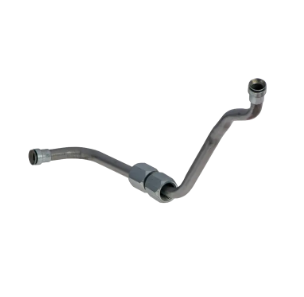
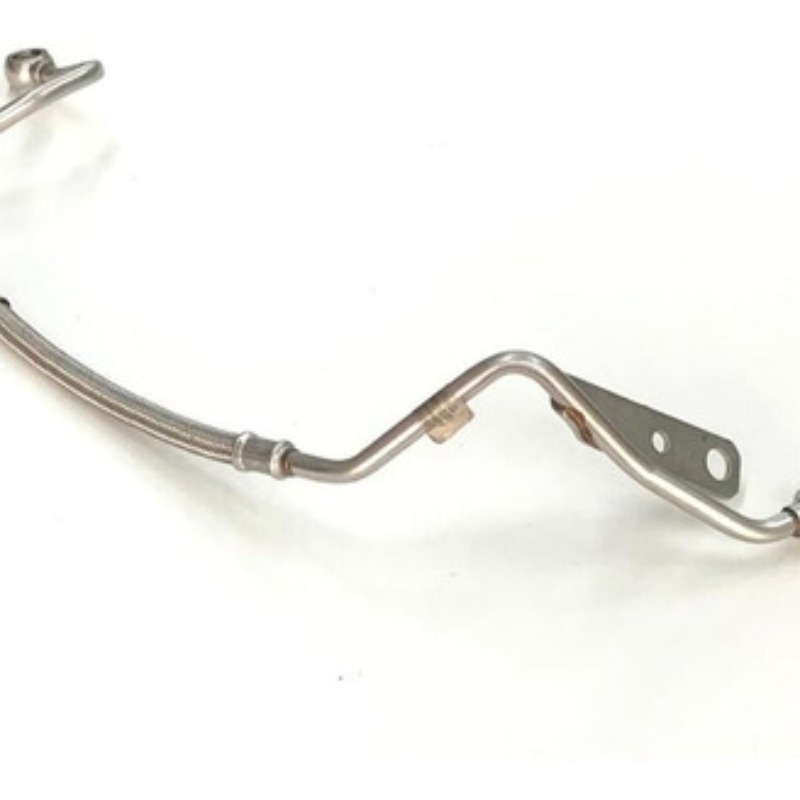
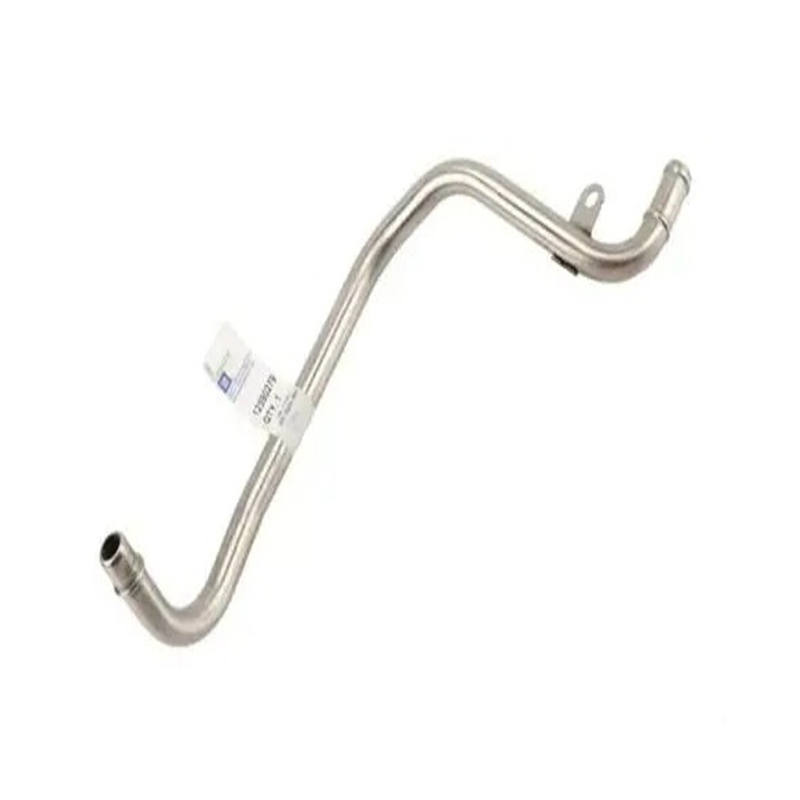
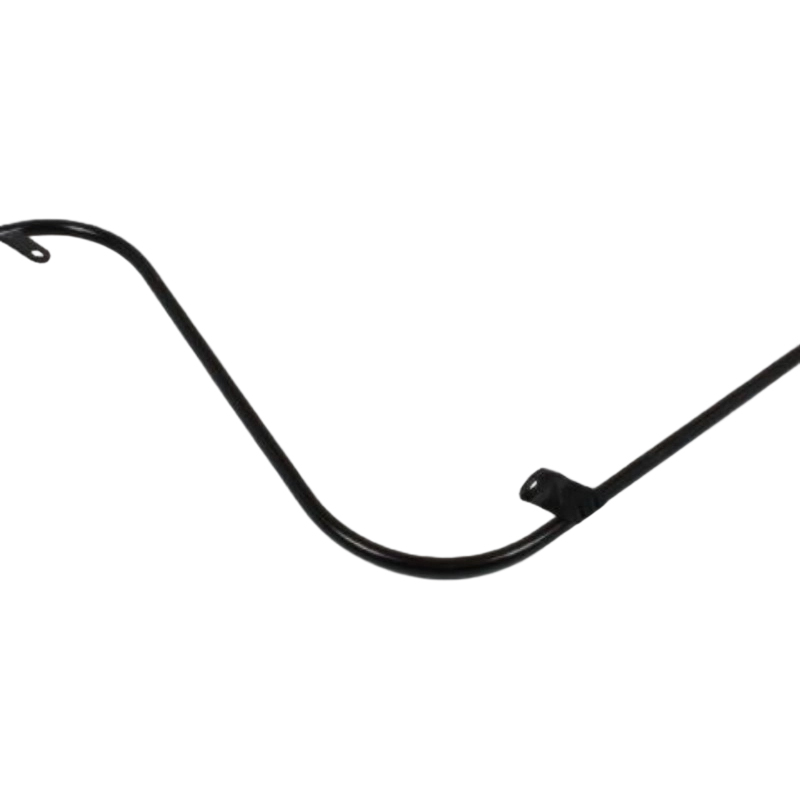
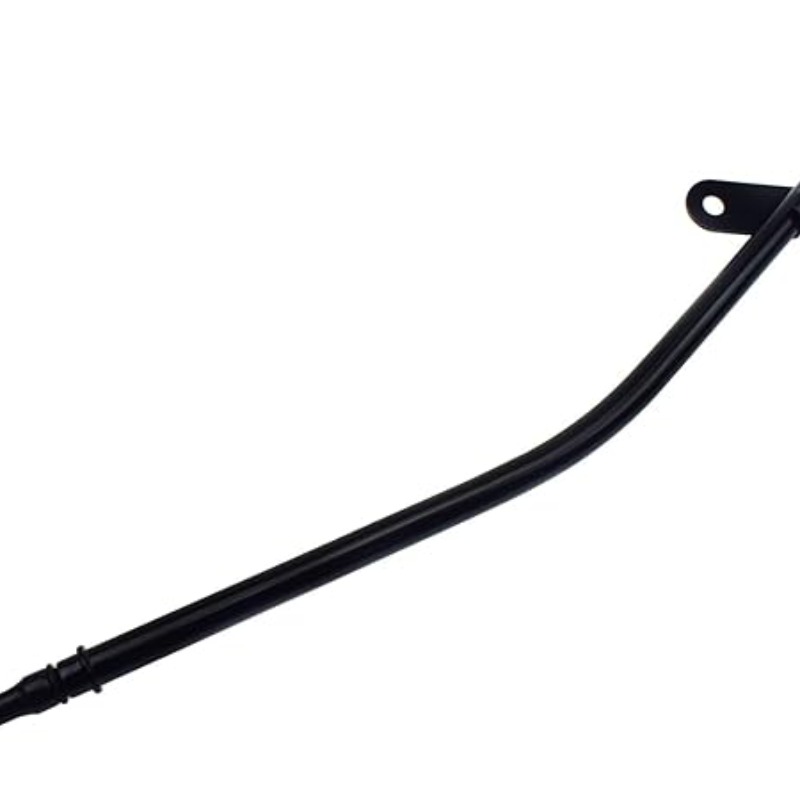
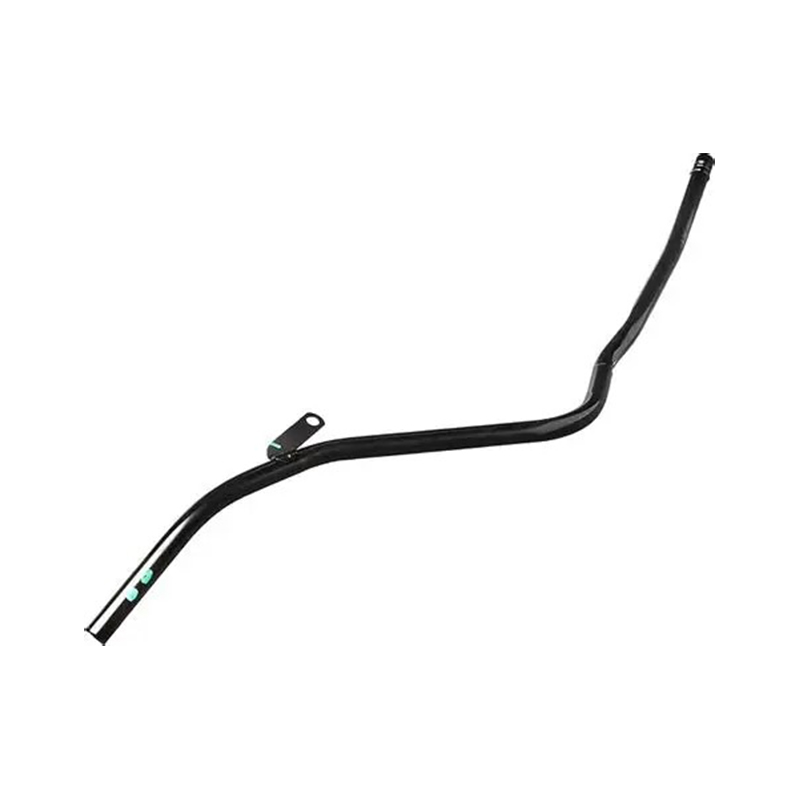
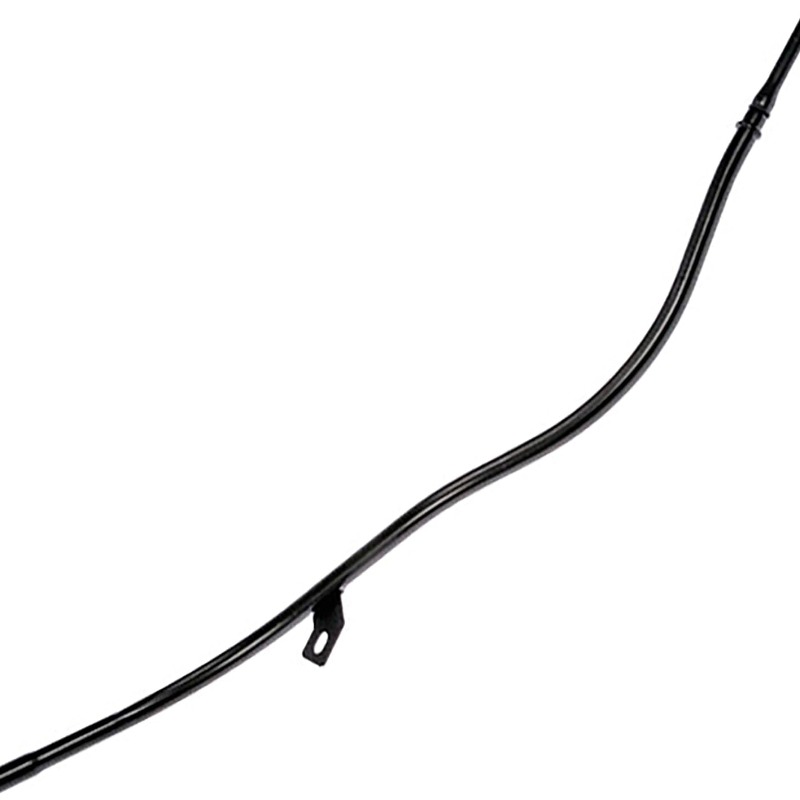
Tube hydroforming shapes a metal tube from the inside by filling it with fluid under high pressure while it is held in a die. The tube expands to take the die contour, which allows complex cross sections, bulges, corrugations and variable diameters that cannot be made by bending alone. A tube hydroforming manufacturer controls pressure, feed and tooling to keep wall thickness safe.
Typical buyers are automotive component makers, bellows and flexible-pipe suppliers and engineering teams looking to combine several pieces into one stronger part. They check material formability, diameter and length limits, maximum pressure capacity, wall thinning, die cost and the supplier's experience with similar shapes.
Ningbo Jiatian has 10 hydraulic internal forming machines of various specifications, with processing lengths up to 1.5 meters and diameters from 10 to 80 mm, plus an 800T hydraulic water expansion machine. Our water expansion corrugated pipe equipment and technology are at an industry-leading level. We accept OEM/ODM projects, develop samples with you and agree MOQ per part once tooling is reviewed.
Development normally starts with a feasibility review of material, expansion ratio and die concept. We then build tooling, run trial samples and measure wall thickness at the critical zones. Test results are shared with you before production begins, so design validation and cost planning are based on real data instead of estimates.
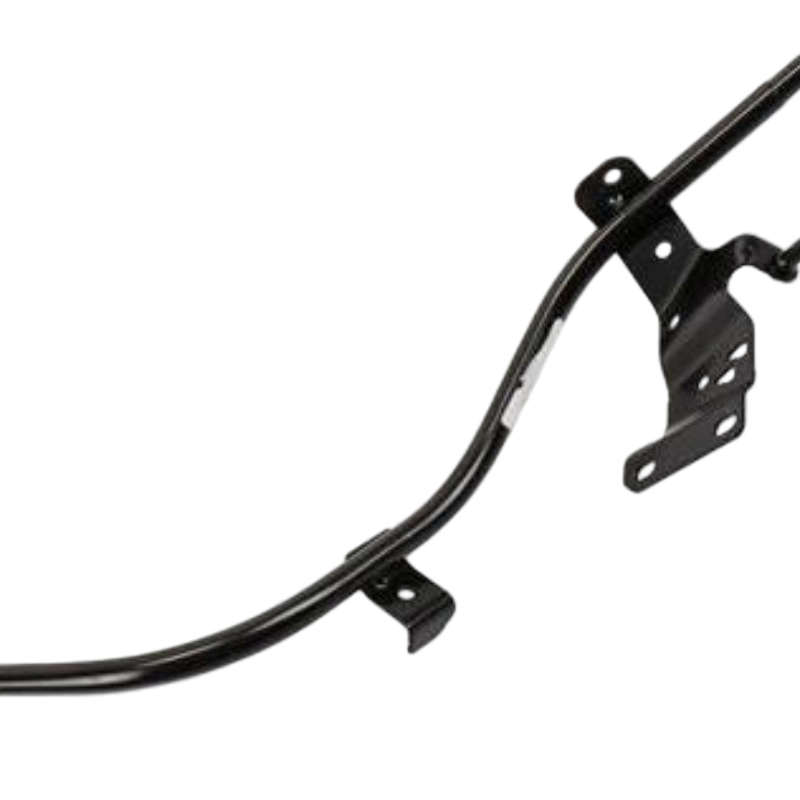
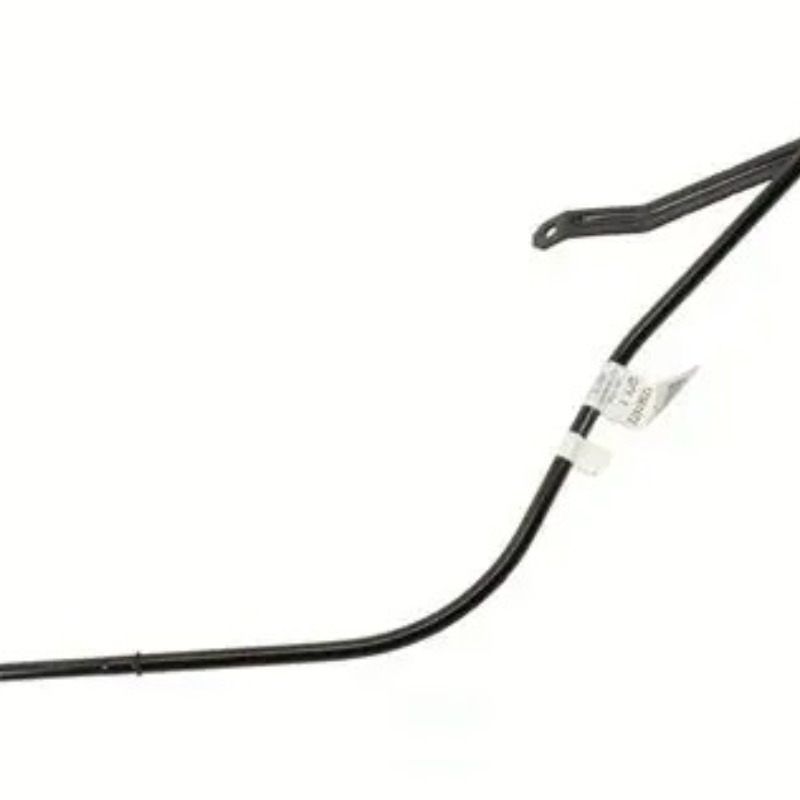
Product Overview
Tube hydroforming places a tube inside a closed die, seals both ends and pumps in high-pressure fluid. Axial feeding pushes material toward the expansion zone so the wall does not thin too much. When the pressure is released, the tube leaves the die with its final contour, often in one operation.
The method is chosen for strength, weight and part consolidation. A hydroformed part can replace several stamped and welded pieces, reducing joints and potential leak paths. For bellows and corrugated pipes, hydraulic expansion creates uniform convolutions that give flexibility in service.
Main points for buyers
- Material and temper: formability determines how far the tube can expand
- Diameter, length and expansion ratio the machine can support
- Die design and cost, which depend on shape complexity
- Wall thinning prediction and test results on samples
- Reliability data for flexible parts such as corrugated pipes and bellows
Hydroforming has higher tooling cost than simple bending but can lower piece cost by reducing welding and assembly steps. When comparing quotes, include die cost, cycle time, material grade and scrap allowance. Ask whether the supplier has run similar shapes, since trial and error on a new design can add hidden cost and delay.
Specification
| Parameter | Specification |
| Process | Hydraulic internal forming and water expansion |
| Forming Machines | 10 hydraulic internal forming machines, various specifications |
| Water Expansion Press | 1 unit, 800T |
| Tube Diameter | 10 to 80 mm |
| Maximum Processing Length | Up to 1.5 m |
| Materials | Stainless steel, carbon steel, aluminum, copper |
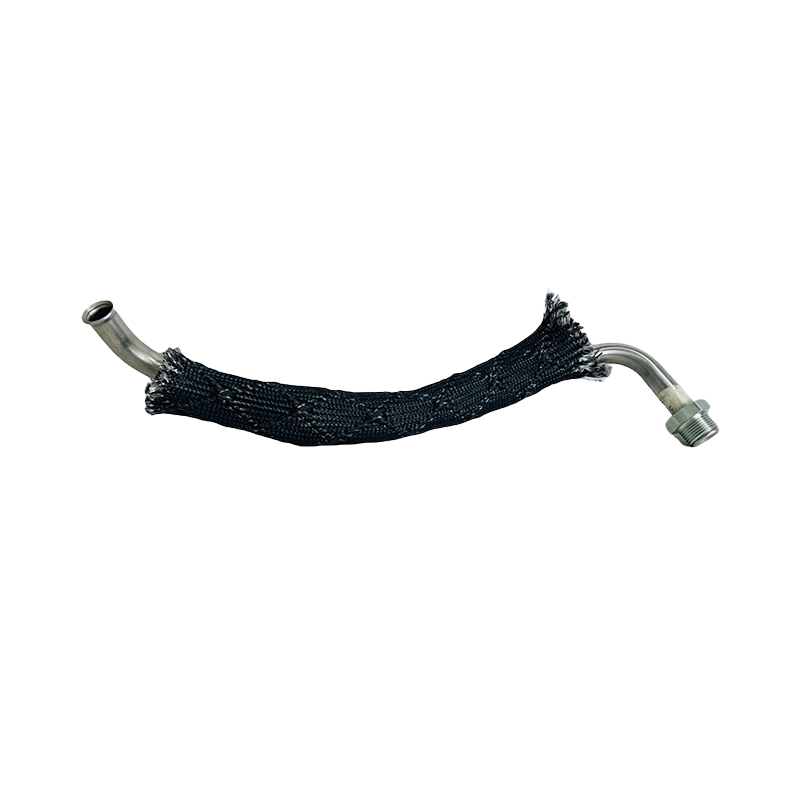
| Typical Products | Corrugated pipes, bellows, shaped tubes |
| Combined Processes | Bending, welding, brazing, machining |
| Testing | Dimensional and laboratory checks |
| Samples and MOQ | Development samples; MOQ by part |
Application
Application Scenarios
| Application Scenarios | Typical Parts | Key Requirement |
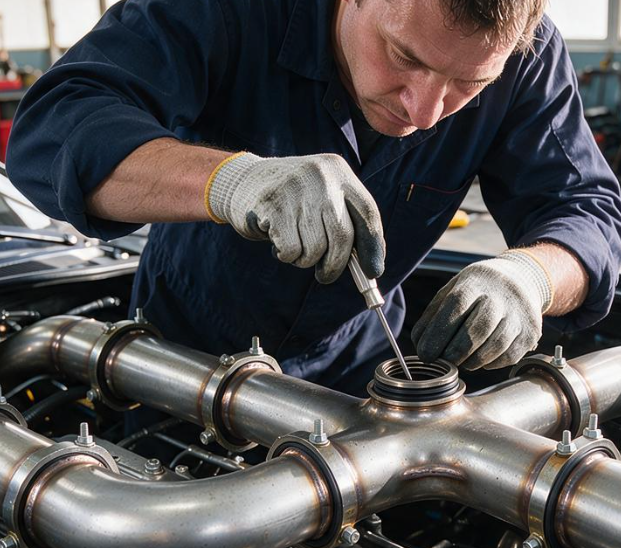
| Exhaust Systems | Flexible and corrugated pipes | Vibration absorption, heat resistance |
| Chassis and Frame | Shaped structural tubes | Strength with lower weight |
| Fluid Lines | Expanded sections, connectors | Leak-free sections |
| Industrial Piping | Bellows and expansion joints | Flexibility and pressure resistance |
Target Customers
Suitable and Unsuitable Uses
Suitable Uses
- Complex contours that bending cannot achieve
- Parts that combine several welded pieces
- Corrugated and bellows-type flexible pipes
Unsuitable Uses
- Simple single bends at low volume
- Materials with very low ductility
- Shapes beyond the machine size range
Selection Guidance
- Confirm the material and its elongation properties.
- Define the expansion ratio and critical wall thickness.
- Review the die concept before investing in tooling.
- Approve development samples and test results.
Usage Notes
- Check die condition and sealing before each run
- Monitor pressure and feed settings on the first article
- Measure wall thickness at the expansion zone
- Inspect for surface cracks and wrinkles
- Clean and dry parts after fluid forming
Advantages
Ten Internal Forming Machines
Machines of various specifications handle different diameters and lengths on the same site. This lets us match each part to the right machine and keep delivery times short.
800T Water Expansion Machine
The 800T press gives the force needed for larger or thicker tubes. Buyers can expand their designs without moving to another supplier.
Industry-Leading Expansion Technology
Our corrugated pipe equipment and process are at an industry-leading level. That reduces trial cycles and improves yield on complex parts.
Own R&D and Processing Center
Engineers can adjust die and pressure parameters in-house. Faster development shortens time to sample approval.
Forming Plus Joining
Welding robots, laser welders and brazing lines complete the assembly after forming. Fewer outside processes cut lead time and risk.
Laboratory Testing
A comprehensive laboratory checks material and formed samples. Test evidence supports your design validation and reduces return risk.
Frequently Asked Questions
- Q: What is the difference between hydroforming and bending?
- A: Bending changes the tube route, while hydroforming changes the cross section using internal pressure. They are often used together.
- Q: What diameters can you hydroform?
- A: Our internal forming machines cover diameters from 10 to 80 mm, with lengths up to 1.5 m.
- Q: Can you make corrugated pipes and bellows?
- A: Yes. Corrugated pipes and bellows are core products, and our water expansion technology is at an industry-leading level.
- Q: Which materials work best for hydroforming?
- A: Ductile materials such as austenitic stainless steel, low-carbon steel and many aluminum alloys form well. We test samples when needed.
- Q: How is wall thinning controlled?
- A: We use axial feed, pressure control and die design to manage thinning, then confirm results by measurement on samples.
- Q: Is hydroforming cost effective for small batches?
- A: Tooling cost is higher than bending, so it suits parts with enough volume or function that justifies a die. We will advise after review.
- Q: Do you offer sample development?
- A: Yes. We develop samples with you, adjusting die and process until the part meets your drawing.
- Q: What is the MOQ?
- A: MOQ depends on tooling and shape. Contact us with your drawing and expected annual volume.